Guide
Japan Rail Pass or point-to-point tickets: the 2026 arithmetic
At ¥50,000 for seven days, the pass loses to ordinary Shinkansen tickets on a Tokyo, Kyoto and Osaka loop by about ¥20,500, roughly breaks even once you add Hiroshima, and only wins clearly when Kanazawa and Hiroshima share one week.

By Spike Travel Editorial Desk, Editorial team
Published Oct 12, 2026. 7 min read
Disclosure: A researched briefing built from JR's official fare tables, pass pages and timetables. No rail operator, pass seller or travel agency was involved, and none saw this copy before publication. Fares were checked on 12 October 2026 and are adult, regular-season prices. Dollar figures use ¥158 to $1, the cross rate implied by that day's ECB reference rates.
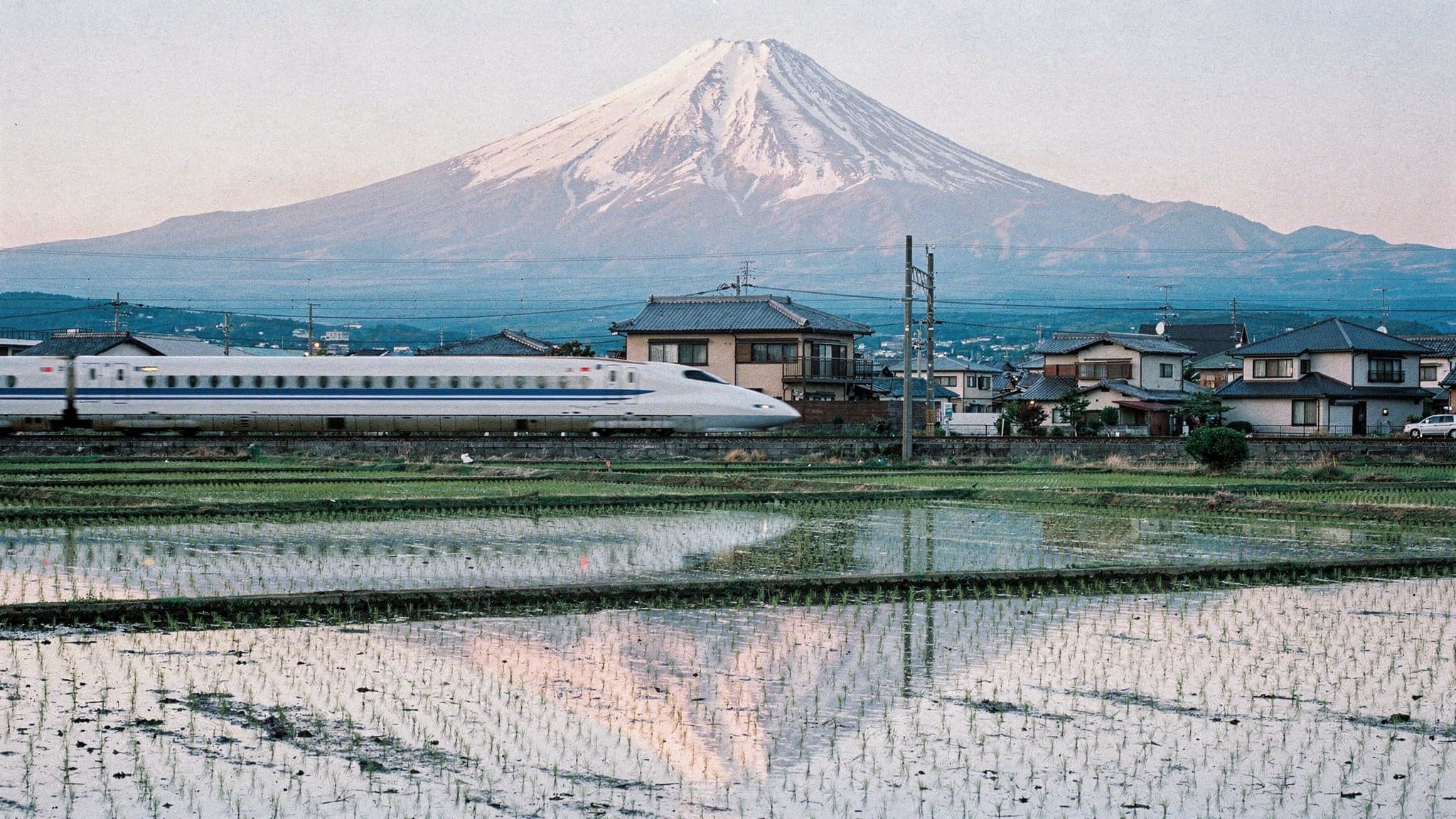
The Japan Rail Pass used to be the first thing people bought for a trip to Japan. At today's prices the decision is a sum, and in 2026 the sum is easy to do. A seven-day pass costs ¥50,000 on the official website, about $316 at roughly ¥158 to the dollar, the rate implied by the European Central Bank's reference rates on 12 October 2026. If the trains you take inside one seven-day window cost less than that as ordinary tickets, buy ordinary tickets.
Below is that arithmetic for the trips most first-timers plan, using official fares.
The numbers that decide it
Start with the pass. On the official site an ordinary-car pass costs ¥50,000 for 7 days, ¥80,000 for 14 and ¥100,000 for 21, and children aged 6 to 11 pay half. Green Car passes cost ¥70,000, ¥110,000 and ¥140,000. Buy through a JR-designated agency abroad and the same passes cost ¥53,000, ¥84,000 and ¥105,000. Seat reservations come free, and the pass also covers JR limited expresses, local JR lines, the Tokyo Monorail and the JR ferry to Miyajima. It is sold only to foreign visitors entering Japan as temporary visitors.
The pass has one big hole. It does not cover the Nozomi, the fastest and most frequent train on the Tokaido and Sanyo Shinkansen. Hikari, Sakura and Kodama trains are included. For a Nozomi you buy a separate ticket every time you board: ¥4,960 between Tokyo and Kyoto or Shin-Osaka, ¥4,170 between Kyoto or Shin-Osaka and Hiroshima, and ¥6,500 between Tokyo and Hiroshima.
Now the tickets you would buy instead. A regular-season reserved seat on the Nozomi costs ¥14,170 from Tokyo to Kyoto and ¥14,720 from Tokyo to Shin-Osaka at the station. The official smartEX service sells the same seats for ¥200 less, works from outside Japan and charges no annual fee. Non-reserved seats cost ¥13,320 and ¥13,870. Reserved prices also follow the calendar: ¥200 less off-peak, ¥200 more at peak and ¥400 more in the busiest weeks, with the swing doubled on journeys that run across two Shinkansen lines, such as Tokyo to Hiroshima.
Speed is the other currency. In JR Central's timetable from 14 March 2026, the 6:00 Nozomi from Tokyo reaches Kyoto at 8:09. The 6:21 Hikari gets in at 9:08. That is 2 hours 9 minutes against 2 hours 47, and pass holders pay the difference on every long leg.
Four common trips, priced
Every total below uses station prices for a regular-season reserved seat on the Nozomi, the train you would book without a pass. Local JR legs are included: the special rapid between Kyoto and Osaka (¥580) and, for Miyajima, the JR line from Hiroshima to Miyajimaguchi (¥420 each way) plus the JR ferry to the island (¥200 each way). Miyajima's ¥100 visitor tax applies with or without a pass, so it is left out. The pass column assumes Hikari and Sakura trains, which the pass covers in full. Dollar figures use ¥158 to $1.
| Round trip from Tokyo | Single tickets | 7-day pass | Cheaper option | Saving |
|---|---|---|---|---|
| Kyoto and Osaka | ¥29,470 | ¥50,000 | Tickets | ¥20,530 (about $130) |
| Kyoto, Hiroshima with Miyajima, Osaka | ¥53,020 | ¥50,000 | Pass, narrowly | ¥3,020 (about $19) |
| Kanazawa, Kyoto, Osaka | ¥37,420 | ¥50,000 | Tickets | ¥12,580 (about $80) |
| Kanazawa, Kyoto, Hiroshima with Miyajima, Osaka | ¥60,970 | ¥50,000 | Pass | ¥10,970 (about $69) |
The rows assume all the long legs fall inside seven consecutive days. Spread them over two weeks and the 14-day pass, at ¥80,000, loses every row.
Tokyo, Kyoto and Osaka
The classic first trip, and the pass loses it by a distance.
- Tokyo to Kyoto, Nozomi: ¥14,170
- Kyoto to Osaka, JR special rapid: ¥580
- Shin-Osaka to Tokyo, Nozomi: ¥14,720
That is ¥29,470 against ¥50,000, and a few JR day trips at a few hundred yen each will not close a gap of ¥20,530. Fly home from Kansai instead of Tokyo and the gap grows: the last leg becomes JR West's HARUKA One-way Ticket for visitors, ¥1,800 from Shin-Osaka to the airport, and the tickets total ¥16,550. Buy tickets. Our Kyoto dossier has the airport options and day trips from there. Booking both Nozomi seats on smartEX saves another ¥400. Hauling a large suitcase? Read the oversized-baggage rule in our Tokyo dossier first, because it applies to pass holders too.
Adding Hiroshima
- Tokyo to Kyoto, Nozomi: ¥14,170
- Kyoto to Hiroshima, Nozomi: ¥11,940 (¥11,740 on smartEX)
- Hiroshima to Miyajima and back, JR train and ferry: ¥1,240
- Hiroshima to Shin-Osaka, Nozomi: ¥10,950 (¥10,750 on smartEX)
- Shin-Osaka to Tokyo, Nozomi: ¥14,720
The tickets total ¥53,020, so the pass saves ¥3,020. That saving assumes you ride Hikari and Sakura, and from Kyoto that can mean changing trains at Shin-Osaka. Add the four Nozomi tickets that would match a ticket buyer's speed (¥18,260) and the pass becomes the dearest option, at ¥68,260. Ride Hikari and Sakura on ordinary tickets instead and they total ¥51,210, leaving the pass just ¥1,210 ahead.
A hybrid beats both. Buy the two Tokaido legs as tickets and cover the middle of the trip with JR West's Kansai-Hiroshima Area Pass, ¥17,000 for five days. It includes reserved seats on the Sanyo Shinkansen between Shin-Osaka and Hiroshima, JR local and rapid trains across Kansai and the Hiroshima area, and the Miyajima ferry. The total comes to ¥45,890, which is ¥4,110 less than the national pass, and you keep the Nozomi for the two longest legs.
Adding Kanazawa
The pass covers the Hokuriku Shinkansen to Kanazawa without a supplement. Since March 2024 the line has continued to Tsuruga, where you change to the Thunderbird limited express for Kyoto and Osaka.
- Tokyo to Kanazawa, Hokuriku Shinkansen: ¥14,400
- Kanazawa to Kyoto, changing at Tsuruga: ¥7,720
- Kyoto to Osaka, JR special rapid: ¥580
- Shin-Osaka to Tokyo, Nozomi: ¥14,720
The Tokyo to Kanazawa figure is JR West's online e-ticket price for a regular-season reserved seat, as charged since the JR East fare revision of 14 March 2026. The total, ¥37,420, beats the pass by ¥12,580. Foreign visitors can trim the Kanazawa leg further with JR West's HOKURIKU One-way Ticket: ¥6,500 between Kyoto and Kanazawa, or ¥8,000 from Osaka, sold through selected travel agencies outside Japan.
Put Kanazawa and Hiroshima in the same week and the answer flips. The full loop, Miyajima included, costs ¥60,970 in tickets, so the pass saves ¥10,970. Even on Hikari and Sakura point to point it would cost ¥59,480. The schedule is tight: one night in Kanazawa, two in Kyoto, one in Hiroshima and two in Osaka, then back to Tokyo on day seven. Slow down and you need the 14-day pass, which no row in the table justifies.
JR West's Hokuriku Arch Pass, ¥35,000 for seven days, covers the Hokuriku Shinkansen from Tokyo to Tsuruga, the Thunderbird and JR lines in Kansai, but not the Tokaido Shinkansen. One way, from Tokyo through Kanazawa and Kyoto to Osaka, the tickets cost ¥22,700, so the Arch Pass only starts to pay if you ride the arch in both directions.
A five-minute test for your own trip
- List every long train leg with its date.
- Price each one in the season your dates fall in: smartEX for the Tokaido and Sanyo lines, JR West's e5489 site for the Hokuriku line.
- Add the JR local rides you would pay for anyway, such as the Kyoto to Osaka hop and the Miyajima ferry.
- Find the seven consecutive days with the most rail spending. If they top ¥50,000, buy the pass. If they fall a few thousand yen short, decide on speed: the pass means Hikari and Sakura, while tickets let you board any Nozomi.
- Buy the pass on the official site. An overseas agency charges ¥3,000 more for the same seven days.
What's good
- One price covers Hikari, Sakura and Kodama trains, with seat reservations at no extra charge
- Also covers JR limited expresses, local JR lines, the Tokyo Monorail and the Miyajima ferry
- Wins clearly on a seven-day loop that takes in both Kanazawa and Hiroshima
- No ticket to buy for each leg: reserve at a station machine, or online if you bought the pass on the official site
What's not
- Costs more than a Tokyo, Kyoto and Osaka round trip on ordinary tickets
- Every Nozomi ride needs its own ticket, ¥4,960 between Tokyo and Kyoto
- Rest days in one city still use up days of the pass
- Not valid on subways or private railways
- Costs ¥53,000 through an overseas agency instead of ¥50,000 online
What nobody tells you about the pass
The seven days run from the start date you choose, and rest days count. Start the pass on the morning you leave Tokyo, not the day you land.
During the biggest holiday peaks every Nozomi seat is reserved, and JR Central warns that non-reserved cars on Hikari and Kodama trains may be overcrowded. Reserve a seat, pass or no pass.
Big suitcases need a booking of their own on the Tokaido and Sanyo lines. Bags whose length, width and height add up to 161 to 250 cm need a seat with an oversized-baggage area, which costs nothing extra if you reserve it. Board without one and you pay ¥1,000.
The pass stops at JR. Subways and private railways charge their own fares, so you still need a Suica or PASMO card in the cities.
Fares are drifting upwards. JR East raised its fares on 14 March 2026, and in July 2026 JR West said it plans its first across-the-board increase since privatisation within five years. Re-run the sums a month before you travel; every figure here is a regular-season adult price checked on 12 October 2026.
Questions people ask
Is the JR Pass worth it for Tokyo, Kyoto and Osaka?
No. A Nozomi round trip from Tokyo to Kyoto and Osaka, with the local hop between them, costs ¥29,470 in regular-season reserved seats. The seven-day pass costs ¥50,000 and would also limit you to the slower Hikari unless you pay extra.
Can I ride the Nozomi with a Japan Rail Pass?
Only with a separate special ticket, bought for each ride: ¥4,960 between Tokyo and Kyoto or Shin-Osaka, ¥4,170 between Kyoto or Shin-Osaka and Hiroshima, and ¥6,500 between Tokyo and Hiroshima. The price is the same for reserved and non-reserved seats.
Where is the JR Pass cheapest to buy?
On the official website, where an ordinary-car pass costs ¥50,000 for seven days. JR-designated agencies outside Japan charge ¥53,000 for the same pass.
Is smartEX cheaper than buying Shinkansen tickets at the station?
By ¥200 per reserved seat on the Tokaido and Sanyo lines, so Tokyo to Kyoto on the Nozomi costs ¥13,970 instead of ¥14,170 in regular season. The service works from outside Japan, charges no annual fee and sells seats up to a year ahead.
Does the JR Pass cover the trip to Kanazawa?
Yes. The Hokuriku Shinkansen and the JR limited expresses beyond Tsuruga are covered, with free seat reservations. Gran Class costs extra.
Sources
Where the facts on this page come from. Dates show when we last checked each one.
- Japan Rail Pass official site: Types and prices (online and overseas-agency prices)accessed Oct 12, 2026
- Japan Rail Pass official site: Use of NOZOMI and MIZUHO trainsaccessed Oct 12, 2026
- Japan Rail Pass official site: NOZOMI MIZUHO Ticket prices for all sections (PDF)accessed Oct 12, 2026
- Japan Rail Pass official site: Scope of validityaccessed Oct 12, 2026
- Japan Rail Pass official site: How to book a reserved seataccessed Oct 12, 2026
- Japan Rail Pass official site: Conditions for useaccessed Oct 12, 2026
- smartEX: smartEX Service fare overviewaccessed Oct 12, 2026
- smartEX: Reserved-seat prices, Nozomi and Hikari, regular season (PDF, as of 1 April 2025)accessed Oct 12, 2026
- smartEX: Non-reserved-seat prices (PDF, as of 1 April 2025)accessed Oct 12, 2026
- JR Central, JR West and JR Kyushu: Express reservation and smartEX price revision, with regular fares (30 May 2023, PDF)accessed Oct 12, 2026
- JR Central: All seats on Nozomi trains are reserved during the 2026 peak periodsaccessed Oct 12, 2026
- JR Central: Seasonal reserved-seat charges, 1 April 2026 to 31 March 2027accessed Oct 12, 2026
- JR Central: Shinkansen timetable from 14 March 2026, westbound (PDF)accessed Oct 12, 2026
- JR Central: Oversized baggage on the Tokaido, Sanyo and Kyushu Shinkansenaccessed Oct 12, 2026
- JR West: Hokuriku Shinkansen e-ticket prices for purchases from 14 March 2026 (Tokyo to Kanazawa ¥14,400)accessed Oct 12, 2026
- JR West: Hokuriku Shinkansen limited express charges, including Tsuruga transfer fares (22 September 2023, PDF)accessed Oct 12, 2026
- JR West: Transfers at Tsuruga Stationaccessed Oct 12, 2026
- JR West: HARUKA One-way Ticket (Kansai Airport to Osaka ¥1,800, to Kyoto ¥2,200)accessed Oct 12, 2026
- JR West: Kansai-Hiroshima Area Passaccessed Oct 12, 2026
- JR West: HOKURIKU One-way Ticketaccessed Oct 12, 2026
- JR West: Hokuriku Arch Passaccessed Oct 12, 2026
- JR West Miyajima Ferry: Fares (Japan Rail Pass accepted; ¥100 visitor tax charged separately)accessed Oct 12, 2026
- NAVITIME: JR fare from Miyajimaguchi to Hiroshima (¥420, fare engine)accessed Oct 12, 2026
- Ekitan: JR fare from Kyoto to Osaka (¥580, fare engine)accessed Oct 12, 2026
- JR East: Fare revision of 14 March 2026 (pamphlet, PDF)accessed Oct 12, 2026
- Mainichi Shimbun: JR West to raise fares within five years, its first across-the-board rise since privatisation (15 July 2026)accessed Oct 12, 2026
- European Central Bank: EUR/JPY reference rate (177.33 on 12 October 2026)accessed Oct 12, 2026
- European Central Bank: EUR/USD reference rate (1.1181 on 12 October 2026)accessed Oct 12, 2026
Tokyo dossier
Fourteen million people, trains that leave on time, and dinner at a counter older than your grandparents.
These links go to the booking sites we would use ourselves. Nothing here is currently sponsored.
Kyoto dossier
A thousand years of capital kept in wood, moss and gravel, and at its best before 8am.
These links go to the booking sites we would use ourselves. Nothing here is currently sponsored.
The Spike, weekly
The destination, the deal and the rule change you need this week.