Morocco, North Africa
Marrakech
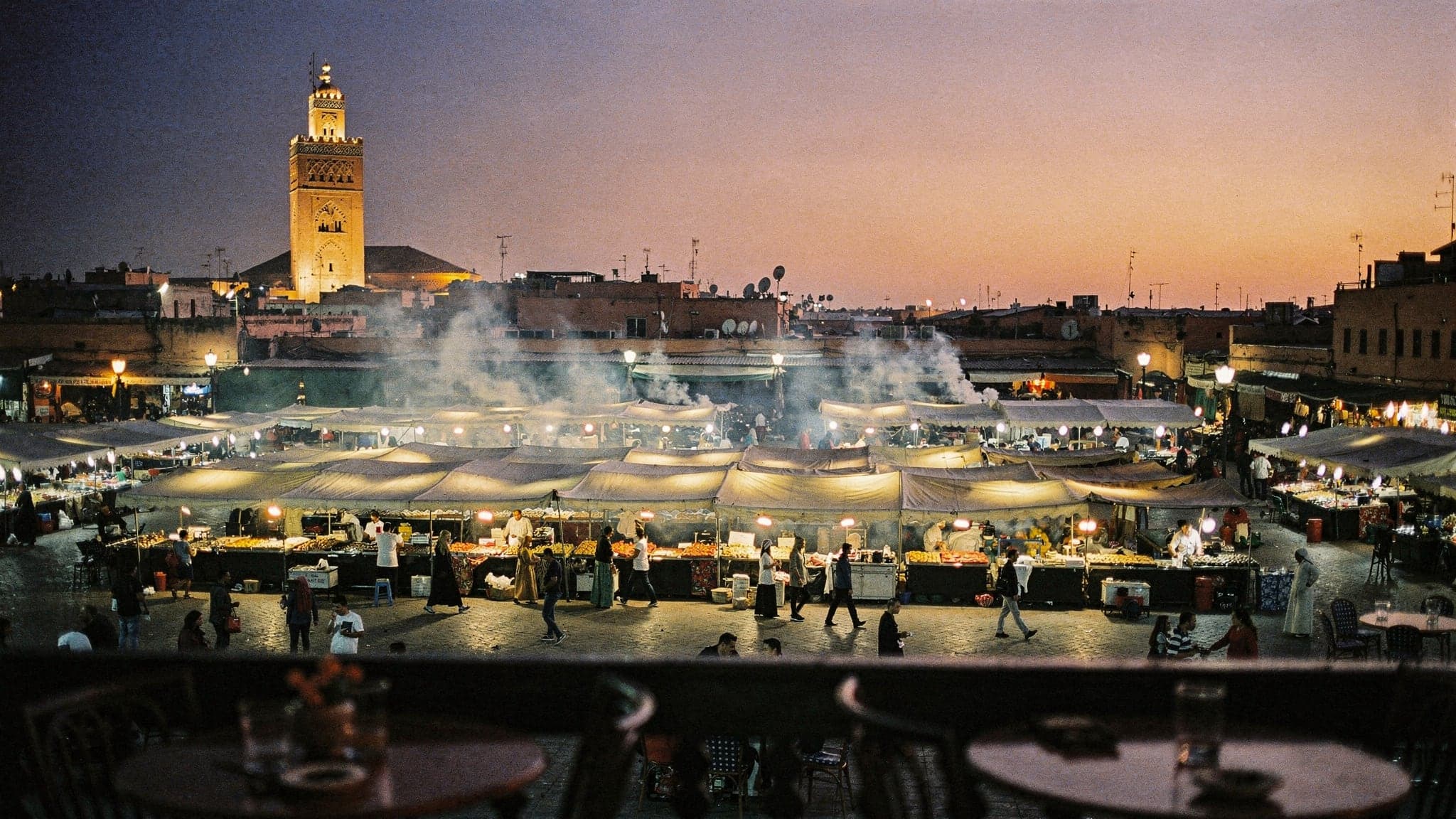
Riad courtyards, a square that becomes an open-air kitchen at dusk, and Atlas snow above the rooftops in winter.
Illustration: Spike Travel (AI-assisted)

By Spike Travel Editorial Desk, Editorial team
Published Oct 12, 2026
Disclosure: A researched briefing compiled from official sources, operator price lists and reporting, checked on 12 October 2026. No hosted travel, comps or free products were involved.
- Best time
- Apr, Oct
- Daily budget
- $40–400
- Safety
- 4/5
- Strongest for
- Culture & history, Food & drink, Romance
Marrakech packs souks, palaces, gardens and an open-air night kitchen inside its red medina walls, with the High Atlas about 90 minutes away. Daily life is cheap and the hustle is relentless. This dossier covers entry rules for five passports, dirham prices dated October 2026, riad etiquette, the scams around Jemaa el-Fna and the best day trips.
Why go
At dusk, Jemaa el-Fna changes shift. The juice sellers and snake charmers of the afternoon make room for rows of food stalls, and smoke from their grills drifts past the minaret of the Koutoubia Mosque. Musicians, storytellers and henna artists work the crowd. UNESCO lists the square's cultural space as intangible heritage, and for a first-time visitor it is also a test of nerve, because everyone seems to want your attention.
Ten minutes away, the noise stops behind a riad door. Most of the medina's old houses face inward, around a courtyard with a fountain or an orange tree, and many now take guests. You eat breakfast on a roof terrace, hear the call to prayer from a dozen minarets, and on clear winter mornings see snow on the High Atlas.
In the souks, leather is still dyed, lanterns punched and cedar carved for ceilings. The Majorelle garden and palaces such as the Bahia are close by, and the mountains and the Atlantic coast are a few hours away.
The lay of the land
Marrakech is two cities. The medina, the walled old town and a UNESCO World Heritage Site since 1985, is a maze of alleys around Jemaa el-Fna, its central square. The Koutoubia's minaret, just west of the square, is your landmark from most of the old city.
North of the square, the souks run towards the Ben Youssef Madrasa. To the north-west is Mouassine, with its fountain and Le Jardin Secret. South of the square, Riad Zitoun leads to the Bahia Palace, the Mellah (the former Jewish quarter), El Badi Palace and the Kasbah, home of the Saadian Tombs.
West of the walls, Guéliz is the French-built new town of boulevards, cafés, galleries and bars, with the train station on its edge. Hivernage, between Guéliz and the medina, is a district of large hotels and clubs. Jardin Majorelle lies north of the medina, a short taxi ride from the square. The Palmeraie, north-east of the city, holds palm groves, villas and resorts.
Cars reach only the medina's main roads, so taxis drop you at a gate or the nearest through-road. From there, you walk.
Areas at a glance
Medina (Mouassine and Bab Doukkala)$$$$
Riad-lined lanes near the souks, the Mouassine fountain and Le Jardin Secret, a step away from the main tourist flow.
Best for: First-timers who want riad life
Medina (Kasbah and Mellah)$$$$
The southern medina around the Saadian Tombs, the Bahia Palace and the former Jewish quarter; calmer at night and easier for taxis.
Best for: Sightseers and families
Riad Zitoun$$$$
Budget hotels and cafés a few minutes south of Jemaa el-Fna; lively and noisy until late.
Best for: Budget travellers and night owls
Guéliz$$$$
The French-built new town of boulevards, galleries, cafés and bars, ten minutes by taxi from the medina.
Best for: Restaurants, nightlife and a break from the hustle
Hivernage$$$$
Wide avenues of large hotels, pools and clubs between Guéliz and the medina walls.
Best for: Resort-style stays
Palmeraie$$$$
Villas and resort hotels among palm groves north-east of the city; you need a car or shuttle.
Best for: Pool days and families
When to go
Marrakech is a spring and autumn city. Average highs run from 23°C to 29°C from March to May and in October and November, according to World Meteorological Organization 1991–2020 normals for the Menara airport station, with cool nights and little rain. These are also the busiest months, along with Christmas and New Year, when riads fill and prices peak.
Summer is fierce. July averages a high of 38°C and August 37°C, and heatwaves go well beyond that, so sightseeing happens before 11:00 and after 17:00. Riad rates drop, and a plunge pool becomes the most valuable amenity in town.
Winter days are mild, around 19–20°C, but nights fall to 6°C and many riads are poorly heated. Pack layers and ask if your room has heating. Snow usually sits on the Atlas through the winter, which is when the rooftop view is best.
Ramadan 2027 is expected to begin around 8 February and last 29 or 30 days, with Eid al-Fitr around 9–10 March. Morocco confirms the dates by moon sighting, so they can shift by a day. During the month many medina cafés close in daylight, monuments shorten their hours (the Ben Youssef Madrasa closes at 16:30), and the streets fill after the sunset meal. Morocco also normally puts its clocks back an hour, from GMT+1 to GMT, for Ramadan. Eid al-Adha follows around 16–17 May 2027, when many businesses close for several days and transport fills up.
The Marrakech International Film Festival is held in late November; the 2026 edition runs from 20 to 28 November.
Marrakech month by month
Best: Apr, Oct. Bars show our 1–5 rating; numbers are average daily highs in °C. The outlined bar is this month.
Month-by-month table
| Month | Rating | High / low °C | Rain mm | Note |
|---|---|---|---|---|
| January | 3/5 | 19 / 6 | 25 | Mild days, cold nights in unheated riads; snow on the Atlas |
| February | 3/5 | 21 / 8 | 26 | Ramadan expected to begin around 8 February 2027 |
| March | 4/5 | 24 / 10 | 35 | Eid al-Fitr expected around 9–10 March 2027; the wettest month |
| April | 5/5 | 26 / 12 | 26 | Warm days and green Atlas foothills; peak spring season |
| May | 4/5 | 29 / 15 | 11 | Getting hot; Eid al-Adha expected around 16–17 May 2027 |
| June | 2/5 | 34 / 18 | 3 | Highs above 33°C; sightsee in the mornings and evenings |
| July | 1/5 | 38 / 21 | 2 | Hottest month; heatwaves push well past the average |
| August | 1/5 | 37 / 21 | 5 | Extreme heat; early starts and a riad pool are essential |
| September | 3/5 | 33 / 19 | 15 | Heat eases towards the end of the month |
| October | 5/5 | 29 / 16 | 19 | Warm days, cool nights; ideal for Atlas walks |
| November | 4/5 | 23 / 11 | 30 | Mild; Marrakech International Film Festival (20–28 November in 2026) |
| December | 3/5 | 20 / 7 | 24 | Christmas and New Year price spike; chilly nights |
October to early December and March to May bring days of 20–29°C and cool nights, the best conditions for the medina and for day trips into the Atlas. June to September is very hot, with July averaging 38°C. Ramadan is expected to run from about 8 February to 9 March 2027, which changes opening hours and the rhythm of the city.
What it costs
On 12 October 2026 a US dollar bought about 9.7 dirhams. The dirham is pegged to a basket of the euro and the dollar, so prices hold steadier than in high-inflation destinations.
Everyday life is cheap if you eat where Moroccans eat. Crowd-sourced Numbeo data puts a snack-bar meal at around 35 MAD ($3.60) and a city bus ride at 4 MAD, and a petit taxi across town runs 10–30 MAD on the meter. A three-course dinner for two in a mid-range restaurant is about 300 MAD ($31) on the same data, though riad dinners and the better Guéliz restaurants charge more.
Visitor prices are higher. Jardin Majorelle charges 170 MAD ($17.50) for the garden alone, the Bahia Palace and the Saadian Tombs 100 MAD each, and the Ben Youssef Madrasa 50 MAD. A beer in a licensed bar costs around 65 MAD, more than a cheap lunch. Compare what day trips include before you pay; they are sold on every corner.
Haggling is normal in the souks for anything without a price tag. Decide what an item is worth to you before you ask, start well below the first quote, keep it friendly and walk away if you are not close. Café menus, metered taxis, monuments and supermarkets have fixed prices. Don't start bargaining for something you have no intention of buying.
Loading tool…
What a day costs
Shoestring
$40
per person, per day, no flights
Mid-range
$110
per person, per day, no flights
Luxury
$400
per person, per day, no flights
Shoestring is a hostel dorm, stall and snack-bar meals, walking and buses, with one paid monument a day. Mid-range buys a double in a well-reviewed riad shared by two, a garden or museum each day, dinners in riads or Guéliz and a guided day trip. Luxury covers a top riad or five-star hotel, spa hammams and a private driver; the palace hotels cost far more. Prices dated 12 October 2026, at about 9.7 dirhams to the US dollar.
| Item | Local price | ≈ USD | Note |
|---|---|---|---|
| Mint tea or coffee in a café | 15–25 MAD | $2 | Numbeo's crowd-sourced cappuccino median is 22 MAD; terraces over Jemaa el-Fna charge more |
| Local draught beer (pint) in a licensed bar | about 65 MAD | $6.7 | Numbeo crowd-sourced average |
| Snack-bar or street-food meal | about 35 MAD | $3.6 | Numbeo median; grilled plates at Jemaa el-Fna stalls cost more, so agree prices first |
| Mid-range dinner for two (three courses, no drinks) | 300–500 MAD | $41 | Numbeo median is 300 MAD; riad dinners and Guéliz restaurants run higher |
| City bus ride | 4 MAD | $0.4 | Crowd-sourced figure; pay the driver in coins |
| Airport bus L19 to Jemaa el-Fna | 30 MAD one way, 50 MAD return | $3.1 | Pay the driver |
| Taxi from the airport to the medina | 100–150 MAD by day | $13 | Agree the fare at the rank before you get in; more at night |
| Petit taxi across town | 10–30 MAD on the meter | $2 | 50% more at night |
| Hostel dorm bed | about 70–180 MAD | $13 | Hostelworld medina listings, October 2026 |
| Riad or 3-star double | about 650–750 MAD | $72 | Riad Hotel Sherazade quoted $65–75 for two in early October 2026 |
| Jardin Majorelle ticket | 170 MAD | $17.5 | Garden only; sold online only; museums extra |
| Bahia Palace ticket | 100 MAD | $10.3 | Foreign adults; cash at the gate |
| SIM card with data | 20–30 MAD, then about 10 MAD per GB | $13 | Roughly 125 MAD for a SIM and 10 GB; bring your passport |
| Supratours coach to Essaouira | 140 MAD | $14.4 | About three hours each way |
Prices verified Oct 12, 2026. Exchange rates move; treat USD as a guide.
Build a budget for MarrakechGetting there and around
Marrakech Menara Airport (RAK) is about 6 km from the medina. Bus L19 runs from outside the terminal to Jemaa el-Fna for 30 MAD one way or 50 MAD return. Petit taxis at the rank ask roughly 100–150 MAD by day and more at night; agree the fare before you get in. Many riads arrange a pickup and send someone to walk you in from the nearest drivable point, which is worth paying for on a first night.
Trains from Casablanca take about three hours to the ONCF station in Guéliz, with connections from Rabat, Fes and Tangier.
Inside the medina, walk. Download an offline map before you arrive, since GPS can lag in the narrowest alleys and street signs are patchy. Keep right and listen for scooters, which share the lanes with pedestrians, donkey carts and handcarts. If you are lost, ask in a shop rather than accepting the first volunteer guide.
Beige petit taxis serve the city and carry up to three passengers. They are required to run the meter, which comes to 10–30 MAD for most trips plus 50% at night, but many drivers refuse, so agree a price first if they do. Ride-hail apps work in Marrakech, but the UK government warns that many of their drivers are unregistered and uninsured. For day trips, use a grand taxi, a driver booked through your riad or an organised tour.
Arriving and moving around
- RAKMarrakech Menara Airport. To the centre: About 6 km from the medina: bus L19 to Jemaa el-Fna for 30 MAD (50 MAD return); petit taxi roughly 100–150 MAD by day, 15–25 minutes; many riads arrange pickups to the nearest gate
The medina is a walking city. Its alleys are too narrow for cars but not for scooters, donkey carts and handcarts, so keep right and listen. Download an offline map before you arrive, as GPS can lag in the narrowest lanes and street signs are patchy. Beige petit taxis carry up to three passengers within the city and are required to run the meter (10–30 MAD for most trips, 50% more at night); many drivers refuse, so agree a price before you get in. Grand taxis and riad-booked drivers handle day trips. Alsa city buses cost a few dirhams, and bus L19 links the airport with Jemaa el-Fna for 30 MAD. Ride-hail apps operate, but the UK government warns that many of their drivers are unregistered and uninsured. Trains leave the ONCF station in Guéliz for Casablanca in about three hours, and Supratours and CTM coaches reach Essaouira in about three hours.
Where to stay
Stay in a riad at least once. The best are restored townhouses with rooms around a courtyard and a roof terrace, run by a small staff who will book drivers, guides and hammams for you. Expect thin walls, steep stairs and little daylight in ground-floor rooms. Ask for photos of the room you are booking, and check for heating in winter and air-conditioning in summer.
Riad etiquette is simple. The door stays locked, so knock or ring and wait. Staff usually greet you with mint tea, and breakfast is normally included. Tip at the end of your stay rather than for each service. Alcohol depends on the licence: some riads serve it, many do not, so ask before you bring your own. Unmarried foreign couples can generally share a room; the law against unmarried couples sharing applies to Moroccan nationals, which can include a Moroccan partner.
Mouassine and the lanes towards Bab Doukkala put you close to the souks but off the main tourist flow. The Kasbah and the streets around the Bahia Palace are calmer at night and easier for taxis. Riad Zitoun, just south of the square, has the cheapest rooms and the most noise. Guéliz suits travellers who want restaurants, bars, easy taxis and a hotel with a lift. Hivernage and the Palmeraie are for pools and resorts, with a taxi ride to everything else.
Be wary of riads described as "near the square" that turn out to be a long walk through unlit alleys. Read recent reviews for noise, and check the map before you book.
Places we'd book
- Check rates
Equity Point MarrakechBudgetMedina
A hostel in the heart of the medina with dorms and private rooms that also serves Moroccan meals.
- Check rates
Riad Hotel SherazadeMid-rangeRiad Zitoun el Kdim, Medina
A long-running riad hotel two minutes' walk from Jemaa el-Fna, with a rooftop terrace facing the Koutoubia; doubles quoted at about $65–75 in October 2026.
- Check rates
Riad Dar AnikaMid-rangeMedina
A boutique riad at the entrance to the old souk, a short walk from Jemaa el-Fna.
- Check rates
Riad KnizaLuxuryMedina
An 18th-century house turned luxury bed and breakfast, with a pool, sauna and steam bath.
- Check rates
El FennSomething differentMedina
Vanessa Branson's art-filled cluster of linked riads, with pools and one of the medina's best-known roof terraces.
- Check rates
Royal Mansour MarrakechLuxuryMedina (Bab Jdid)
Commissioned by King Mohammed VI and opened in 2010, with guests housed in private riads instead of rooms.
- Check rates
La MamouniaLuxuryBab Jdid
Marrakech's grand hotel since 1923, set in walled gardens beside the medina ramparts.
What to do
Spend your first evening on Jemaa el-Fna. Arrive before sunset, take a terrace table at Café de France or another café overlooking the square, and watch the food stalls set up below. Then walk among them for grilled meats, harira, snail soup and fried fish. Confirm what each plate costs before you sit down, and whether the bread and olives are extra.
Mornings belong to the monuments, which fill with tour groups by mid-morning. The Ben Youssef Madrasa (50 MAD, from 09:00) is a 16th-century Quranic school whose marble courtyard is wrapped in carved cedar and stucco, with students' cells upstairs. The Bahia Palace (100 MAD) is a late-19th-century vizier's palace of painted ceilings and tiled courtyards. The Saadian Tombs (100 MAD) hold 16th-century royal burials; the main chamber is viewed through a doorway, so queues build quickly. El Badi Palace, the ruined palace of the Saadian sultan Ahmad al-Mansur, is now vast empty courtyards with storks nesting on the walls.
Go to Jardin Majorelle at opening. The cobalt-blue villa and cactus garden were created by the painter Jacques Majorelle and later bought by Yves Saint Laurent and Pierre Bergé, and a Berber arts museum now fills the villa. Tickets are sold only online, for timed slots, and the Yves Saint Laurent museum next door costs extra and closes on Wednesdays.
North of the square, the souks are loosely grouped by trade, from leather and metal lanterns to textiles, spices and woodwork. Go in the morning, when it is cooler and calmer. For a hammam, a neighbourhood public bathhouse costs little and is the real thing; bring black soap, a kessa scrubbing glove and a towel, or book a spa hammam in a hotel or riad for a gentler version.
Essaouira, a whitewashed Atlantic port with a UNESCO-listed medina, is about three hours away by coach; stay a night if you can, since a day trip spends six hours on the road. The High Atlas is closer. Imlil, about 90 minutes south, is the trailhead for Toubkal, at 4,167 m the highest peak in North Africa, and a base for walks between Amazigh villages. The 2023 earthquake, which killed almost 3,000 people, hit these valleys hard. Trekking has resumed, and local guides and guesthouses depend on visitors. A licensed guide is mandatory on the Toubkal trail, checked at police checkpoints, and costs around 500–800 MAD a day. Closer still, the Agafay desert is a stony plateau with Atlas views, sold as sunset dinners, camel rides and quad tours.
The shortlist
Jemaa el-Fna at duskExperience
The main square changes shift at sunset, when rows of numbered food stalls fire up beside the musicians, storytellers and henna artists. UNESCO lists its cultural space as intangible heritage.
Free; arrive before sunset and watch from a café terrace first; at the stalls, confirm each plate's price and whether bread and olives are extra
Jardin Majorelle and the Musée Yves Saint LaurentSee
Jacques Majorelle's cobalt-blue villa and cactus garden, later owned by Yves Saint Laurent and Pierre Bergé, with a Berber arts museum inside and the YSL museum next door.
Garden 170 MAD, sold online only for timed entry on the official site; opens daily at 08:00; the YSL museum costs extra and is closed on Wednesdays
Bahia PalaceSee
A late-19th-century vizier's palace of courtyards, painted cedar ceilings and zellige tilework, built to impress and still the medina's showpiece interior.
100 MAD for foreign adults, cash at the gate; go at opening to beat the tour groups
Book ticketsBen Youssef MadrasaSee
A 16th-century Quranic school whose marble courtyard is framed by carved cedar and stucco, with the students' cells on the floor above.
50 MAD for foreign adults; daily 09:00–19:00, 09:00–16:30 during Ramadan
Book ticketsSaadian TombsSee
Sixteenth-century royal tombs in the Kasbah, decorated with marble, carved cedar and gilded stucco, sealed off for centuries and rediscovered in 1917.
100 MAD; the main chamber is viewed through a doorway, so queues build quickly; go early
El Badi PalaceSee
The ruined palace of the Saadian sultan Ahmad al-Mansur: vast empty courtyards, sunken gardens and storks nesting on the walls.
100 MAD in cash; little shade, so go early or late in the day
Book ticketsThe souksDo
North of the square, the covered market lanes are loosely grouped by trade, from leather and metal lanterns to textiles, spices and woodwork, with workshops in the side alleys.
Free to wander; mornings are cooler and calmer; haggle only for things you want
A neighbourhood hammamExperience
Public bathhouses are cheap and local, with a steam room and a vigorous scrub. Spa hammams in hotels and riads offer a gentler version of the same ritual.
Bring black soap, a kessa glove and a towel to a public hammam; book spa hammams a day ahead
EssaouiraDay trip
A whitewashed Atlantic port with a UNESCO-listed medina, a working fishing harbour and a long beach, a gentler counterpoint to Marrakech.
Supratours or CTM coach, about 3 hours and 140 MAD each way; stay a night if you can
Book ticketsImlil and the High AtlasDay trip
Imlil sits below Toubkal, North Africa's highest peak, in valleys of walnut trees and terraced fields. The 2023 earthquake hit the area hard, and local guides and guesthouses depend on visitors.
About 90 minutes each way by grand taxi or driver; a licensed guide is mandatory on the Toubkal trail (around 500–800 MAD a day); bring warm layers November–March
Book ticketsAgafay desertDay trip
A stony plateau less than an hour from the city, with views to the Atlas, sold as sunset dinners, camel rides and quad tours from desert camps.
Mostly sold as half-day packages; check what the price includes and expect rocky hills rather than sand dunes
Book tickets
Eat and drink
Marrakech's signature dish is tanjia: beef or lamb sealed in a tall clay pot with garlic, cumin and preserved lemon, then slow-cooked in the embers of a hammam furnace. The best-known place to try it, along with mechoui, pit-roasted lamb sold by weight, is Chez Lamine Hadj Mustapha in Souk Ablouh, the lane of mechoui stalls just off Jemaa el-Fna. Go at lunchtime.
For a sit-down Moroccan dinner, Al Fassia in Guéliz has been run by women since 1987 and is known for pastilla, the sweet-savoury pie of pigeon or chicken, almonds and cinnamon. Book ahead.
Street food covers the rest of the day. Breakfast stalls sell msemen, square flaky pancakes, with honey or amlou, a spread of argan oil, almonds and honey. On the square, harira, the tomato, lentil and chickpea soup that breaks the fast in Ramadan, is ladled out beside bowls of snail soup. Pâtisserie des Princes, a few minutes from the square, is a long-standing stop for French and Moroccan pastries.
Mint tea, green tea brewed with fresh mint and plenty of sugar, is poured from a height to raise a foam. Accepting a glass in a shop is hospitality, with no obligation to buy. If you share a tagine from a communal dish, eat from the section in front of you, using bread and your right hand.
Alcohol is legal but limited to licensed venues: hotel bars, some riads, restaurants and bars in Guéliz and Hivernage, and supermarket alcohol sections. Drinking in the street is illegal, and the UK government warns of methanol-tainted drinks in Morocco. During Ramadan, supermarket alcohol sections typically close for the whole month, often from a few days before, while hotel bars generally keep serving non-Muslim guests.
To learn the dishes yourself, Amal, a non-profit that trains women from difficult backgrounds as cooks, runs cooking classes in the city.
Order this
Tanjia marrakchia
Beef or lamb sealed in a tall clay pot with garlic, cumin and preserved lemon and slow-cooked in the embers of a hammam furnace.
Try it at: Chez Lamine Hadj Mustapha in Souk Ablouh, just off Jemaa el-Fna, from midday.
Mechoui
Whole lamb roasted in a pit until it falls apart, sold by weight with bread, cumin and salt.
Try it at: The mechoui stalls of Souk Ablouh, including Chez Lamine Hadj Mustapha.
Pastilla
Flaky pastry filled with pigeon or chicken, almonds and cinnamon, dusted with icing sugar.
Try it at: Al Fassia in Guéliz, run by women since 1987.
Harira
Tomato, lentil and chickpea soup that breaks the fast in Ramadan and is sold all year.
Try it at: Jemaa el-Fna stalls and neighbourhood snack bars.
Msemen with amlou
Square, flaky griddle pancakes served with honey or amlou, a spread of argan oil, almonds and honey.
Try it at: Morning stalls in the souks and riad breakfasts.
Snail soup
Snails in a peppery, herb-spiced broth ladled from steaming pots, a local evening snack.
Try it at: The snail stalls on Jemaa el-Fna after dark.
Mint tea
Green tea brewed with fresh mint and plenty of sugar, poured from a height to raise a foam.
Try it at: Everywhere; Café de France for the view over Jemaa el-Fna.
Practicalities
Money and cards. Cash matters in the medina, as above. ATMs cluster in Guéliz and around Jemaa el-Fna.
Data. Maroc Telecom, Orange and inwi sell SIM cards at the airport and in town for 20–30 MAD, and data costs roughly 10 MAD per gigabyte. Take your passport to register the SIM.
Water and power. Drink bottled or filtered water. Sockets are types C and E at 220 V, 50 Hz.
Time. Morocco keeps GMT+1 for most of the year but normally switches to GMT for Ramadan, so double-check pickup times in February and March 2027.
Safety specifics. Pickpocketing and bag-snatching happen in the souks and on the square. Credit card fraud and switched goods are reported, so watch your card and your purchase as it is wrapped. Women may receive unwanted attention, especially when alone, and the UK government suggests loose clothing that covers arms, legs and chest. Morocco has zero tolerance for drugs, including cannabis, whatever you are offered in the medina. Ask before photographing people, and don't fly a drone without civil aviation permission.
Dress and religion. Cover shoulders and knees in the medina, which also keeps the sun off. Non-Muslims cannot enter most working mosques, including the Koutoubia. The Ben Youssef Madrasa, a former school, is open to all.
LGBTQ+ travellers. Same-sex relations are illegal in Morocco, and showing affection in public can lead to prosecution. The UK government warns that meeting people through dating apps carries legal, safety and privacy risks.
Accessibility. The medina is hard going, with uneven paving, steps, scooters and very few ramps, and most riads have stairs and no lift. Hotels in Guéliz and Hivernage are the realistic choice for wheelchair users.
Phrases. Salam alaykum (hello). Shukran (thank you). La, shukran (no, thank you). Bshhal? (how much?). French is widely spoken, so bonjour and merci work too.
Entry rules by passport
| Passport | Rule | Max stay | Notes | Checked |
|---|---|---|---|---|
| United States | Visa-free | 90 days | No visa for visits of 90 days or less. The State Department advises at least six months' passport validity. Make sure the border officer stamps your passport on arrival. | Oct 12, 2026 |
| United Kingdom | Visa-free | 90 days | Your passport must be valid for at least 3 months from arrival. Check you get an entry stamp: travellers without one have had trouble leaving. Extensions beyond 90 days are requested at a police station. | Oct 12, 2026 |
| EU/Schengen | Visa-free | 90 days | Nationals of all EU and Schengen states are exempt. A passport is compulsory, including on package tours, so national ID cards will not do. Carry a return ticket and proof of funds; validity rules vary by issuing country (France asks for validity covering the whole stay). | Oct 12, 2026 |
| Canada | Visa-free | 90 days | No tourist visa for stays of less than 90 days. Your passport must be valid for at least six months beyond the date you expect to leave Morocco. | Oct 12, 2026 |
| Australia | Visa-free | 90 days | Smartraveller says Australians generally don't need a visa for stays of less than 90 days and warns that entry conditions can change at short notice. | Oct 12, 2026 |
Entry rules change without notice. Confirm with the official source linked in the Checked column before you travel.
Safety: 4/5
Violent crime against visitors is rare in Marrakech, but low-level hassle is constant: touts, unofficial guides who steer you to shops, and inflated prices for anything without a price tag. Pickpocketing and bag-snatching happen in the souks and on Jemaa el-Fna. The US rates Morocco Level 2 (exercise increased caution) because of terrorism, and Canada advises a high degree of caution for the same reason. Women may receive unwanted attention, especially when travelling alone. Drinks containing methanol have caused deaths in Morocco, so drink only in licensed venues.
- Unofficial guides who offer to walk you to the square or your riad, then demand money or lead you into a shop; official guides carry a badge.
- The redirect: 'that street is closed', 'the square is this way' or 'the Berber market is open today only', ending in a relative's shop.
- Tannery tours offered by strangers that end with a demand for a large tip and a hard sell of leather.
- Henna artists who take your hand and start before you agree, then ask for a large sum.
- Snake charmers and monkey handlers who expect payment, sometimes aggressively, for any photo.
- Petit taxis that refuse the meter, especially from the airport and at night.
- Majorelle tickets sold on unofficial websites, which the garden does not honour.
Fast facts
- Currency
- Moroccan dirham (MAD)
- Languages
- Moroccan Arabic (Darija), Tamazight, French
- Plugs
- Type C, E, 220 V, 50 Hz
- Time zone
- Casablanca (GMT+0)
- Tap water
- Drink bottled or filtered
- Tipping
- Round up in cafés, leave about 10% in restaurants, and keep 10–20 MAD for porters, guides and parking attendants.
- Driving
- On the right
- Emergency
- 112 from a mobile; police 19 or 190; ambulance and fire 15 or 150; gendarmerie 177
- Dialing code
- +212
- Safety
- 4/5
What nobody tells you
The hustle is constant, and most of it is harmless. "Where are you from, my friend?" opens a sales pitch. A polite "la, shukran" and a steady walking pace end most approaches.
The redirect is the classic trick. Someone tells you the street is closed or the square is the other way, and you end up in a relative's shop or at the tanneries, where a free tour ends with a demand for a large tip.
On the square, anyone who puts a monkey on your shoulder, drapes a snake on you or starts painting henna on your hand expects payment, sometimes aggressively. Agree any price first, or keep walking. The Barbary macaques used for photos are an endangered species, so skip them.
Heat is a health issue from June to September, with July and August highs averaging 37–38°C. Plan sights for early mornings and evenings, and drink more water than you think you need.
Riads can be cold. Stone walls and open courtyards make January nights, which average 6°C, feel chilly indoors, so ask for a room with a heater.
Majorelle is crowded even with timed tickets, and its paths are narrow. The Bahia Palace and the Saadian Tombs fill with tour groups from mid-morning, so start early.
Insider tips
- Ask your riad to meet you at the nearest drivable point on your first night; finding a riad alone after dark is how many visitors end up paying a self-appointed guide.
- Buy Majorelle tickets a day ahead on the official site only; the garden does not honour tickets from unauthorised websites.
- Say 'compteur, s'il vous plaît' as you get into a petit taxi, and if the driver refuses, agree the fare before moving or take the next cab.
- Do the monuments at opening and the souks before lunch, then retreat to the riad for the hottest hours.
- Carry 20 and 50 MAD notes for taxis and tips and coins for buses; drivers and stallholders often claim to have no change.
- At the Jemaa el-Fna stalls, ask whether bread, olives and dips are included before you eat them.
- Outside Ramadan, supermarket alcohol sections in Guéliz sell beer and wine for far less than hotel bars charge.
- Book Atlas guides through your riad or a registered agency; on the Toubkal trail a licensed guide is checked at police checkpoints.
Skip it
- Tannery tours offered by strangers near Bab Debbagh, which end with a demand for a large tip and a hard sell in a leather shop.
- Photos with chained Barbary macaques or snake charmers on Jemaa el-Fna; the macaques are an endangered species and the handlers demand payment.
- Agafay packages if you are expecting dunes: it is a stony plateau, fine for a sunset dinner and nothing like the Sahara.
- Midday sightseeing from June to September, when average highs run from 33°C to 38°C.
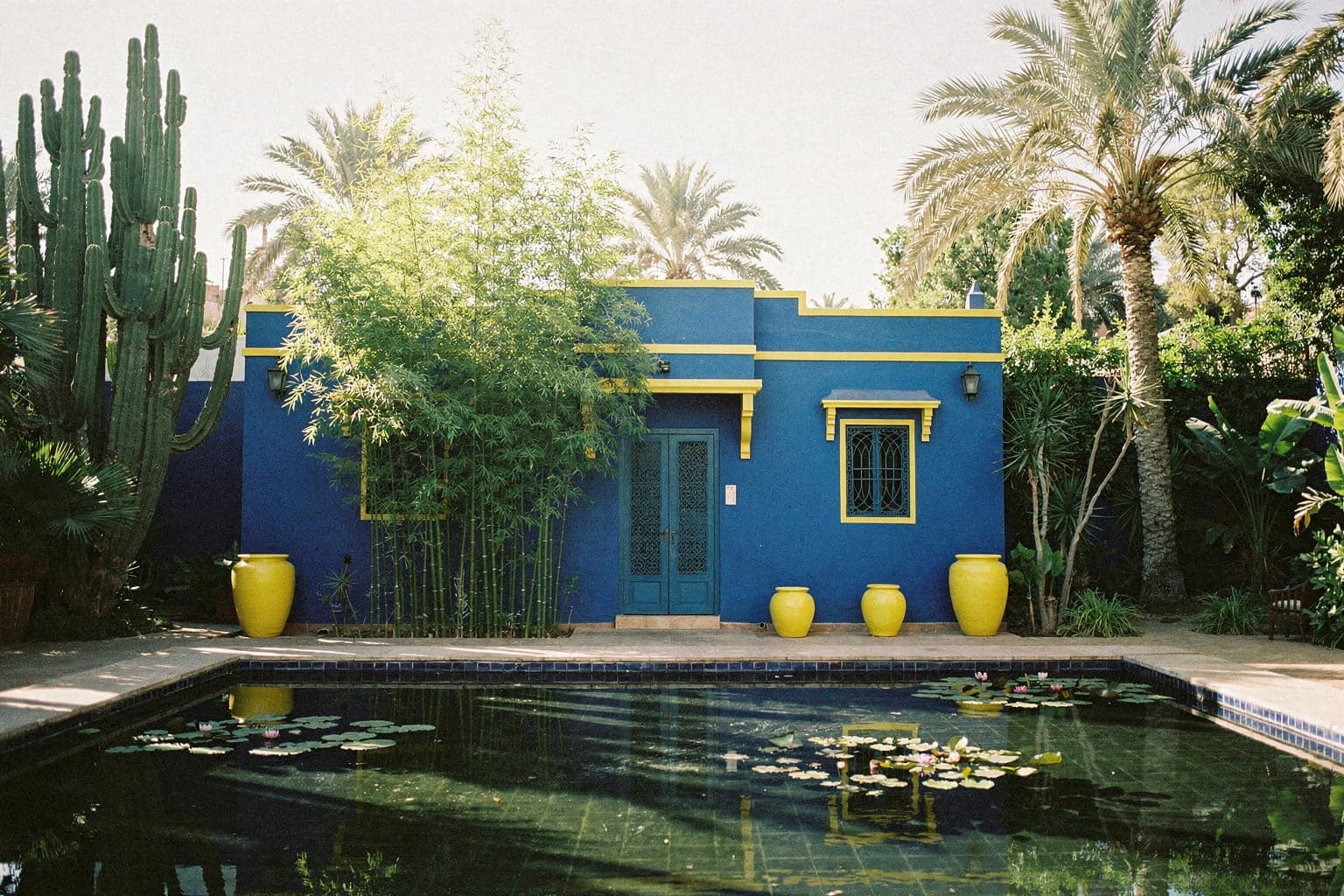
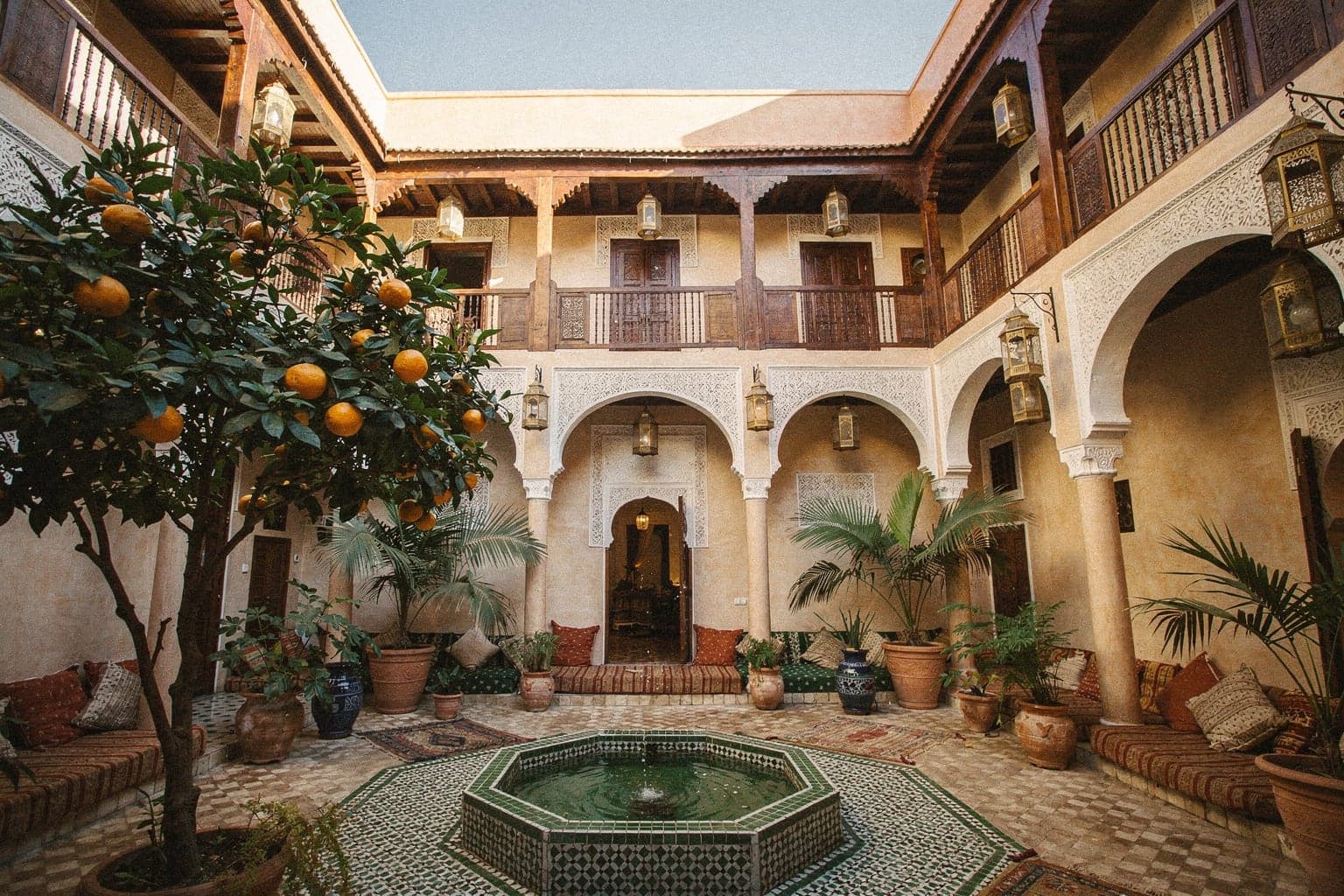
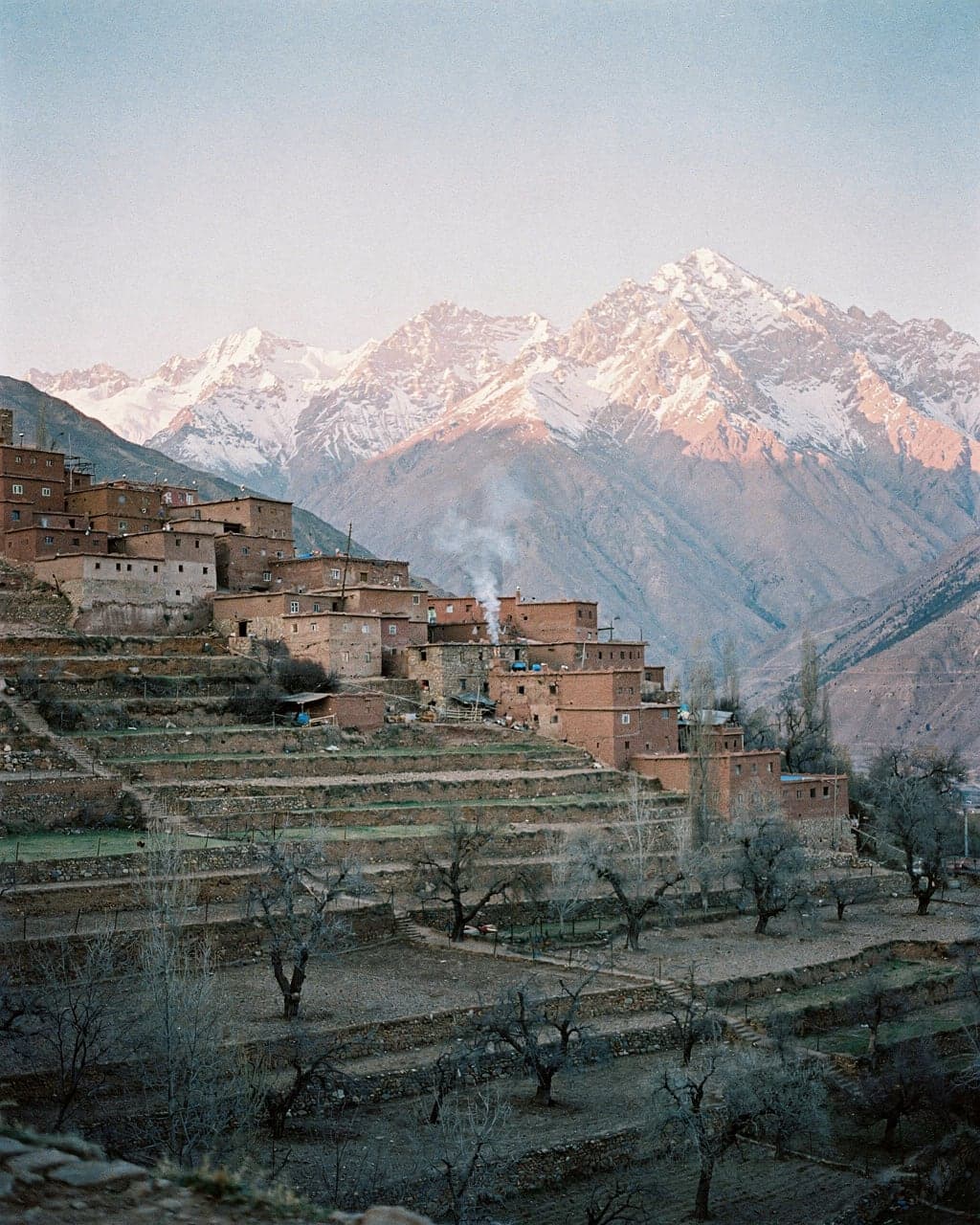
Illustration: Spike Travel (AI-assisted)
Questions people ask
Do I need a visa for Morocco?
Not for tourist stays of up to 90 days if you hold a US, UK, Canadian, Australian or EU/Schengen passport. Validity rules differ: the UK asks for at least three months from arrival, while Canada asks for six months beyond departure. Make sure your passport is stamped on entry.
Is Marrakech safe for tourists?
Generally, yes. Violent crime against visitors is rare, but hassle, scams and pickpocketing in the medina are common. The US rates Morocco Level 2, exercise increased caution, because of terrorism, and Canada advises a high degree of caution.
Is Marrakech safe for women travelling alone?
Women do travel here alone, but the UK government notes that women may receive unwanted attention, especially when travelling solo. Loose clothing that covers arms, legs and chest, a riad with good reviews from solo women and pre-booked transfers after dark all help.
How many days do you need in Marrakech?
Three days covers the medina's main sights, Jardin Majorelle and an evening on Jemaa el-Fna. Add a day for the High Atlas and two for Essaouira, ideally with a night on the coast.
Can you drink alcohol in Marrakech?
Yes, in licensed hotels, bars and restaurants, mostly in Guéliz and Hivernage, in some riads, and from supermarket alcohol sections outside Ramadan. Drinking in the street is illegal.
When is Ramadan 2027 in Morocco?
It is expected to begin around 8 February 2027 and end around 9 March, with Eid al-Fitr on about 9–10 March. Morocco confirms the dates by moon sighting. Sights stay open with shorter hours, and many medina cafés close during daylight.
What should I wear in Marrakech?
Light, loose clothes that cover shoulders and knees work for everyone and keep the sun off. Bring a warm layer for winter nights and for any trip into the Atlas.
Sources
Where the facts on this page come from. Dates show when we last checked each one.
- US Department of State: Morocco travel advisory and entry requirementsaccessed Oct 12, 2026
- UK FCDO: Morocco entry requirementsaccessed Oct 12, 2026
- UK FCDO: Morocco safety and security, laws and customsaccessed Oct 12, 2026
- UK FCDO: Morocco getting help (emergency numbers)accessed Oct 12, 2026
- Government of Canada: Morocco travel advice and advisoriesaccessed Oct 12, 2026
- Smartraveller (Australian Government): Moroccoaccessed Oct 12, 2026
- France Diplomatie: Maroc, entrée et séjouraccessed Oct 12, 2026
- WMO 1991–2020 climate normals for Marrakech (station 60230), NOAA NCEI archiveaccessed Oct 12, 2026
- Wikipedia: Marrakesh climate table (citing the WMO/NOAA normals above)accessed Oct 12, 2026
- Jardin Majorelle: The garden, opening hours and pricesaccessed Oct 12, 2026
- Musée Yves Saint Laurent Marrakech: Your visitaccessed Oct 12, 2026
- Medersa Ben Youssef: Opening hours and ticket pricesaccessed Oct 12, 2026
- Bahia Palace visitor guide: Entrance feeaccessed Oct 12, 2026
- UNESCO: Cultural space of Jemaa el-Fna Squareaccessed Oct 12, 2026
- UNESCO World Heritage Centre: Medina of Marrakeshaccessed Oct 12, 2026
- UNESCO World Heritage Centre: Medina of Essaouiraaccessed Oct 12, 2026
- Explore Essaouira: Supratours bus from Marrakech (fare, September 2026)accessed Oct 12, 2026
- Tripadvisor forum: Marrakech airport bus L19 update, April 2026 (reader-reported)accessed Oct 12, 2026
- Marrakech Eco Tours: Toubkal guide requirement and costaccessed Oct 12, 2026
- Marrakech International Film Festival: 23rd edition datesaccessed Oct 12, 2026
- HCP: General Population and Housing Census 2024 resultsaccessed Oct 12, 2026
- IUCN: Barbary macaque listed as Endangeredaccessed Oct 12, 2026
- Al Fassia: About the restaurantaccessed Oct 12, 2026
- Amal: Culinary training for women in Marrakechaccessed Oct 12, 2026
- Numbeo: Cost of living in Marrakech (crowd-sourced; sanity check only)accessed Oct 12, 2026
- Hostelworld: Hostels in Marrakeshaccessed Oct 12, 2026
- Trading Economics: Moroccan dirham (USD/MAD on 12 October 2026)accessed Oct 12, 2026
If you like Marrakech
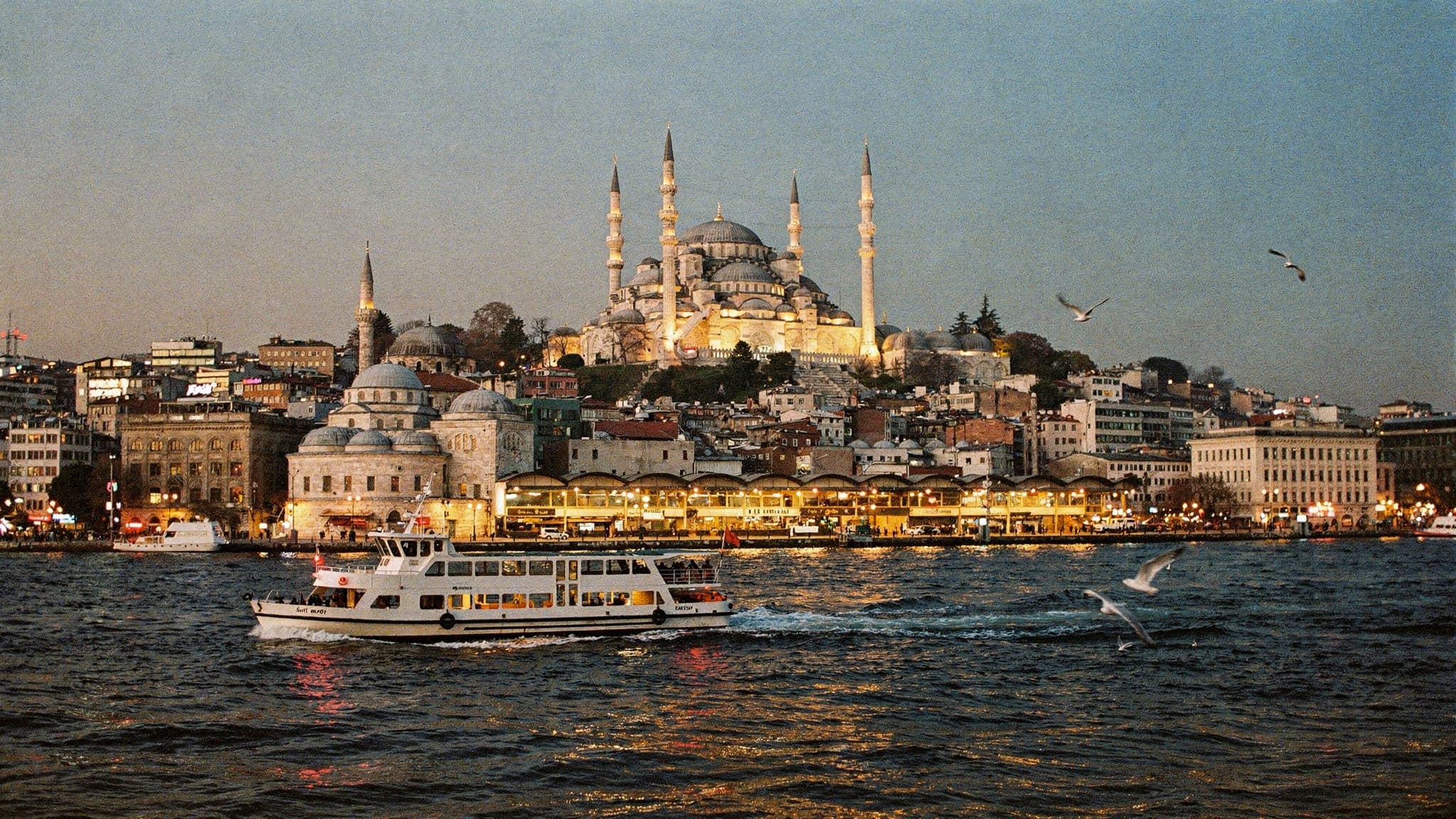
Türkiye
Istanbul
A commuter ferry to Asia, a sixth-century dome before lunch, and tea in a tulip glass wherever you stop.
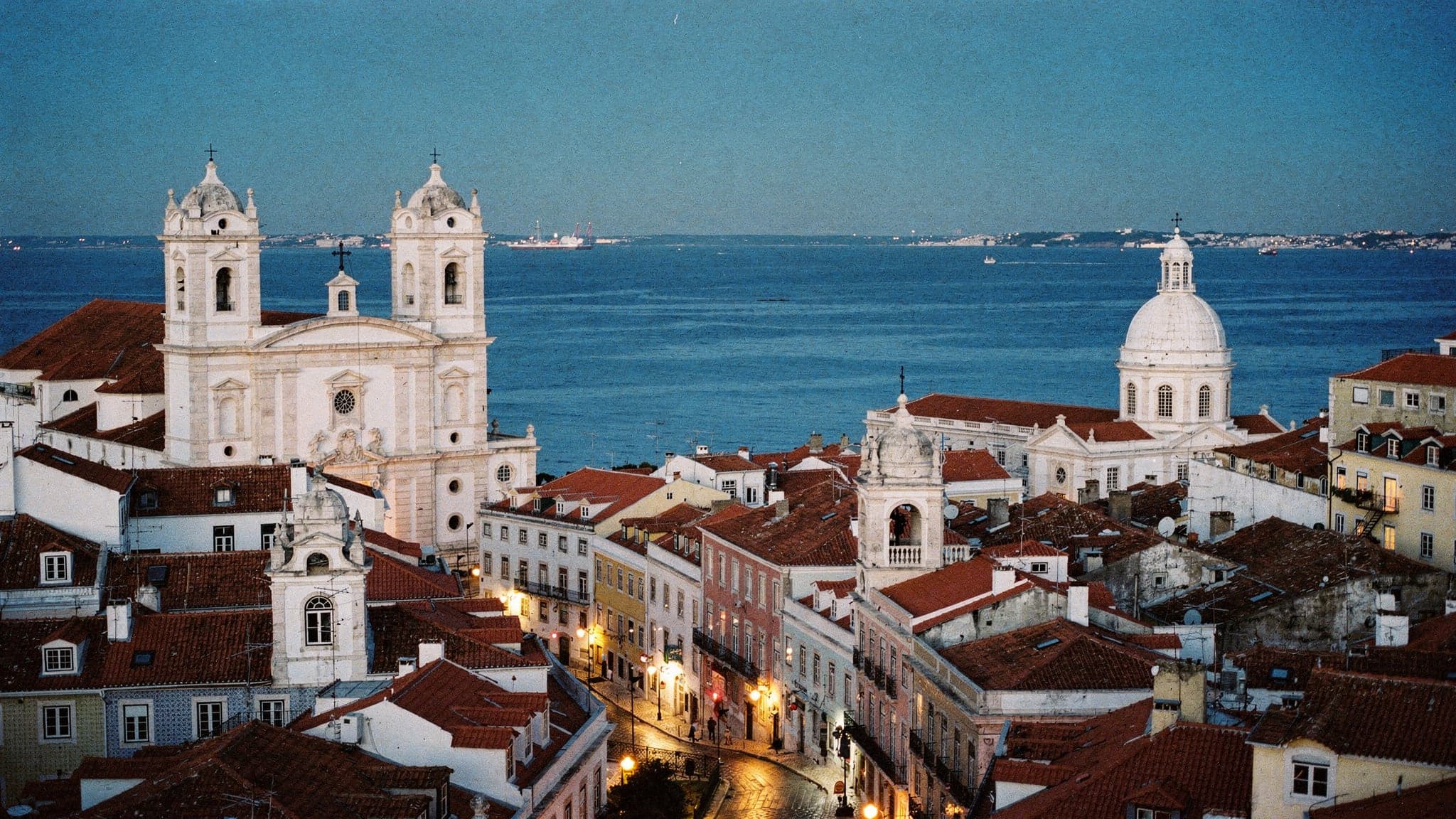
Portugal
Lisbon
Steep cobbled lanes, river light on tiled walls, and a counter espresso that still costs about a euro.
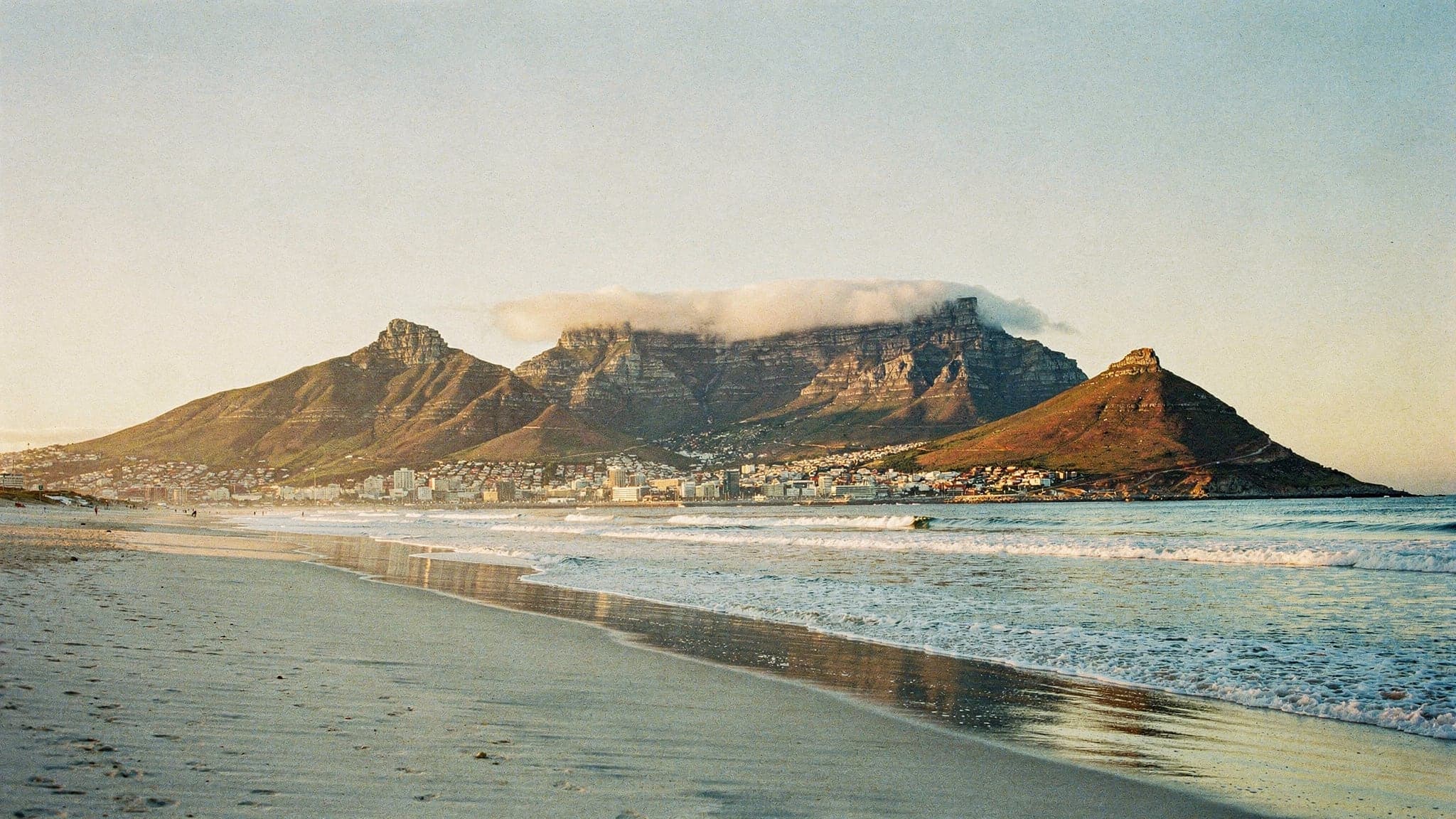
South Africa
Cape Town
A flat-topped mountain in the middle of town, a cold Atlantic at its feet, and a city still reckoning with its own map.
Book Marrakech
These links go to the booking sites we would use ourselves. Nothing here is currently sponsored.
Fast facts
- Currency
- Moroccan dirham (MAD)
- Languages
- Moroccan Arabic (Darija), Tamazight, French
- Plugs
- Type C, E, 220 V, 50 Hz
- Time zone
- Casablanca (GMT+0)
- Tap water
- Drink bottled or filtered
- Tipping
- Round up in cafés, leave about 10% in restaurants, and keep 10–20 MAD for porters, guides and parking attendants.
- Driving
- On the right
- Emergency
- 112 from a mobile; police 19 or 190; ambulance and fire 15 or 150; gendarmerie 177
- Dialing code
- +212
- Safety
- 4/5
When to go
Best: Apr, Oct.
Good for
- Culture & history5/5
- Food & drink4/5
- Nature & scenery3/5
- Adventure3/5
- Beaches1/5
- Nightlife2/5
- Romance4/5
- Family-friendly3/5
- Value for money4/5
- Big-city energy4/5
- Slow & restorative3/5
- Wildlife1/5