South Africa, Western Cape, Southern Africa
Cape Town
A flat-topped mountain in the middle of town, a cold Atlantic at its feet, and a city still reckoning with its own map.
Illustration: Spike Travel (AI-assisted)

By Spike Travel Editorial Desk, Editorial team
Published Oct 12, 2026
Disclosure: A researched briefing compiled from official sources and published reporting. No press trip, hosted stay or free service was involved, and no business named here saw the copy before publication.
- Best time
- Feb–Mar
- Daily budget
- $50–500
- Safety
- 2/5
- Strongest for
- Nature & scenery, Adventure, Culture & history
Cape Town wraps around Table Mountain, with Atlantic beaches, Cape Malay cooking and wine farms dating to 1685 within an hour's drive. It is also a deeply unequal city where crime shapes how you move: ride-hail after dark, hike in groups. Loadshedding has been suspended since May 2025, and US, UK, EU, Canadian and Australian passports need no visa.
Why go
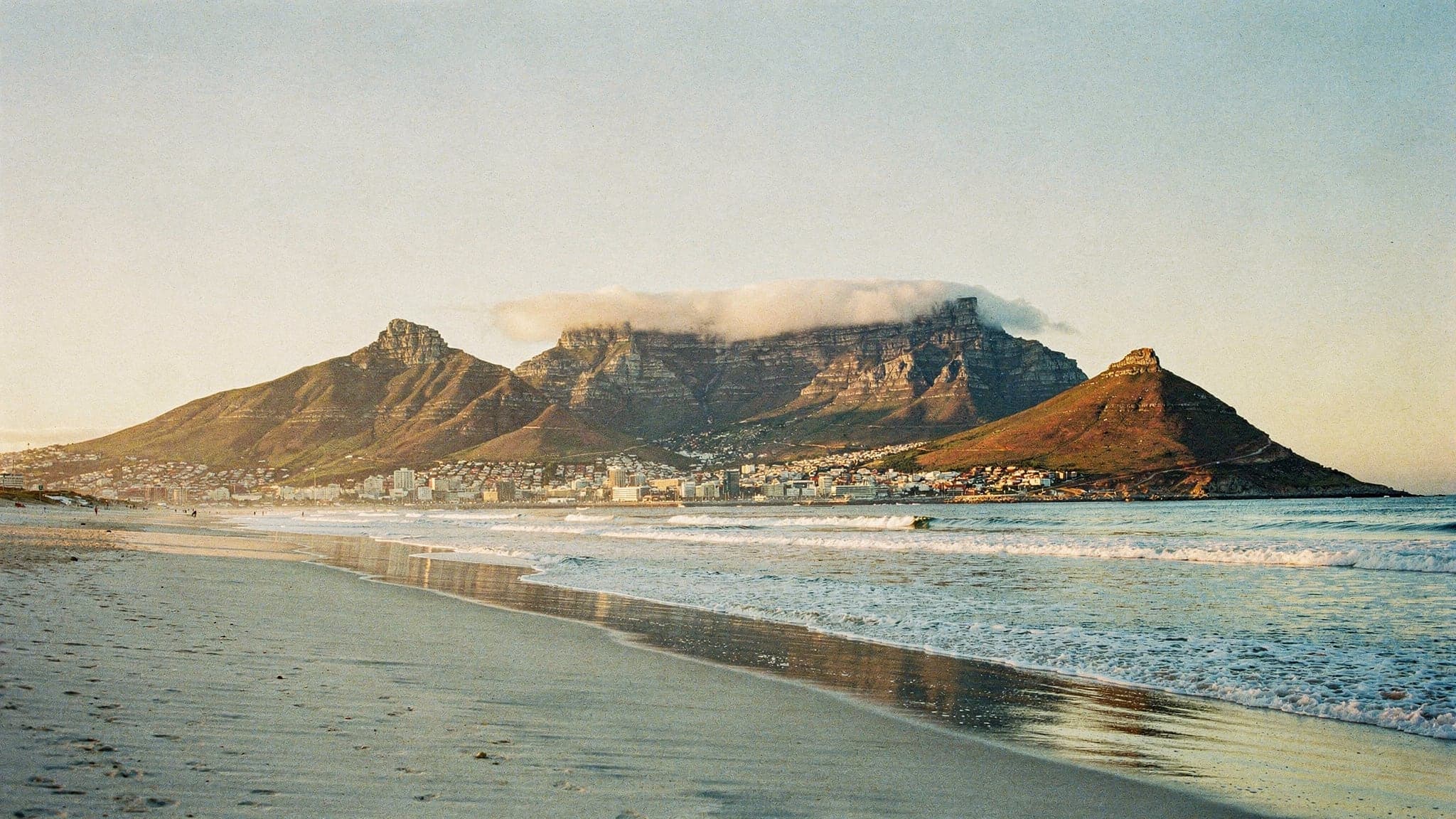
Table Mountain rises straight out of Cape Town's city centre, a flat sandstone wall about 1,085 metres high that you can see from almost every street. On some mornings a white cloud pours over its edge, and locals call it the tablecloth. You can ride a cable car with a rotating floor to the top in a few minutes, or climb it on foot before lunch, and still be on a beach by the afternoon.
Cape Malay families, descended in part from people the Dutch East India Company brought from South-East Asia as slaves and political exiles, built the Bo-Kaap's mosques and gave Cape Town its signature cooking. The Company's vegetable garden of 1652 is still a public park in the centre. Robben Island, where Nelson Mandela spent 18 of his 27 years in prison, sits in plain view across Table Bay.
It is also a city still drawn by apartheid planning. The leafy suburbs hug the mountain, while the Cape Flats, where most Capetonians live, spread east towards the airport. Visitors who never leave the Atlantic Seaboard miss most of the city, and visitors who wander carelessly can get hurt.
The lay of the land
The City Bowl is the amphitheatre enclosed by Table Mountain, Devil's Peak to the east, and Lion's Head and Signal Hill to the west. It holds the CBD and the Company's Garden, the Bo-Kaap on the lower slopes of Signal Hill, and the residential streets of Gardens and Tamboerskloof. The V&A Waterfront fills the working harbour on the bowl's northern edge, with hotels, malls, Zeitz MOCAA and the ferry terminal for Robben Island.
West of Signal Hill, the Atlantic Seaboard runs south through Green Point, Sea Point, Clifton and Camps Bay below the Twelve Apostles, then on to Hout Bay and over Chapman's Peak Drive. Behind the mountain lie the Southern Suburbs, among them Newlands, Kirstenbosch and the Constantia wine valley. The peninsula continues down the False Bay side through Muizenberg, Kalk Bay and Simon's Town to Cape Point, roughly an hour and a half from the centre.
East of the mountain, the Cape Flats hold the airport, about 20 km from the CBD, and townships including Langa, Gugulethu, Nyanga and Khayelitsha. The Winelands begin about 45 minutes east at Stellenbosch, with Franschhoek further on, around 80 km from the city.
Areas at a glance
City Bowl (CBD, Gardens, Tamboerskloof)$$$$
Restaurants on Bree and Kloof streets under the mountain, walkable by day
Best for: First-timers and food lovers
V&A Waterfront$$$$
Working harbour turned hotel and mall district with private security
Best for: Families, first nights and Robben Island ferries
Sea Point and Green Point$$$$
Apartment blocks and a seafront promenade busy with walkers and runners
Best for: Mid-range stays, sunsets and morning runs
Camps Bay and Clifton$$$$
White beaches under the Twelve Apostles, icy water and expensive sundowners
Best for: Beach days and splurges
De Waterkant and the Bo-Kaap$$$$
Cape Town's gay village beside the painted Cape Malay quarter
Best for: LGBTQ+ travellers and culture
False Bay (Muizenberg, Kalk Bay, Simon's Town)$$$$
Surf beaches, a fishing harbour and penguins along the peninsula's quieter side
Best for: Slower stays, surfers and families
When to go
Cape Town has a Mediterranean climate. At the airport weather station, January averages a high of 27°C and under 10 mm of rain, while June brings about 92 mm and highs of 18°C. The suburbs on the mountain's flanks get considerably more rain than that.
Summer has a catch: the south-easter, a wind locals call the Cape Doctor, blows hard for days at a time from roughly November to February. It clears the air, sandblasts Camps Bay and shuts the cableway. December and January are also peak season, when South African holidaymakers and international visitors fill the city and prices climb. February to April is the best time: still dry and warm, and usually calmer.
Winter, from June to August, brings cold fronts with heavy rain between bright, clear days. Hotels drop their rates, the mountain turns green, and the cableway closes for its annual maintenance, which ran from 27 July to 9 August in 2026. Spring is whale season: southern right whales gather in Walker Bay off Hermanus from about June to November, peaking in September and October, and the West Coast's wildflowers bloom from August.
The Kaapse Klopse minstrel carnival is traditionally on 2 January, though the date has shifted in recent years. Roads across the peninsula close for the Cape Town Cycle Tour on 14 March 2027, and the Two Oceans Marathon week runs from 31 March to 4 April 2027.
Cape Town month by month
Best: Feb–Mar. Bars show our 1–5 rating; numbers are average daily highs in °C. The outlined bar is this month.
Month-by-month table
| Month | Rating | High / low °C | Rain mm | Note |
|---|---|---|---|---|
| January | 4/5 | 27 / 17 | 9 | Hot, dry and windy; holiday crowds; the minstrel carnival parade early in the month |
| February | 5/5 | 27 / 17 | 10 | Warmest weather, schools back, prices easing |
| March | 5/5 | 26 / 15 | 13 | Calmer winds; Cape Town Cycle Tour on 14 March 2027 |
| April | 4/5 | 24 / 12 | 40 | Autumn light; Two Oceans Marathon week, 31 March to 4 April 2027 |
| May | 3/5 | 21 / 10 | 61 | First winter fronts; low-season hotel rates |
| June | 2/5 | 18 / 8 | 92 | Wettest month; southern right whales start arriving in Walker Bay |
| July | 2/5 | 18 / 7 | 85 | Cold fronts; the cableway's annual maintenance shutdown falls in late July |
| August | 3/5 | 18 / 8 | 72 | West Coast wildflower season begins |
| September | 4/5 | 20 / 9 | 44 | Peak whale watching at Hermanus; spring flowers |
| October | 4/5 | 22 / 12 | 28 | Whales still in; warm days return |
| November | 4/5 | 24 / 13 | 25 | SANParks fees rise on 1 November; the south-easter picks up |
| December | 3/5 | 26 / 16 | 13 | Festive-season peak prices, crowds and strong wind |
February to April is the sweet spot: dry, warm and calmer than midsummer, with the December and January crowds gone. June to August brings cold fronts and the lowest prices, and September to November pairs spring flowers with whale season at Hermanus.
What it costs
At the time of writing US$1 bought about R16.50, which makes Cape Town good value for food, wine and transport. Numbeo's crowd-sourced averages put a cappuccino at about R41 and a pint of local draught beer at R50. A full Gatsby that feeds two or three costs about R160. Uber's own figure for the average ride from the airport is R193. Booking.com's average for a 3-star room on an October 2026 weekend was about US$130.
The big tickets add up, and many use two-tier pricing, with South African residents paying less. The cableway costs R475 return online or R530 at the office. A Robben Island tour costs R600. Kirstenbosch charges R270 for visitors from outside Africa, and Zeitz MOCAA R350, up from R265 on 1 September 2026. Chapman's Peak's toll is R68. In the Winelands, the Franschhoek Wine Tram costs R350 before its November price rise, plus R60–R260 per tasting.
Loading tool…
What a day costs
Shoestring
$50
per person, per day, no flights
Mid-range
$150
per person, per day, no flights
Luxury
$500
per person, per day, no flights
Shoestring buys a hostel bed, market and takeaway meals, MyCiTi buses and the free sights. Mid-range covers a 3-star room in the City Bowl or Sea Point, Uber everywhere, a sit-down dinner with wine and one paid attraction a day. Luxury means a five-star hotel, a private driver-guide and tasting-menu restaurants.
| Item | Local price | ≈ USD | Note |
|---|---|---|---|
| Flat white or cappuccino | R40 | $2.4 | Numbeo's crowd-sourced Cape Town average is about R41 |
| Draught beer (pint) in a bar | R50 | $3 | |
| Full Gatsby sandwich to share | R160 | $9.7 | Masala steak "full house" at Golden Dish, Athlone; feeds two or three |
| Mid-range dinner for two with a bottle of wine | R800–1,200 | $60 | |
| MyCiTi bus ride | R15–52.50 | $1.5 | Distance-based 2026/27 fares; the myconnect card costs R40 |
| Uber from the airport | R190–350 | $15 | Uber's own average from CPT is R193 for a 27-minute ride |
| Hostel dorm bed | R300–450 | $22 | |
| 3-star double | R1,800–2,500 | $130 | Booking.com's 3-star weekend average was about US$130 in October 2026 |
| Table Mountain cableway, adult return | R475 online | $29 | R530 at the ticket office |
| Robben Island tour | R600 | $36 | Non-South African adults; children R310 |
| Cape of Good Hope entry | R515 | $31 | Rises to R592 on 1 November 2026 |
| Boulders penguin colony entry | R245 | $15 | Rises to R282 on 1 November 2026 |
| Vodacom Travel SIM bundle, 3–10 GB | R299–699 | $18 | Valid 30 days; RICA registration with your passport required |
Prices verified Oct 12, 2026. Exchange rates move; treat USD as a guide.
Build a budget for Cape TownGetting there and around
Cape Town International Airport (CPT) has long-haul flights and frequent connections through Johannesburg. It sits about 20 km east of the centre, 25 to 30 minutes by Uber or Bolt. The City's MyCiTi airport bus was suspended in December 2022, and we could not confirm a restart, so plan on ride-hail or a pre-booked transfer. At the airport, book inside the app and match the plate and driver before you get in; the FCDO warns about unregulated drivers posing as Uber drivers.
In town, ride-hail is cheap and the default after dark. MyCiTi buses are clean and useful along the CBD, Waterfront and Atlantic Seaboard routes: buy a myconnect card for R40, tap on and off, and pay R15–52.50 depending on distance, with peak fares on weekday mornings and late afternoons. The FCDO advises against using MyCiTi to visit townships after violent attacks in Khayelitsha.
A hire car makes sense for the peninsula and the Winelands. Drive on the left, keep bags in the boot, park in lit areas, and expect self-appointed car guards almost everywhere. Smash-and-grab theft at traffic lights is common, and criminals sometimes pose as police in unmarked cars with blue lights; if in doubt, drive on to a police or petrol station.
Walking is pleasant by day along the Sea Point promenade, in the Company's Garden, on Bree and Kloof streets and around the Waterfront. After dark, take a car even for short hops.
Arriving and moving around
- CPTCape Town International Airport. To the centre: About 20 km from the centre; 25–30 minutes by Uber or Bolt (around R190–350). The MyCiTi airport bus was suspended in 2022.
Ride-hail is how most visitors move: Uber and Bolt are cheap by Western standards and the safest choice after dark, as long as you check the plate and driver in the app and wait indoors. MyCiTi buses cover the CBD, the Waterfront and the Atlantic Seaboard; buy a myconnect card (R40) and tap on and off, with fares of R15–52.50 by distance and peak pricing on weekday rush hours. Don't use MyCiTi to visit townships. Hire a car for the peninsula and the Winelands, drive on the left and keep valuables out of sight. Walking is fine by day in busy areas such as the Sea Point promenade, Kloof and Bree streets and the Waterfront, but take a car at night, even for short distances.
Where to stay
The City Bowl makes the easiest first base. Gardens and Tamboerskloof put you near the restaurants of Kloof Street and the foot of the mountain. Mount Nelson, A Belmond Hotel, has been the city's grande dame since 1899, and Protea Hotel Fire & Ice! by Marriott is a lively mid-range option nearby. In the CBD, Cape Heritage Hotel occupies restored buildings on Heritage Square off Bree Street, and 91 Loop Boutique Hostel is the central budget pick, though the CBD's nightlife streets can be noisy.
The V&A Waterfront feels the most secure, with private security and everything within walking distance, and it is the priciest. The Silo Hotel sits on the upper floors of the grain silo above Zeitz MOCAA. Sea Point and Green Point are good mid-range territory with a seafront promenade; The Winchester Hotel faces the Sea Point promenade. Camps Bay and Clifton are for beach days and big budgets, and the Twelve Apostles Hotel & Spa sits on its own further down the coast. De Waterkant, the city's gay village, and the adjoining Bo-Kaap suit travellers who want character on foot.
For a slower pace, the False Bay villages of Muizenberg, Kalk Bay and Simon's Town put you closer to Boulders and Cape Point. A night or two in Stellenbosch or Franschhoek turns the Winelands into a proper break.
Whatever you book, ask about secure parking and backup power. Loadshedding has been suspended since May 2025, but outages still happen.
Places we'd book
- Check rates
Mount Nelson, A Belmond HotelLuxuryGardens, City Bowl
The pink grande dame of Cape Town, open since 1899, set in large gardens a short walk from Kloof Street.
- Check rates
The Silo HotelLuxuryV&A Waterfront
Rooms with bulging glass windows on the upper floors of the grain silo that also houses Zeitz MOCAA, with a rooftop pool.
- Check rates
Twelve Apostles Hotel & SpaLuxuryOudekraal, Atlantic Seaboard
An isolated ocean-front hotel between Camps Bay and Hout Bay, below the Twelve Apostles range.
- Check rates
Cape Heritage HotelMid-rangeCBD, Heritage Square
A boutique hotel in restored buildings on Heritage Square, steps from the Bree Street restaurants.
- Check rates
The Winchester HotelMid-rangeSea Point
A long-established hotel facing the Sea Point promenade, with an Italian-style courtyard and a pool.
- Check rates
Protea Hotel Fire & Ice! by Marriott Cape TownMid-rangeGardens, City Bowl
A playful, design-led chain hotel near Long and Kloof streets, with an outdoor pool.
- Check rates
91 Loop Boutique HostelBudgetCBD, Loop Street
A modern hostel with a 24-hour front desk, a bar and a courtyard in the heart of the CBD.
What to do
Start with Table Mountain on the first clear, still morning, because the cableway closes in wind with little notice. The cable car turns as it climbs, and the plateau's short paths give views over both coasts. If you want to climb, Platteklip Gorge is the steep, direct route up from Tafelberg Road near the lower cable station; Lion's Head is the shorter, more popular hike, with chains near the summit and a crowd at sunset.
Book Robben Island early. Ferries leave the Nelson Mandela Gateway at the Waterfront for a 3.5-hour tour that includes the lime quarry, Robert Sobukwe's house and the maximum-security prison, ending at Mandela's cell. Boats are cancelled in bad weather, so leave room to rebook.
Give a full day to the peninsula loop. Drive south along the Atlantic over Chapman's Peak Drive, spend the middle of the day in the Cape of Good Hope section of the national park, ride the Flying Dutchman funicular (R115 return) to the old Cape Point lighthouse, and return along False Bay via the Boulders penguin colony and a late lunch in Kalk Bay. The baboons here know what a picnic bag looks like, so keep food out of sight.
On a windy day, when the cableway is shut, go to Kirstenbosch, where the Boomslang walkway curves through the treetops. Spend an afternoon between the Bo-Kaap and Zeitz MOCAA, Africa's largest museum of contemporary African art, in a converted grain silo. The District Six Museum tells the story of the neighbourhood bulldozed under apartheid.
For day trips, the Winelands come first. Groot Constantia, South Africa's first wine farm (1685), is inside the city; Stellenbosch and Franschhoek are 45 to 75 minutes away. The Franschhoek Wine Tram solves the drink-driving problem, and the legal limit is 0.05 g of alcohol per 100 ml of blood, about one drink. From June to November, Hermanus is around 90 minutes away for whales seen from its cliff path.
The shortlist
Table MountainSee
The flat-topped sandstone wall above the city, reached by a cable car with a rotating floor or on foot. The plateau has short paths, fynbos and views down both coasts.
R475 return online, R530 at the office (1 July 2026 to 30 June 2027). The cableway shuts at short notice in wind; check its status before you go. Annual maintenance closed it from 27 July to 9 August in 2026.
Book ticketsRobben IslandSee
The prison island where Nelson Mandela spent 18 of his 27 years in custody. Tours take in the lime quarry, Robert Sobukwe's house and the maximum-security prison, ending at Mandela's cell.
R600 for non-South African adults. Ferries leave the Nelson Mandela Gateway at the Waterfront at 09:00, 11:00, 13:00 and 15:00 in peak season, weather permitting; allow 3.5 hours and book on robben-island.org.za days ahead in summer.
Book ticketsCape of Good Hope and Cape PointDay trip
The wild southern tip of the peninsula inside Table Mountain National Park: cliffs, fynbos, ostriches, baboons and the old lighthouse above Cape Point.
R515 per international adult until 31 October 2026, R592 from 1 November. The Flying Dutchman funicular costs R115 return. Keep food out of sight; the baboons are bold.
Book ticketsBoulders penguin colonySee
A colony of endangered African penguins nesting among granite boulders near Simon's Town, viewed from boardwalks above the beach.
R245 per international adult, rising to R282 on 1 November 2026. Go at opening, 07:00 or 08:00 depending on season, before the tour buses.
Book ticketsKirstenbosch National Botanical GardenSee
The national botanical garden on the eastern slopes of Table Mountain, with proteas, cycads, a curving treetop walkway called the Boomslang, and trails up to the mountain.
R270 for adult visitors from outside Africa. Good on windy days when the cableway is shut.
Zeitz MOCAASee
Africa's largest museum of contemporary African art, carved out of a 1920s grain silo at the Waterfront.
R350 for adults since 1 September 2026; under-18s free. Open daily from 10am.
Book ticketsChapman's Peak DriveDo
Nine kilometres of road cut into the cliffs between Hout Bay and Noordhoek, the classic route south on a peninsula loop.
R68 toll for cars since 1 July 2026. It closes in storms and for rockfall risk, so check before you set off.
Lion's HeadDo
The pointed peak between the City Bowl and the Atlantic, climbed in a spiral with chains and ladders near the top. A sunset favourite.
About 1.5 hours up for most people. Go on busy weekend mornings in a group, start down well before dark, and save the WSAR rescue number, +27 21 937 0300.
Stellenbosch, Franschhoek and Constantia wine countryDay trip
Cape Dutch farms, mountain-ringed vineyards and tasting rooms from 45 minutes to an hour and a quarter east of the city, plus Groot Constantia, South Africa's first wine farm (1685), inside the city limits.
The Franschhoek Wine Tram costs R350 per adult before its 1 November 2026 rise, with tastings of R60–R260 per estate on top. The legal blood-alcohol limit for drivers is 0.05 g per 100 ml; book a driver or tour.
Hermanus whale watchingDay trip
Southern right whales come close to the cliffs of Walker Bay to calve, watchable from the town's cliff path or from licensed boats.
Whales are present from about June to November, peaking in September and October. Allow a full day; it is around 90 minutes' drive each way.
Book tickets
Eat and drink
Cape Malay cooking is the city's own. Bo-Kaap Kombuis on August Street serves Cape Malay dishes such as bobotie and curries (closed Mondays). On Sunday mornings, Bo-Kaap households sell koesisters, the spiced, coconut-dusted Cape Malay doughnut, from their front doors and small stalls.
The Gatsby belongs to the Cape Flats: a long roll stuffed with slap chips, masala steak or polony and sauces. Golden Dish in Athlone has a strong following, and its full masala steak version costs about R160. For snoek and chips, go to Kalky's at Kalk Bay harbour or Snoekies at Hout Bay harbour.
The Neighbourgoods Market at the Old Biscuit Mill in Woodstock runs on Saturdays and Sundays from 9am. The Oranjezicht City Farm Market at Granger Bay opens Saturdays from 8am to 2:30pm and Sundays from 8:30am, plus a Wednesday night market except in June and July.
In Langa, Cape Town's oldest township, Lelapa has served home-style South African cooking since 1999, buffet-style, in the Mahlo family's home. GOLD serves a 14-dish African menu with drumming and performances; it is built for visitors. For coffee, Truth on Buitenkant Street roasts its own beans in a steampunk-styled café.
Tip 10–15% in restaurants. Groot Constantia offers tastings daily, and Winelands estates commonly charge R60–R260 a tasting; book lunch at popular farms well ahead in summer.
Order this
Bobotie
Curried minced meat with dried fruit, baked under an egg custard and served with yellow rice; the national dish, and a Cape Malay one.
Try it at: Bo-Kaap Kombuis, 7 August Street in the Bo-Kaap (closed Mondays)
Gatsby
A long roll stuffed with slap chips, masala steak, polony or chicken and sauces, cut into sections to share. Born on the Cape Flats.
Try it at: Golden Dish in Athlone, where the full masala steak version costs about R160
Snoek and chips
Snoek is the Cape's oily, bony line fish; harbour shops fry it with chips or grill it with apricot glaze.
Try it at: Kalky's at Kalk Bay harbour, or Snoekies at Hout Bay harbour
Koesisters
The Cape Malay koesister is a spiced, syrup-soaked, coconut-dusted doughnut, a Sunday-morning tradition quite different from the plaited Afrikaner koeksister.
Try it at: Sold from homes and small stalls in the Bo-Kaap on Sunday mornings
Township home cooking
Home-style South African dishes served buffet-style in a family home in Langa, Cape Town's oldest township.
Try it at: Lelapa in Langa, a home restaurant opened in 1999 by Sheila and Monica Mahlo
Chenin blanc and pinotage
South Africa's signature white grape and its home-grown red cross, the two to taste on any Winelands day.
Try it at: Groot Constantia, tasting daily, or the cellar doors of Stellenbosch and Franschhoek
Practicalities
Money. Cards and tap-to-pay work almost everywhere. Use ATMs inside banks or malls, shield your PIN and refuse offers of help. Keep R5 and R10 coins and small notes for car guards and petrol attendants.
Data. Vodacom's Travel SIM bundles cost R299–R699 for 3–10 GB over 30 days. Every SIM must be registered under South Africa's RICA rules with your passport, so buy at the airport or a mall shop. An eSIM bought before travel skips the paperwork.
Water and power. Tap water is safe to drink. Eskom reported 504 consecutive days without loadshedding on 2 October 2026, but keep a power bank and torch. Sockets are mainly type M (large three round pins) and the newer type N, with two-pin type C common; voltage is 230 V at 50 Hz. Bring an adapter for type M.
Entry. Complete the SARS online traveller declaration before arriving and before leaving. You need two blank passport pages. If you arrive from or transit through a yellow fever risk country, which includes Peru and much of South America and Africa, you need a vaccination certificate.
Safety. Keep phones out of sight on the street, don't walk after dark, and don't resist if robbed. Swim between the red and yellow flags; the NSRI's emergency line is +27 87 094 9774. Rabies has been found in seals along the peninsula, so keep your distance at harbours. In an emergency, call 10111 (police), 10177 (ambulance) or 112 from a mobile.
Etiquette. The Bo-Kaap is a residential, largely Muslim neighbourhood. Don't pose on people's steps or photograph residents without asking, and dress modestly near mosques. Greetings go a long way: "molo" is hello in isiXhosa, "enkosi" is thank you, and "dankie" is thanks in Afrikaans.
LGBTQ+ travellers. South Africa's constitution bans discrimination on the basis of sexual orientation, and same-sex marriage has been legal since 2006. De Waterkant is the centre of gay Cape Town. Attitudes are more conservative outside the city's liberal core.
Accessibility. The Waterfront and Sea Point promenade are flat and easy. MyCiTi was designed for step-free boarding. Mountain trails, the Bo-Kaap's steep cobbles and many older buildings are not accessible, so ask hotels and tour operators specific questions.
Entry rules by passport
| Passport | Rule | Max stay | Notes | Checked |
|---|---|---|---|---|
| United States | Visa-free | Up to 90 days | You need two consecutive blank visa pages (endorsement pages don't count). Since 1 July 2026 every traveller must complete the SARS online traveller declaration before arriving and before leaving. The new Electronic Travel Authorisation applies to visa-required nationals, not US citizens, as of October 2026. | Oct 12, 2026 |
| United Kingdom | Visa-free | Up to 90 days | Passport must be valid for at least 30 days after you leave South Africa and have at least two blank pages. Complete the SARS online traveller declaration before travelling in both directions. | Oct 12, 2026 |
| EU/Schengen | Visa-free | 90 days for most passports; 30 days for Cyprus and Poland | Home Affairs' exemption list (issued 9 December 2025) gives ordinary passports from EU and Schengen states 90 days, except Cyprus and Poland, which get 30. Blank-page, validity and traveller-declaration rules apply. | Oct 12, 2026 |
| Canada | Visa-free | Up to 90 days | Passport valid at least 30 days past your planned exit with at least two empty visa pages, or you will be refused entry. Officials write the permitted days on your stamp, so check it. Carry proof of onward travel. | Oct 12, 2026 |
| Australia | Visa-free | Up to 90 days | Smartraveller says you don't need a visa for tourism visits of up to 90 days, and that travellers entering or leaving must complete the online traveller declaration. | Oct 12, 2026 |
Entry rules change without notice. Confirm with the official source linked in the Checked column before you travel.
Safety: 2/5
South Africa has a high rate of violent crime, and in Cape Town most of it happens in townships and informal settlements that visitors rarely see. Visitors are mainly hit by muggings, phone snatching, smash-and-grab car crime, card fraud and robberies on quiet hiking trails. The US rates South Africa Level 2; Canada and Australia say exercise a high degree of caution. Use Uber or Bolt after dark, hike busy routes in groups of four or more, stay on the N2 and M3 from the airport, and never resist a robbery.
- Card skimming and helpful strangers at ATMs; use machines inside banks or malls and shield your PIN
- Fake ride-hail drivers at the airport; match the plate and driver photo in the app before getting in
- Smash-and-grab at traffic lights; keep phones and bags out of sight, ideally in the boot
- Criminals posing as police with blue lights on unmarked cars; drive on to a police or petrol station
- GPS shortcuts off the N2 into Nyanga and other townships near the airport
- Self-appointed car guards asking for large sums; R5–R10 when you leave is normal
Fast facts
- Currency
- South African rand (ZAR)
- Languages
- Afrikaans, English, isiXhosa
- Plugs
- Type C, D, M, N, 230 V, 50 Hz
- Time zone
- Johannesburg (GMT+2)
- Tap water
- Safe to drink
- Tipping
- 10–15% in restaurants; R5–R10 in cash for car guards and petrol attendants.
- Driving
- On the left
- Emergency
- 10111 police, 10177 ambulance, 112 from a mobile
- Dialing code
- +27
- Safety
- 2/5
What nobody tells you
The wind runs the summer schedule. When the south-easter blows, the cableway stops, Camps Bay turns into a sandblaster and boat trips are cancelled. Build every plan with a windy-day alternative, such as Kirstenbosch, the Winelands or a museum.
The Atlantic is cold. The beaches at Clifton and Camps Bay look tropical in photographs, but the water is cold enough to make your feet ache, even in February. The False Bay side, at Muizenberg and St James, is warmer for swimming.
Safety costs money and freedom. You will take Ubers for distances you would walk at home, park only where someone is watching, and think twice about a sunset hike. Visitors who follow local advice usually have no problems, and the ones who get robbed often were walking at night, hiking alone or leaving a bag on a car seat.
The townships are where most Capetonians live, and visiting them raises fair questions. Tours that drive past homes and photograph residents through a bus window are best skipped. A meal at a family restaurant like Lelapa, or a walk with a guide who lives there, gives something back.
Many attractions charge foreigners several times the local rate. Plan for it, and use the 1 November fee rise as a reason to front-load the national park.
The loadshedding pause is real, but it is a pause. Ask your host whether the building has backup power, and keep your phone charged.
Insider tips
- File the SARS online traveller declaration before you fly in and again before you fly out. It has been compulsory since 1 July 2026, and each traveller, including children, needs their own.
- From the airport, stay on the N2 or M3 and use the airport approach road at N2 exit 16. Ignore any GPS route via Borcherd's Quarry Road or through Nyanga.
- Visit Cape Point and Boulders before 1 November 2026 if your dates allow. SANParks fees rise to R592 and R282 that day.
- Buy cableway tickets online for R475 rather than R530 at the office, and go early on a clear, still morning. The cable car shuts in wind, often with little notice.
- Hike Lion's Head or Platteklip Gorge on busy weekend mornings in a group of at least four. Save the WSAR number, +27 21 937 0300, before you start.
- Tip car guards R5–R10 when you drive away, and keep small notes for them and for petrol attendants.
- Book Robben Island directly on robben-island.org.za several days ahead in summer, and keep a spare day in case the ferry cancels.
- Don't touch or approach Cape fur seals at Hout Bay or Kalk Bay harbours. Rabies has been detected in seals along the peninsula.
Skip it
- Walking anywhere after dark outside the Waterfront and the busiest stretches of Kloof and Bree streets. Take an Uber, even for a kilometre.
- Hiking quiet trails alone or at dawn and dusk, and lingering in the Signal Hill and Lion's Head car parks with a phone out.
- Township tours run from the window of a coach. Go with a community-based guide, or eat at a home restaurant such as Lelapa in Langa.
- Swimming outside the red and yellow flags. Rip currents drown people every year, and many beaches are unpatrolled.
- Leaving anything visible in a parked car, even for five minutes.
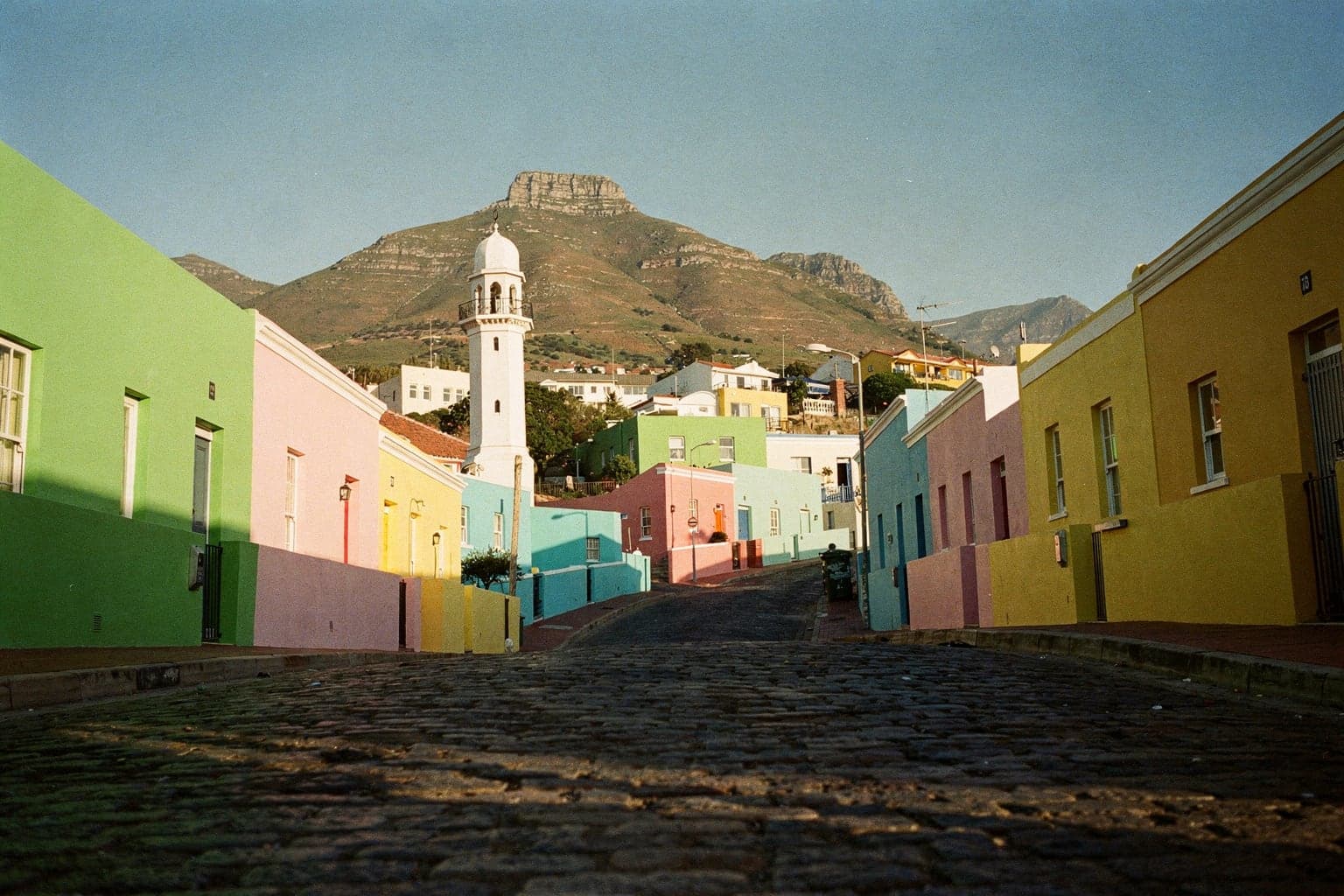
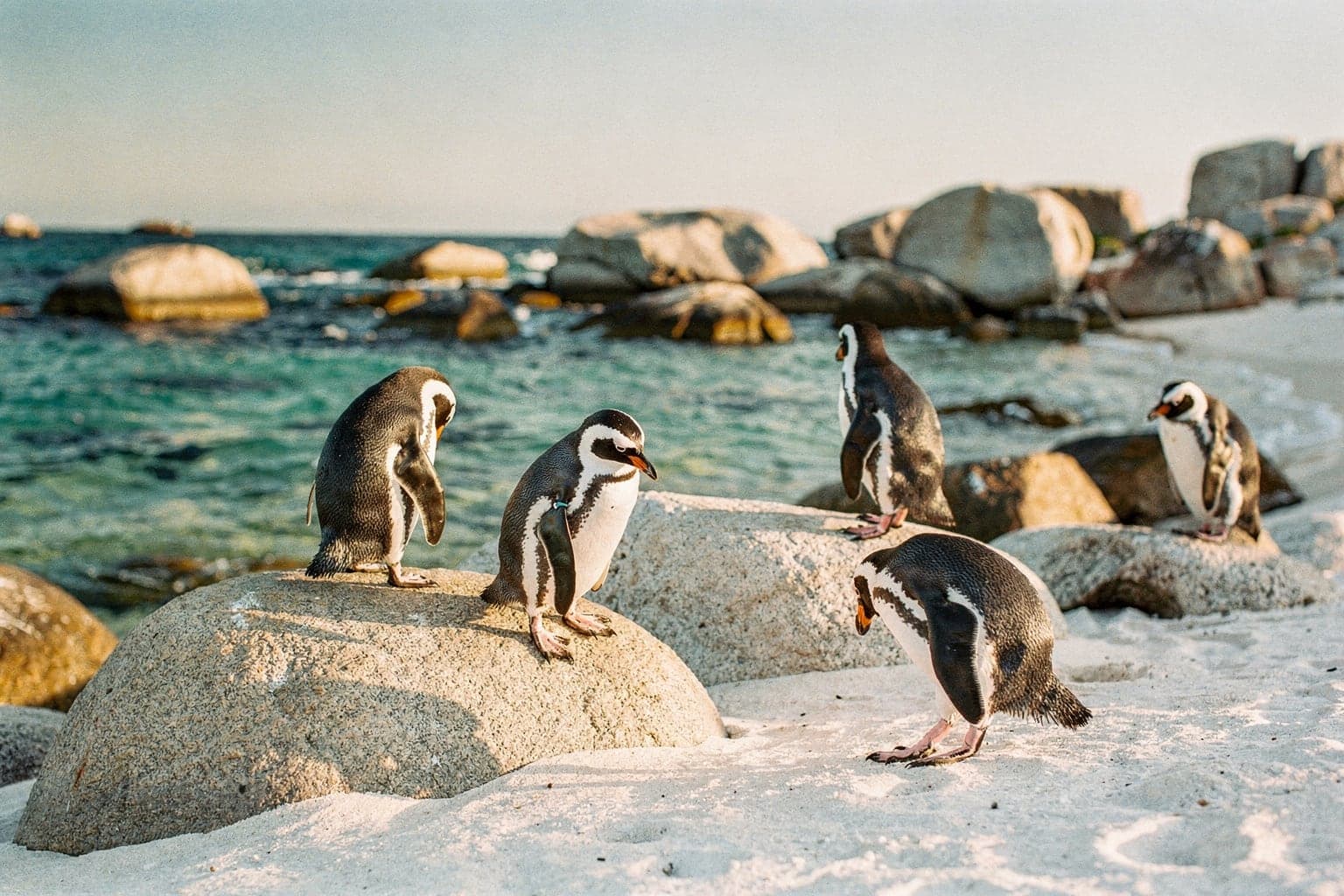
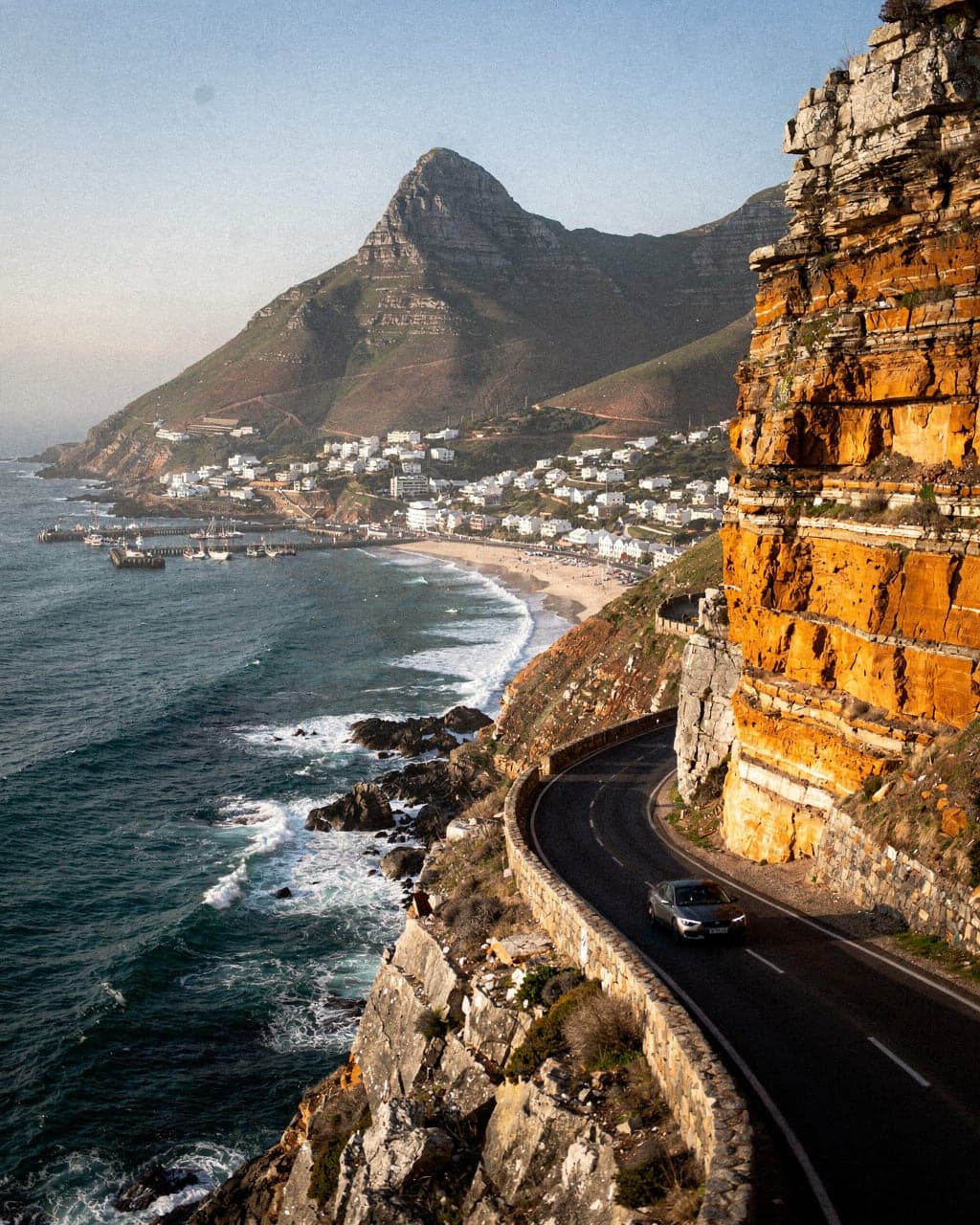
Illustration: Spike Travel (AI-assisted)
Questions people ask
Is Cape Town safe for tourists?
Most visits pass without trouble, but crime is a real factor. Stick to busy areas by day, use Uber or Bolt at night, hike in groups on popular routes, keep valuables out of sight in cars, and use ATMs inside banks or malls. Avoid unfamiliar townships unless you are with a reputable local guide.
Do I need a visa or an ETA for South Africa?
Not with a US, UK, Canadian or Australian passport, or most EU and Schengen passports, for tourist stays of up to 90 days (Cyprus and Poland get 30). The Electronic Travel Authorisation launched in August 2026 is for visa-required nationals. Everyone must file the SARS online traveller declaration and carry a passport with two blank pages.
Is there still loadshedding in Cape Town?
Not at the time of writing. Eskom reported 504 consecutive days without loadshedding on 2 October 2026, and Cape Town was taken off local load reduction schedules. Outages can still happen, so keep a power bank charged.
Can you drink the tap water in Cape Town?
Yes. The City of Cape Town's water holds Blue Drop certification for quality, and tap water is safe to drink across the city.
How many days do I need in Cape Town?
Five days covers Table Mountain, Robben Island, a peninsula loop to Cape Point and Boulders, Kirstenbosch and a Winelands day. Add two or three for Hermanus in whale season or for bad-weather days, when the cableway and ferries stop.
Is Uber safe in Cape Town?
It is the safest way to get around after dark. Book in the app, check the number plate and driver photo before getting in, wait somewhere secure, and use another option if app drivers are striking.
When is whale season near Cape Town?
Southern right whales visit Walker Bay at Hermanus from about June to November, with the most sightings in September and October.
Sources
Where the facts on this page come from. Dates show when we last checked each one.
- Department of Home Affairs: Countries exempt from South African visas (issued 9 December 2025)accessed Oct 12, 2026
- GOV.UK: South Africa entry requirementsaccessed Oct 12, 2026
- GOV.UK: South Africa safety and securityaccessed Oct 12, 2026
- Government of Canada: South Africa travel advice (updated 28 September 2026)accessed Oct 12, 2026
- Smartraveller: South Africa travel adviceaccessed Oct 12, 2026
- U.S. Department of State: South Africa Travel Advisory (Level 2)accessed Oct 12, 2026
- SARS: Customs Online Traveller Declaration (required from 1 July 2026)accessed Oct 12, 2026
- Fragomen: South Africa Electronic Travel Authorization (update of 18 August 2026)accessed Oct 12, 2026
- Eskom: Load shedding statusaccessed Oct 12, 2026
- Further Africa: Eskom load shedding ends for 504 straight days (6 October 2026)accessed Oct 12, 2026
- Table Mountain Aerial Cableway: Ticket pricesaccessed Oct 12, 2026
- Table Mountain Aerial Cableway: 2026 annual maintenance shutdown datesaccessed Oct 12, 2026
- Robben Island Museum: Tour types and pricesaccessed Oct 12, 2026
- SANParks: Daily conservation fees 1 November 2026 to 31 October 2027accessed Oct 12, 2026
- SANParks: Daily conservation fees 1 November 2025 to 31 October 2026accessed Oct 12, 2026
- Cape Point: Flying Dutchman funicular pricesaccessed Oct 12, 2026
- SANBI: Kirstenbosch visitor informationaccessed Oct 12, 2026
- Zeitz MOCAA: Plan your visitaccessed Oct 12, 2026
- Chapman's Peak Drive: Standard toll tariffsaccessed Oct 12, 2026
- MyCiTi: Annual fare adjustments, 1 July 2026accessed Oct 12, 2026
- Cape Times: No more MyCiTi airport service from December (2022)accessed Oct 12, 2026
- Uber: Rides from Cape Town International Airportaccessed Oct 12, 2026
- Franschhoek Wine Tram: Hop-on hop-off pricingaccessed Oct 12, 2026
- City of Cape Town: Water qualityaccessed Oct 12, 2026
- Western Cape Government: Emergency numbersaccessed Oct 12, 2026
- SAPS: Zero tolerance against drinking and drivingaccessed Oct 12, 2026
- Wikipedia: Cape Town climate table (WMO 1991–2020 normals, South African Weather Service / NOAA)accessed Oct 12, 2026
- Cape Town Cycle Tour: 2027 event dateaccessed Oct 12, 2026
- Two Oceans Marathon: 2027 dates announcedaccessed Oct 12, 2026
- Vodacom: Travel SIM bundle termsaccessed Oct 12, 2026
- Groot Constantia Wine Farmaccessed Oct 12, 2026
- Oranjezicht City Farm Market: Hoursaccessed Oct 12, 2026
- Numbeo: Cost of living in Cape Town (crowd-sourced, used as a sanity check)accessed Oct 12, 2026
- Wise: USD to ZAR mid-market rate historyaccessed Oct 12, 2026
If you like Cape Town
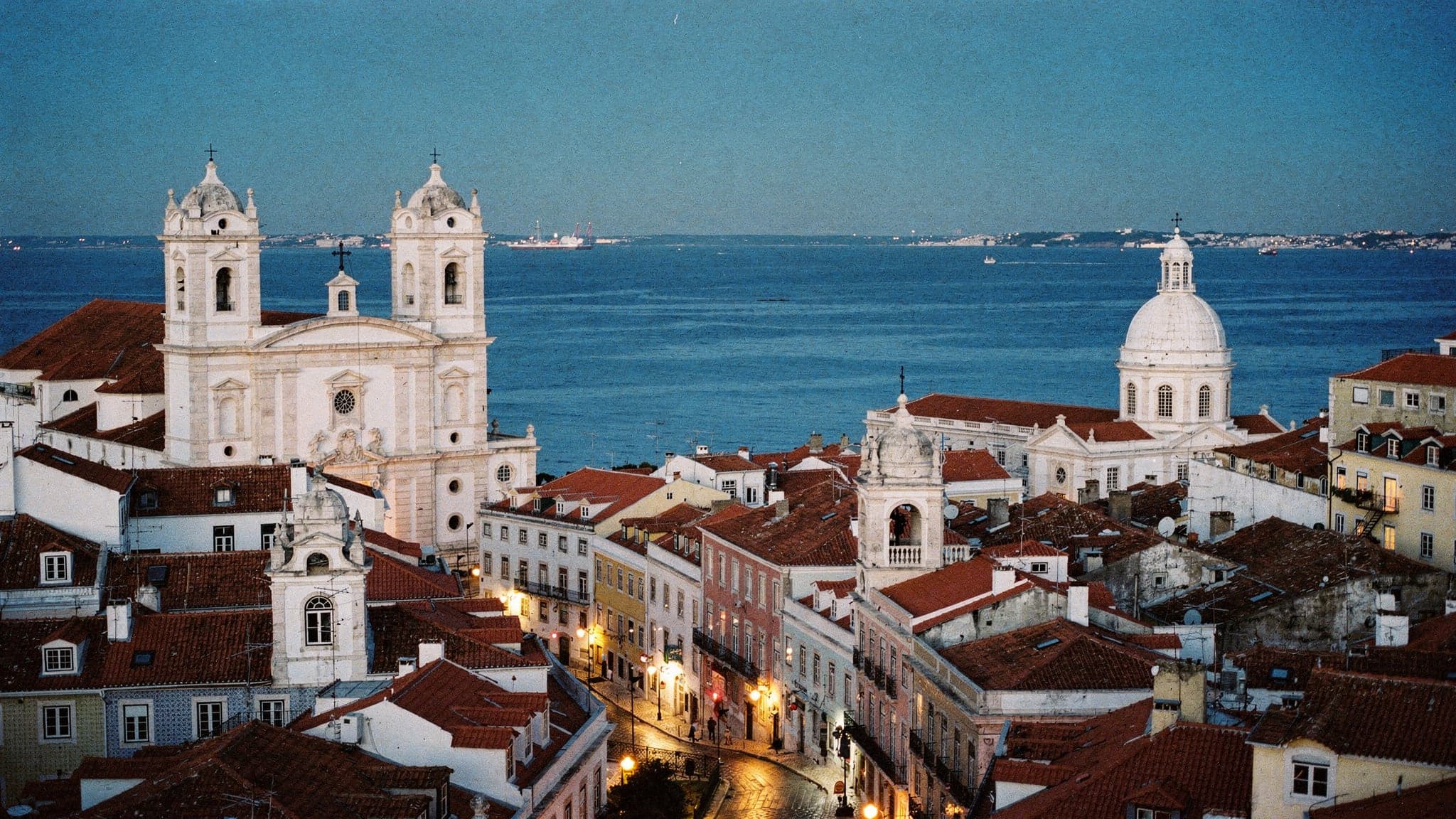
Portugal
Lisbon
Steep cobbled lanes, river light on tiled walls, and a counter espresso that still costs about a euro.
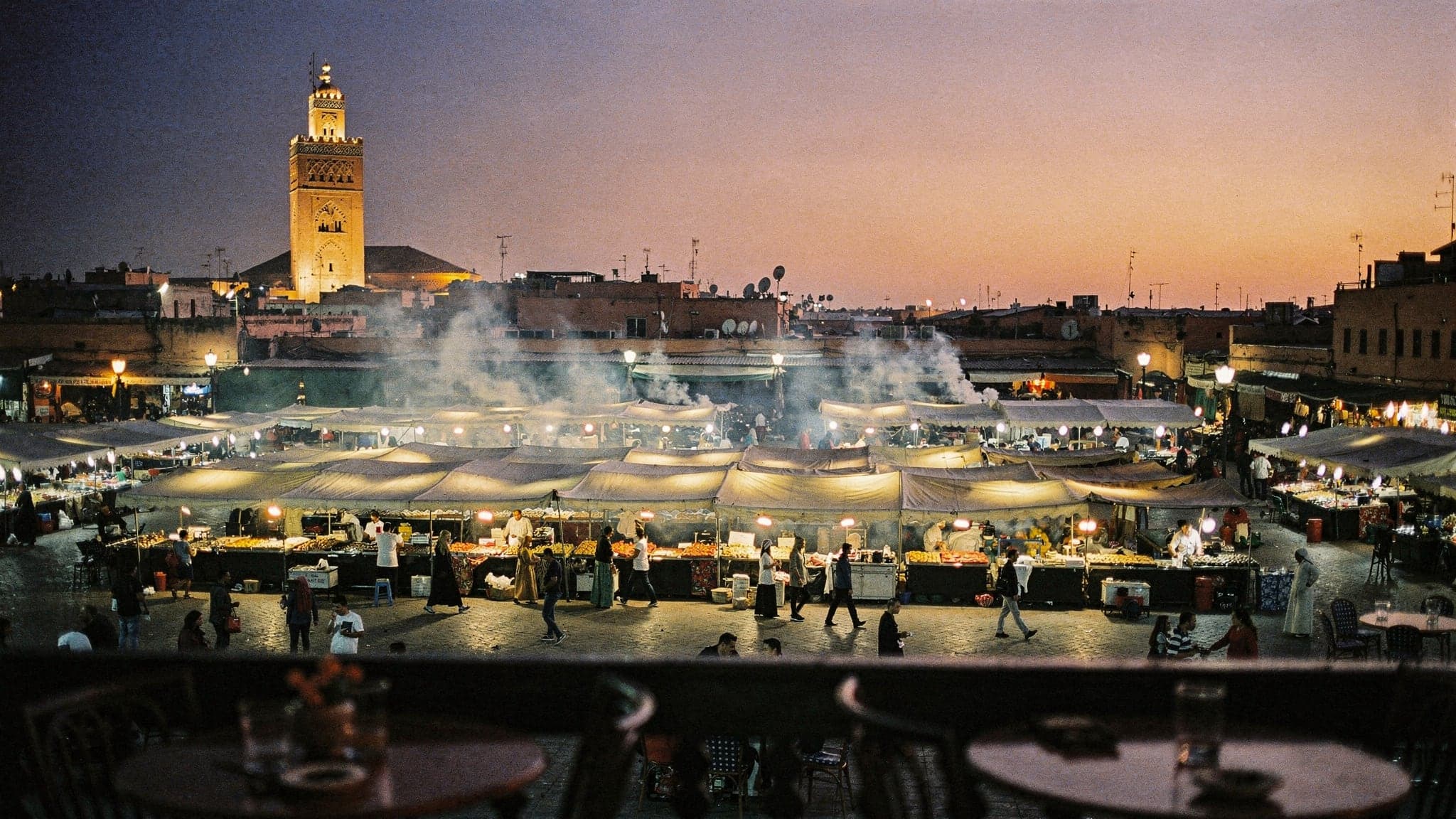
Morocco
Marrakech
Riad courtyards, a square that becomes an open-air kitchen at dusk, and Atlas snow above the rooftops in winter.

Costa Rica
Costa Rica
Two coasts, a spine of volcanoes, and wildlife that turns up before breakfast.
Book Cape Town
These links go to the booking sites we would use ourselves. Nothing here is currently sponsored.
Fast facts
- Currency
- South African rand (ZAR)
- Languages
- Afrikaans, English, isiXhosa
- Plugs
- Type C, D, M, N, 230 V, 50 Hz
- Time zone
- Johannesburg (GMT+2)
- Tap water
- Safe to drink
- Tipping
- 10–15% in restaurants; R5–R10 in cash for car guards and petrol attendants.
- Driving
- On the left
- Emergency
- 10111 police, 10177 ambulance, 112 from a mobile
- Dialing code
- +27
- Safety
- 2/5
When to go
Best: Feb–Mar.
Good for
- Culture & history4/5
- Food & drink4/5
- Nature & scenery5/5
- Adventure5/5
- Beaches4/5
- Nightlife4/5
- Romance4/5
- Family-friendly4/5
- Value for money4/5
- Big-city energy4/5
- Slow & restorative3/5
- Wildlife4/5