Portugal, Southern Europe
Porto
Granite lanes tumbling to the Douro, port lodges across the water, and a sandwich you eat with a knife and fork.
Illustration: Spike Travel (AI-assisted)

By Spike Travel Editorial Desk, Editorial team
Published Oct 12, 2026
Disclosure: No press trips, free stays or comps were involved. This is a researched briefing compiled from the official and published sources listed below; prices, rules and opening hours were checked on 12 October 2026. USD figures use the ECB rate of that day (€1 = $1.118).
- Best time
- Jun, Sep
- Daily budget
- $70–440
- Safety
- 4/5
- Strongest for
- Culture & history, Food & drink, Romance
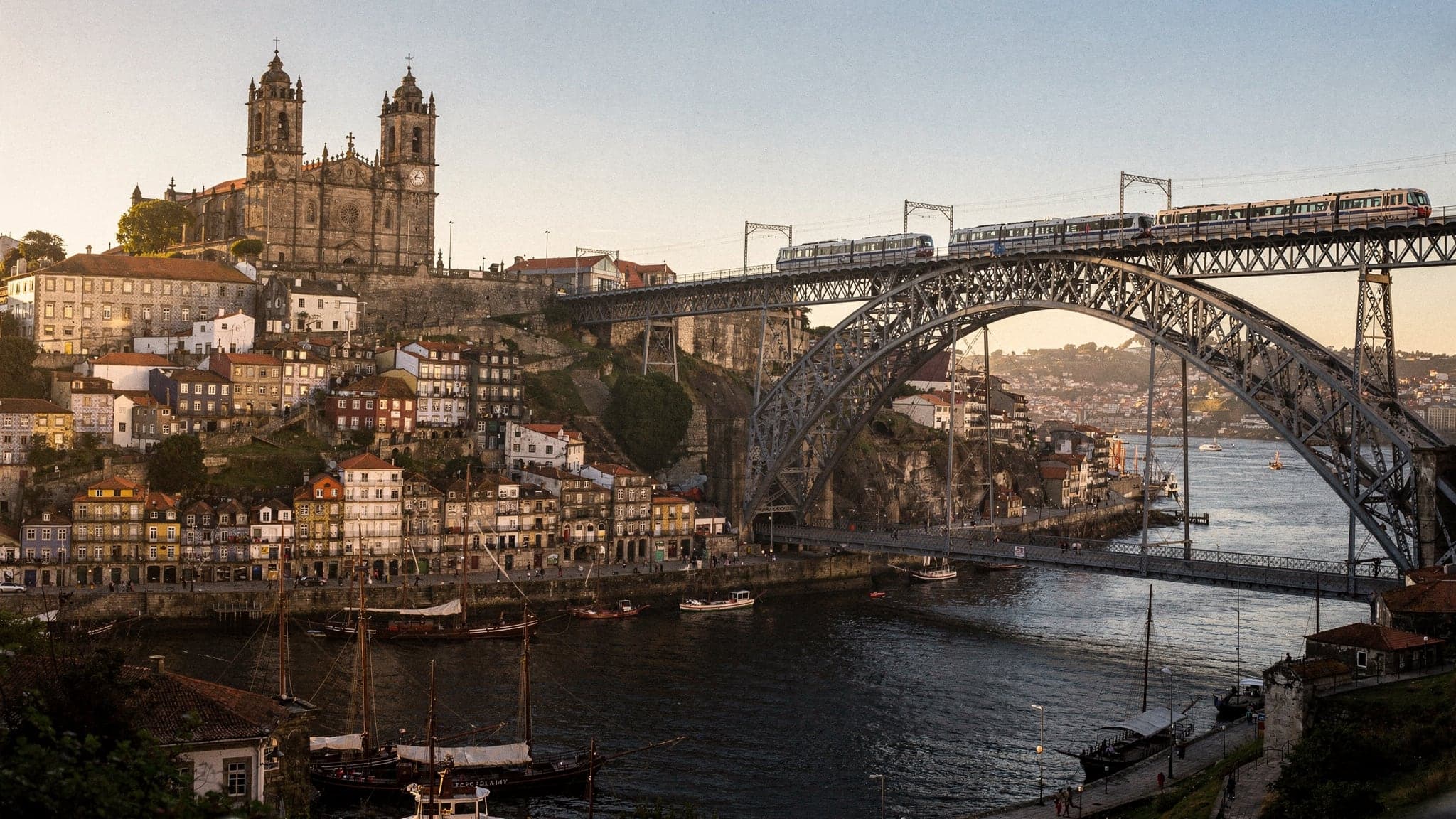
Porto stacks tiled houses up the north bank of the Douro, with the port lodges of Vila Nova de Gaia across the river. This dossier covers when to go in Portugal's wetter north, what things cost in 2026, where to stay, and how to see the Douro Valley without a car, plus the EU's new biometric border checks.
Why go
Porto is a granite city built up the side of a river gorge. Tiled houses stack up the north bank of the Douro, church walls glow blue and white with azulejos, and across the water in Vila Nova de Gaia the port lodges have been ageing wine in oak casks for centuries. It is smaller and wetter than Lisbon, and your money goes further.
Porto's people are nicknamed tripeiros, tripe-eaters, after a stew the city still serves, and its signature sandwich, the francesinha, is a glorious excess of bread, steak, sausage and ham under melted cheese and a spiced beer-and-tomato sauce. Life happens at street level: at the stalls of the Bolhão market, on the bar street of Rua da Galeria de Paris on a Friday night, and along the river at Foz as the sun drops into the Atlantic.
A long weekend is enough for the city. A week adds the Douro Valley, where the vineyards that supply those lodges climb the hillsides in terraces.
The lay of the land
Porto sits on the north bank of the Douro, about 5 km upriver from where it meets the Atlantic. The south bank is a separate city, Vila Nova de Gaia, where the port lodges crowd the waterfront and the slope behind it.
The historic centre, a UNESCO World Heritage Site since 1996, rises steeply from the riverside Ribeira to the Sé, the fortress-like cathedral on its hill. Above it, the Baixa is the 19th-century downtown: São Bento station, the Avenida dos Aliados with the city hall at its head, and the shopping street of Santa Catarina. West of the Baixa, Cedofeita and Rua Miguel Bombarda hold galleries and cafés. Further west, Boavista has the Casa da Música, and near the city's edge stands the Serralves museum and park. Foz do Douro and the fishing port of Matosinhos face the ocean.
The two decks of the Dom Luís I bridge link the Ribeira and Gaia. The upper deck carries metro line D and pedestrians at the height of the Sé and the Serra do Pilar monastery; the lower deck carries cars and pedestrians at river level. If you get lost, the river is south and downhill.
Areas at a glance
Ribeira and Sé$$$$
The UNESCO-listed core: stepped lanes, river quays and the cathedral on its hill
Best for: Views and atmosphere, if you can handle stairs and noise
Baixa and Aliados$$$$
The 19th-century downtown around São Bento, the Avenida dos Aliados and Santa Catarina
Best for: First-timers and easy metro access
Cedofeita and Miguel Bombarda$$$$
Gallery street, independent shops and cafés just west of the centre
Best for: Budget stays and a more local feel
Bonfim$$$$
Residential east side where old workshops are turning into cafés and studios
Best for: Longer stays and lower prices
Vila Nova de Gaia riverside$$$$
Port lodges on the south bank, facing the best view of Porto
Best for: Wine lovers and quieter nights
Foz do Douro$$$$
Seaside district of promenades, villas and restaurants where the river meets the Atlantic
Best for: Sea air and a slower pace, at a half-hour ride from the sights
Boavista$$$$
Business district around the Casa da Música roundabout
Best for: Concert-goers and business trips
When to go
Porto is milder in summer and much wetter than Lisbon. IPMA's 1991–2020 normals for the city's airport station give average highs of 14 °C in January and 24.8 °C in August, and about 1,147 mm of rain a year, roughly 45% more than Lisbon. Each month from October to January brings around 150 mm or more.
June to September are the dependable months. June has São João, the city's great party, on the night of 23 to 24 June: grilled sardines, pots of basil, plastic hammers tapped on strangers' heads and fireworks over the Douro at midnight, after which crowds drift toward the sea at Foz to see in the dawn. Book rooms months ahead. September brings the grape harvest in the Douro Valley, the best time for a wine day, and settled weather in town.
High summer is warm rather than hot. The airport station averages only about three days above 30 °C in each of July and August, and Atlantic mist sometimes hangs over the coast in the morning. Winter is cheap and quiet, with lows of 6 to 8 °C and long spells of rain blown in off the ocean.
Porto month by month
Best: Jun, Sep. Bars show our 1–5 rating; numbers are average daily highs in °C. The outlined bar is this month.
Month-by-month table
| Month | Rating | High / low °C | Rain mm | Note |
|---|---|---|---|---|
| January | 2/5 | 14 / 6 | 151 | Cold, wet and cheap; one of the three wettest months |
| February | 2/5 | 15 / 7 | 98 | Damp and quiet, with nights around 7 °C |
| March | 3/5 | 17 / 9 | 101 | Rain eases a little; quiet streets |
| April | 3/5 | 18 / 10 | 96 | Easter week is busy; still showery |
| May | 4/5 | 20 / 12 | 86 | Green and mild; Serralves em Festa usually falls in late May or early June |
| June | 5/5 | 23 / 15 | 34 | São João on the night of 23–24 June: sardines, plastic hammers and fireworks over the Douro |
| July | 4/5 | 24 / 16 | 17 | Warm rather than hot, about three days above 30 °C |
| August | 4/5 | 25 / 16 | 29 | Busiest month; the Atlantic stays cold |
| September | 5/5 | 24 / 15 | 68 | Grape harvest in the Douro Valley; settled weather in town |
| October | 3/5 | 21 / 13 | 149 | Heavy rain returns; the harvest wraps up |
| November | 2/5 | 17 / 9 | 166 | Wettest month; roast chestnuts and new wine for São Martinho on 11 November |
| December | 2/5 | 15 / 8 | 153 | Christmas lights in the Baixa; New Year's Eve party on the Avenida dos Aliados |
June to September is the dependable window, with highs of 23–25 °C and little rain. Late June brings São João, the city's all-night street party, and September the Douro grape harvest. From October to January each month brings around 150 mm of rain or more, but rooms are cheap and the city is quiet.
What it costs
Porto undercuts Lisbon at almost every level. Numbeo's crowd-sourced averages put a cheap restaurant meal at about €12 and a three-course dinner for two at about €50, a few euros below Lisbon. Beds cost less too. Hostelworld lists dorm beds from around €14–22, and a 3-star double runs roughly €80–130 outside June and August. The city charges a tourist tax of €3 per person per night for up to seven nights, and under-13s are exempt.
An Andante card costs €0.60, a Z2 trip within the city €1.40, and a ride from the airport, in zone Z4, €2.30. The Andante Tour pass costs €7.75 for 24 hours or €16.55 for 72 and covers metro, STCP buses and suburban trains across the network. The heritage trams sit outside that system and charge €6 for a ticket bought on board.
Paid sights are modest. Livraria Lello's €15.95 ticket doubles as a voucher against a book. The Torre dos Clérigos costs €10 with its museum. The Palácio da Bolsa's compulsory guided tour is €14, and Serralves charges €24 for everything or €15 for the park alone. Port lodge tours with a tasting generally run €20–35, depending on the house and the wines poured.
Loading tool…
What a day costs
Shoestring
$70
per person, per day, no flights
Mid-range
$160
per person, per day, no flights
Luxury
$440
per person, per day, no flights
Shoestring buys a dorm bed (about €15–25), the €3 tourist tax, an Andante Tour pass, bakery breakfasts, a sandwich-counter lunch and one paid sight. Mid-range covers half a 3-star double, two sit-down meals with wine, a port lodge tasting and the odd taxi. Luxury means a five-star room on the river, tasting menus and a private driver for the Douro.
| Item | Local price | ≈ USD | Note |
|---|---|---|---|
| Espresso (um cimbalino) at the counter | €0.80–1.20 | $1.1 | Typical counter price across Portugal; terrace tables cost more |
| Small draught beer (um fino) | €1.50–2.50 | $2.2 | Neighbourhood bar range, crowd-sourced; riverside terraces charge more |
| Bifana or sandes de pernil at a counter | €3–6 | $5 | Typical counter range (estimate, not checked shop by shop) |
| Cheap restaurant meal | €12 | $13.4 | Numbeo crowd-sourced average (range €9–20) |
| Mid-range dinner for two (three courses, no wine) | €50 | $56 | Numbeo crowd-sourced average (range €35–75) |
| Metro ride within the city (Z2) | €1.40 | $1.6 | Valid 1 hour from first validation; reusable Andante card €0.60 |
| Metro from the airport (Z4) | €2.30 | $2.6 | Plus €0.60 for the Andante card |
| Andante Tour pass, 24 hours | €7.75 | $8.7 | €16.55 for 72 hours; metro, STCP buses and suburban trains |
| Heritage tram ticket bought on board | €6 | $6.7 | Children aged 4–12 €3.50 |
| Taxi, airport to centre | €25–30 | $31 | Typical metered fare; ride-hail apps are often cheaper |
| Hostel dorm bed | €15–25 | $22 | Hostelworld listings start around €14–22; June and August run higher |
| 3-star double room | €80–130 | $118 | Estimate outside June and August; INE's national average room rate across all hotel classes was €97.80 in November 2025 |
| Livraria Lello ticket-voucher | €15.95 | $17.8 | Deductible from the price of a book |
| Port lodge tour with tasting | €20–35 | $31 | Depends on the house and the wines poured |
| Tourist eSIM (Vodafone, 30 GB for 15 days) | €20 | $22.4 | |
| Municipal tourist tax | €3 per person per night | $3.4 | First 7 nights; under-13s exempt |
Prices verified Oct 12, 2026. Exchange rates move; treat USD as a guide.
Build a budget for PortoGetting there and around
Francisco Sá Carneiro Airport (OPO) is about 11 km north of the centre. Metro line E (violet) runs from the terminal to the Trindade interchange in about half an hour, every 20 to 30 minutes depending on the day and hour. Buy a reusable Andante card (€0.60) and a Z4 ticket (€2.30) at the machines, and validate before every ride, transfers included. A taxi to the centre typically costs €25–30, and Uber and Bolt operate.
From Lisbon, the Alfa Pendular takes about three hours to Campanhã, Porto's main station, with standard 2026 one-way fares from €35.70 in Turística. Regional and suburban trains to Guimarães, Braga and the Douro Valley leave from São Bento in the centre, and many call at Campanhã on the way out.
The metro has six lines (A to F) on step-free light-rail trains, running mostly above ground outside the centre. A seventh, the Pink line between São Bento and Casa da Música, began test runs in October 2026 and is due to open by the end of March 2027. STCP buses cover the rest, and drivers sell on-board tickets (€2.50) that you can pay for by contactless card. Three heritage tram lines survive: line 1 along the river from Infante to Passeio Alegre in Foz, line 18 from Massarelos up to Carmo, and line 22 on a loop between Carmo and Batalha. Treat them as a sightseeing ride; the metro and buses are quicker for getting anywhere.
Walking is the way to see the centre, and it is steep. The climb from the Ribeira to the Sé or to São Bento is short and hard. Cross on the bridge's upper deck, take the metro a stop, or grab a taxi uphill if your knees object.
Arriving and moving around
- OPOFrancisco Sá Carneiro Airport (Porto). To the centre: Metro line E (violet) to Trindade in about 30 min, every 20–30 min; Z4 ticket €2.30 plus €0.60 Andante card. Taxi about €25–30; Uber and Bolt operate.
Buy a reusable Andante card (€0.60) at any metro machine and load single tickets by zone (Z2 €1.40 covers most of the city; the airport is Z4 at €2.30), a 24-hour Andante 24 ticket, or the Andante Tour pass (€7.75 for 24 hours, €16.55 for 72) that covers metro, STCP buses and suburban trains. Validate every time you board, including on transfers. The metro's six lines run mostly above ground outside the centre on step-free light-rail trains; the Pink line between São Bento and Casa da Música is in testing and due by the end of March 2027. Heritage trams 1, 18 and 22 charge €6 on board and are for sightseeing more than transport. Uber and Bolt are widely used. The centre is compact and very steep; the upper deck of the Dom Luís I bridge, the metro and a taxi up from the Ribeira save the worst climbs. Regional trains to the Douro Valley, Guimarães and Braga leave from São Bento.
Where to stay
The Ribeira and the Sé put you inside the postcard. Expect steep stepped lanes, crowds by day, noise at night and almost no cars. Pestana Vintage Porto fills a row of old buildings on the Ribeira waterfront.
The Baixa, around Aliados, São Bento and Santa Catarina, is the practical base. It is close to the metro and a little less steep. The Grande Hotel do Porto on Rua de Santa Catarina is one of the city's oldest hotels.
Cedofeita and the Miguel Bombarda gallery street are cheaper and calmer while still walkable to the Baixa, and Gallery Hostel there has private rooms as well as dorms. Bonfim, east of the centre, is residential and changing fast, with lower prices. Across the river, the Gaia waterfront is quieter at night and has the view of Porto itself; The Yeatman, a wine-themed luxury hotel above the lodges, looks straight across at the Ribeira. Foz do Douro is for sea air and long walks, at the cost of a half-hour ride to the sights. Pestana Palácio do Freixo, an 18th-century palace on the river east of the centre, is the unusual splurge.
Check for late bars below before you book a river-view room in the Ribeira, and think twice about Gaia's hilltop streets if you plan to walk everywhere.
Places we'd book
- Check rates
Gallery HostelBudgetCedofeita
Budget base on the Rua Miguel Bombarda gallery street, with dorms and private rooms, all with their own showers.
- Check rates
Grande Hotel do PortoMid-rangeBaixa
One of the city's oldest hotels, on the pedestrian shopping street of Santa Catarina near Bolhão.
- Check rates
Pestana Vintage PortoLuxuryRibeira
A row of old buildings on the Ribeira waterfront turned into a hotel, with river-view rooms.
- Check rates
The YeatmanLuxuryVila Nova de Gaia
Wine-themed luxury hotel above the port lodges, with terraces facing the Ribeira and a Michelin-starred restaurant.
- Check rates
Pestana Palácio do FreixoSomething differentCampanhã riverside
An 18th-century palace and national monument on the river east of the centre, run as a pousada.
What to do
Begin at São Bento station, where blue-and-white tile panels by Jorge Colaço cover the entrance hall with scenes from Portuguese history. Walk down to the Sé for the view from its terrace, then get lost in the Ribeira's stepped lanes before you come out on the quay.
Cross the Dom Luís I bridge on the upper deck at sunset to the Jardim do Morro and the Serra do Pilar viewpoint, and watch the old town turn gold across the water. Below, the port lodges run tours with tastings. Graham's has used its lodge high above the river since 1890, and Taylor's sits uphill from the waterfront. Both fill up in summer, so reserve a morning slot.
The big indoor sights sit close together. Livraria Lello's carved staircase draws queues that start before opening, and tickets are timed. The Torre dos Clérigos has 225 steps to a view over the rooftops. The Palácio da Bolsa's guided tour ends in the Arab Room, a Moorish-revival hall of gilded stucco, and the Igreja de São Francisco next door hides a gilded Baroque interior behind a plain Gothic front.
Head west for modern Porto. Rem Koolhaas's Casa da Música concert hall stands at Boavista, and further out, Serralves sets Álvaro Siza's contemporary art museum in a park of gardens and woodland with a treetop walk. Then ride tram 1 along the river to Foz, walk the seafront north to Matosinhos, and eat grilled fish at one of the restaurants around Rua Heróis de França, where charcoal grills smoke on the pavement.
Other day trips are just as easy by train. Guimarães, with its castle and medieval centre, is about 75 minutes from São Bento, and Braga, with the Bom Jesus stairway and its water-powered funicular, about an hour. Organised Douro tours by road visit more quintas, but they spend close to four hours on the road.
The shortlist
São Bento stationSee
The early-20th-century railway station whose entrance hall is covered in blue-and-white azulejo panels by Jorge Colaço showing scenes from Portuguese history.
Free. It is a working station, busiest at rush hour; trains to the Douro, Guimarães and Braga leave from here.
The Ribeira and the Dom Luís I bridgeDo
Walk the riverside quay, then cross the bridge's upper deck to the Jardim do Morro and the Serra do Pilar viewpoint in Gaia to watch the sun set over the old town.
Free. The upper deck is shared with metro line D, so keep to the pedestrian lanes.
Port lodges in Vila Nova de GaiaExperience
Cellar tours with tastings at the houses that age port on the south bank. Graham's has used its lodge high above the river since 1890; Taylor's sits uphill from the waterfront.
Tours with tastings generally €20–35 depending on the house and wines; book a morning slot in summer.
Book ticketsLivraria LelloSee
The neo-Gothic bookshop with a carved red staircase and a stained-glass skylight, and crowds to match.
€15.95 ticket-voucher, deductible from a book; timed entry. Go at opening.
Book ticketsTorre dos ClérigosSee
Nicolau Nasoni's Baroque bell tower, the city's landmark since 1763, with 225 steps up to a view over the rooftops and the river.
€10 for tower and museum, daily 9:00–19:00 (last entry 30 minutes before closing); €5 night visits on special dates only.
Book ticketsPalácio da BolsaSee
The 19th-century stock-exchange palace, seen only on guided tours that end in the Arab Room, a Moorish-revival hall of gilded stucco.
€14; compulsory guided tour of about 30 minutes.
Book ticketsSerralvesSee
Álvaro Siza's contemporary art museum set in a large park of gardens and woodland, with an Art Deco villa and a treetop walk.
€24 for all spaces, €15 for the park only; Monday–Thursday from 17:00 a late ticket costs €15.
Book ticketsMercado do BolhãoEat
The city's historic market hall, restored and reopened in 2022, with produce stalls, flower sellers and small food counters.
Free entry; Monday–Friday 8:00–20:00, Saturday 8:00–18:00, closed Sundays and holidays.
Tram 1 to Foz and grilled fish in MatosinhosEat
Ride the heritage tram along the river to Foz, walk the seafront north to Matosinhos, and eat charcoal-grilled fish on and around Rua Heróis de França.
Tram €6 on board. Fish is often priced by the kilo, so ask before you order.
Douro ValleyDay trip
Terraced vineyards that climb the hillsides along the river around Régua and Pinhão, where the grapes for port are grown.
Train from São Bento to Pinhão about 2.5 hours, roughly €7–13 one way; road tours spend close to four hours driving.
Book ticketsGuimarães and BragaDay trip
Guimarães has a castle and a medieval centre; Braga has churches and the Bom Jesus stairway with its water-powered funicular.
Trains from São Bento: Guimarães about 75 minutes, Braga about an hour.
Eat and drink
Porto food is hearty and meat-forward, with the sea a tram ride away. The francesinha comes with chips and is eaten with a knife and fork. Café Santiago on Rua de Passos Manuel and Bufete Fase on Rua de Santa Catarina are the long-running references, and Santiago often has a queue at lunch.
Sandwiches are a local strength. Casa Guedes near Praça dos Poveiros sells roast-pork sandes de pernil, best with soft Serra da Estrela cheese. Conga on Rua do Bonjardim is the bifana counter, and Cervejaria Gazela serves cachorrinhos, small crisp hot-dog sandwiches, at its bar. Tripas à moda do Porto, tripe stewed with white beans and sausage, is the dish behind the tripeiro nickname. In Matosinhos, O Gaveto is a long-standing seafood house.
The Mercado do Bolhão reopened in 2022 after a long restoration, and it now mixes produce stalls with small food counters. It opens Monday to Saturday and closes on Sundays and public holidays.
Port is the obvious drink. White port with tonic over ice is the local summer aperitif, while tawnies and vintage ports come out after dinner. In a café, a cimbalino is the old Porto word for an espresso; at the bar, a fino is a small draught beer. Vinho verde, from the Minho to the north, is the house white almost everywhere. The couvert, the bread, olives or cheese set down unasked, is charged if you eat it. Tipping is optional: 5 to 10% for good service at a sit-down restaurant.
Order this
Francesinha
Bread, steak, sausage and ham under melted cheese and a spiced beer-and-tomato sauce, usually with chips.
Try it at: Café Santiago on Rua de Passos Manuel; Bufete Fase on Rua de Santa Catarina
Sandes de pernil
Slow-roast pork sandwich, best with soft Serra da Estrela cheese.
Try it at: Casa Guedes near Praça dos Poveiros
Bifana
Thin pork steak cooked in a garlicky, peppery sauce and served in a soft roll.
Try it at: Conga on Rua do Bonjardim
Cachorrinho
Small, crisp hot-dog sandwich with cheese and a spicy sauce, cut into bite-sized pieces.
Try it at: Cervejaria Gazela
Tripas à moda do Porto
Tripe stewed with white beans and sausage, the dish behind the tripeiro nickname.
Try it at: Traditional tascas in the Baixa and Ribeira
Grilled fish and seafood
Sardines, sea bass and other fish grilled over charcoal, often priced by the kilo.
Try it at: Rua Heróis de França in Matosinhos; O Gaveto, a long-standing seafood house nearby
Port wine
White port with tonic as a summer aperitif; tawny and vintage ports after dinner.
Try it at: The lodges of Vila Nova de Gaia, including Graham's and Taylor's
Practicalities
Money and cards. Contactless works almost everywhere, though small cafés and market stalls may prefer cash. Use ATMs attached to Portuguese banks (Multibanco), avoid standalone Euronet machines, and decline any offer to charge you in your home currency.
Data. EU and EEA SIM cards roam at home rates. Others can buy Vodafone Portugal's tourist eSIM, €20 for 30 GB over 15 days.
Water and power. Tap water is safe to drink. Sockets are types C and F at 230 V, 50 Hz.
Safety. Pickpockets work the Ribeira, São Bento, Santa Catarina and crowded metro cars. Canada's advice warns that thieves target cars with rental stickers or foreign plates, so leave nothing inside, boot included, on Douro road trips. In summer, wildfires can affect inland areas, including the Douro region; Smartraveller points travellers to IPMA and the civil protection authority for warnings. The emergency number is 112, and you should carry photo ID.
Etiquette and phrases. Greet with bom dia or boa tarde, say obrigado (men) or obrigada (women) for thank you, and ask for a conta, por favor when you want the bill. Ordering um fino and um cimbalino marks you out as someone who did their homework.
LGBTQ+. Portugal's legal protections apply here as in Lisbon, including same-sex marriage since 2010. Porto's scene is smaller than Lisbon's, and the city holds a Pride march each summer.
Accessibility. The centre is steep, stepped and cobbled, and the Ribeira is hard going with a wheelchair or pushchair. The metro is step-free and the most accessible way around; the heritage trams are not.
Entry rules by passport
| Passport | Rule | Max stay | Notes | Checked |
|---|---|---|---|---|
| United States | Visa-free | 90 days in any 180 (counted across the whole Schengen area) | Passport must be valid at least 3 months beyond your planned departure from the Schengen area and issued within the previous 10 years; the State Department also asks for 2 blank pages. The EU Entry/Exit System (EES) has been fully operational since 10 April 2026, so expect fingerprints and a face photo at your first entry (free; the record lasts 3 years). ETIAS is not yet in operation and takes no applications; the EU says it will announce a start date several months ahead (checked 12 October 2026). Under-18s travelling with adults other than their parents need a notarised parental consent letter. | Oct 12, 2026 |
| United Kingdom | Visa-free | 90 days in any 180 (counted across the whole Schengen area) | Your passport must have been issued less than 10 years before the day you arrive and be valid for at least 3 months after the day you plan to leave. Border staff may ask for a return or onward ticket and proof of funds. EES registration (fingerprints and photo, free) happens at your first entry; children aged 11 or under are not fingerprinted. ETIAS is not yet operating (checked 12 October 2026). Under-18s travelling alone or with a non-parent need a certified authorisation letter. | Oct 12, 2026 |
| EU/Schengen | No visa: freedom of movement | Unlimited; register after 3 months | Travel on a valid passport or national ID card; it must be valid on the day of travel. EU, EEA and Swiss citizens are not registered in the EES and will not need ETIAS. Staying beyond 3 months means requesting a registration certificate (CRUE) from the câmara municipal where you live. Carry photo ID while in Portugal. | Oct 12, 2026 |
| Canada | Visa-free | 90 days in any 180 (counted across the whole Schengen area) | Passport must be valid at least 3 months beyond the date you expect to leave the Schengen area (airlines may demand more) and issued within the previous 10 years. EES records your face and fingerprints on entry; no action is needed before you travel. ETIAS applications are not yet open; when they are, apply only through the EU's official site. Canada's advice was last updated 11 August 2026. | Oct 12, 2026 |
| Australia | Visa-free | 90 days in any 180 (counted across the whole Schengen area) | Portugal is not one of the Schengen countries with a bilateral visa-waiver agreement with Australia, so the 90-day limit cannot be stretched that way here. Passport must be valid at least 3 months beyond departure and issued within the previous 10 years. EES biometric registration at the border is free and needs no pre-registration. ETIAS is not yet operating (checked 12 October 2026). | Oct 12, 2026 |
Entry rules change without notice. Confirm with the official source linked in the Checked column before you travel.
Safety: 4/5
Porto is a low-risk city. The US, Canadian and Australian governments all keep Portugal at their lowest advisory level (checked 12 October 2026). Pickpockets work the Ribeira, São Bento, Santa Catarina and crowded metro cars, and thieves break into cars with rental stickers or foreign plates, a risk on Douro road trips. Rip currents are common at Atlantic beaches, so obey the flags. In summer, wildfires can affect inland areas, including the Douro region. Call 112 in an emergency.
- Pickpockets in the Livraria Lello and Clérigos queues and along the Ribeira quay
- Couvert: bread, olives or cheese set down unasked are charged if you eat them; send them back if you don't want them
- Standalone Euronet ATMs with high fees and 'pay in your home currency' prompts; use a bank's Multibanco machine and decline the conversion
- Rental-car break-ins: thieves target cars with rental stickers or foreign plates, so leave nothing inside, boot included
Fast facts
- Currency
- Euro (EUR)
- Languages
- Portuguese
- Plugs
- Type C, F, 230 V, 50 Hz
- Time zone
- Lisbon (GMT+1)
- Tap water
- Safe to drink
- Tipping
- Optional. Round up in cafés; 5–10% for good service at sit-down restaurants.
- Driving
- On the right
- Emergency
- 112
- Dialing code
- +351
- Safety
- 4/5
What nobody tells you
It rains, a lot. Porto gets roughly 45% more rain than Lisbon, most of it between October and January, and the granite paving turns slick. Pack a hooded rain jacket for any trip from autumn to spring; umbrellas struggle in the wind off the river.
Most of what you want to see sits at the top or the bottom of a steep street, and the walk back up from the Ribeira after dinner is a workout.
Livraria Lello is a textbook queue. The staircase is beautiful, the shop is small, and timed tickets still mean shoulder-to-shoulder crowds by mid-morning. Go at opening, or admire the façade and move on.
The Ribeira waterfront charges for its view. Restaurants with touts and photo menus crowd the quay. Walk two streets uphill and prices fall.
Café Majestic, the 1921 Belle Époque café on Santa Catarina, is lovely and expensive, and many people in the queue are there for a photo. Have one drink, look up at the ceiling, and eat somewhere else.
Day tours to the Douro are long. Most spend close to four hours on the road for a few hours among the vineyards. The train, a night in Pinhão or a river cruise leg makes the trip gentler.
São João is a joy and a crush. The night of 23 June is loud, packed and sleepless across the centre, rooms sell out months ahead, and someone will hit you on the head with a plastic hammer. Smile; everyone else is getting the same treatment.
And even in August, the Atlantic off Foz and Matosinhos is cold enough to make you gasp.
Insider tips
- Each traveller needs their own Andante card (€0.60). The airport is zone Z4, so buy a €2.30 ticket for that first ride.
- Validate your Andante card every time you board, including on transfers within the hour.
- Livraria Lello's €15.95 ticket is a voucher: put it toward a book and the visit costs you nothing extra.
- Serralves sells a late-afternoon ticket (Monday to Thursday from 17:00) for €15 instead of €24.
- The Torre dos Clérigos runs night visits (€5) only on special dates around Easter, summer and Christmas.
- Mercado do Bolhão is closed on Sundays and public holidays, so plan market breakfasts for weekdays.
- Cross the Dom Luís I bridge on the upper deck at sunset, walk down through Gaia to the lodges, and come back over the lower deck.
- Order a cimbalino for an espresso and a fino for a small draught beer.
Skip it
- Livraria Lello between mid-morning and late afternoon in summer: timed tickets still mean shoulder-to-shoulder crowds.
- Restaurants on the Ribeira quay with touts and photo menus: you pay for the view, and prices fall two streets uphill.
- A full meal at Café Majestic: the room is lovely, but you pay for it. Have one coffee instead.
- Driving into the Ribeira and Sé: steep one-way lanes and almost no parking. Pick up a hire car when you leave the city.
- Swimming at city beaches when a red flag is up: Atlantic rip currents are strong.
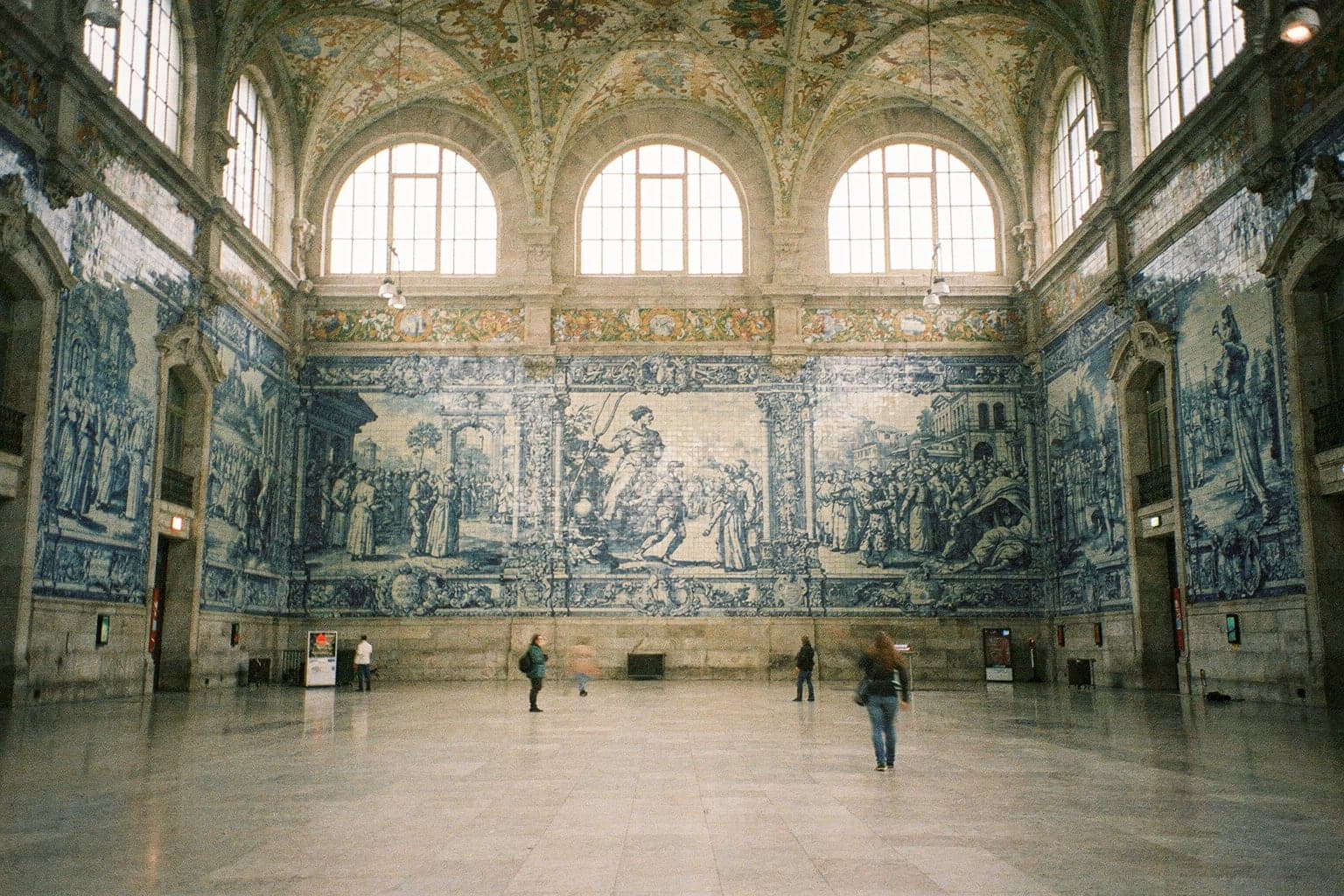
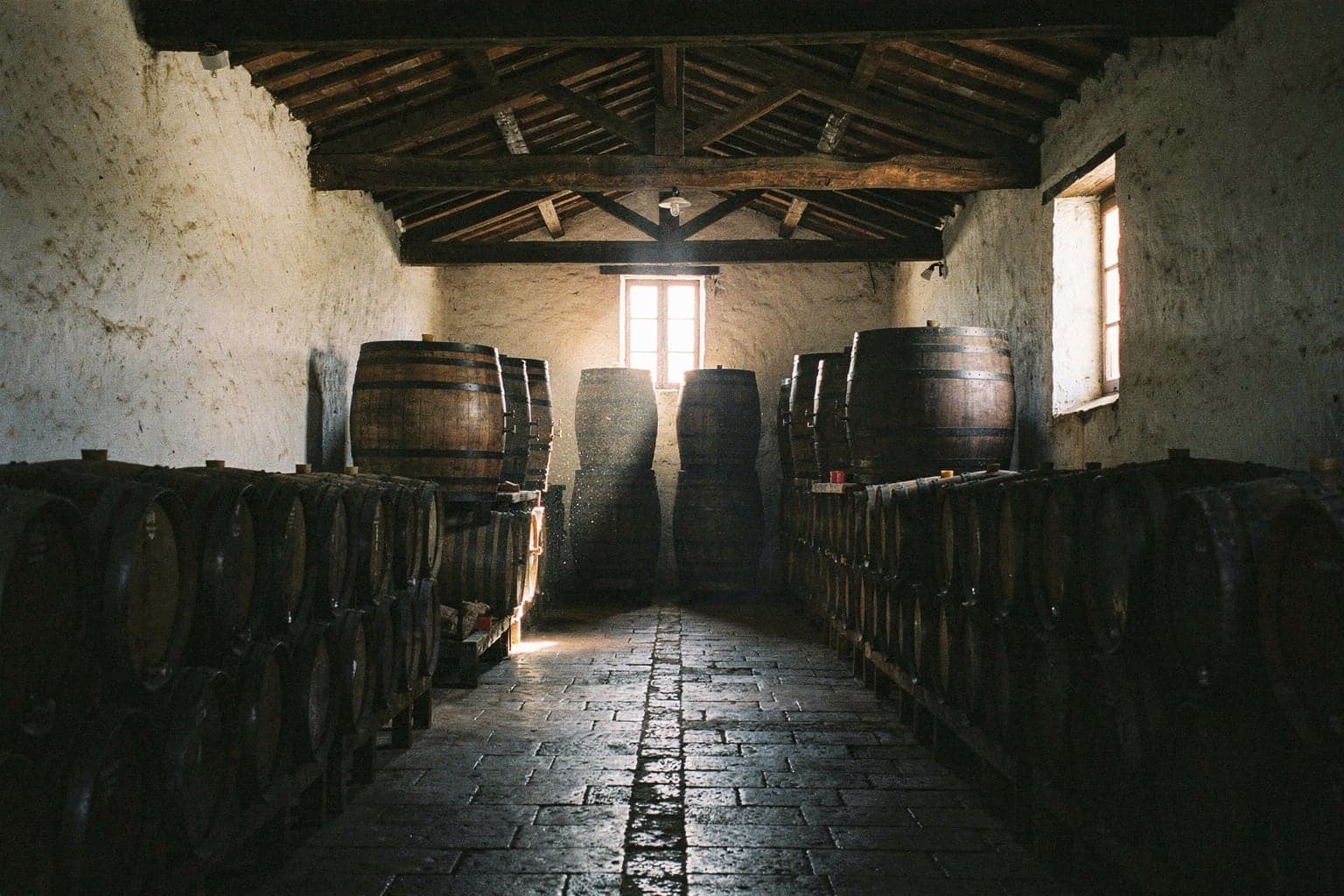
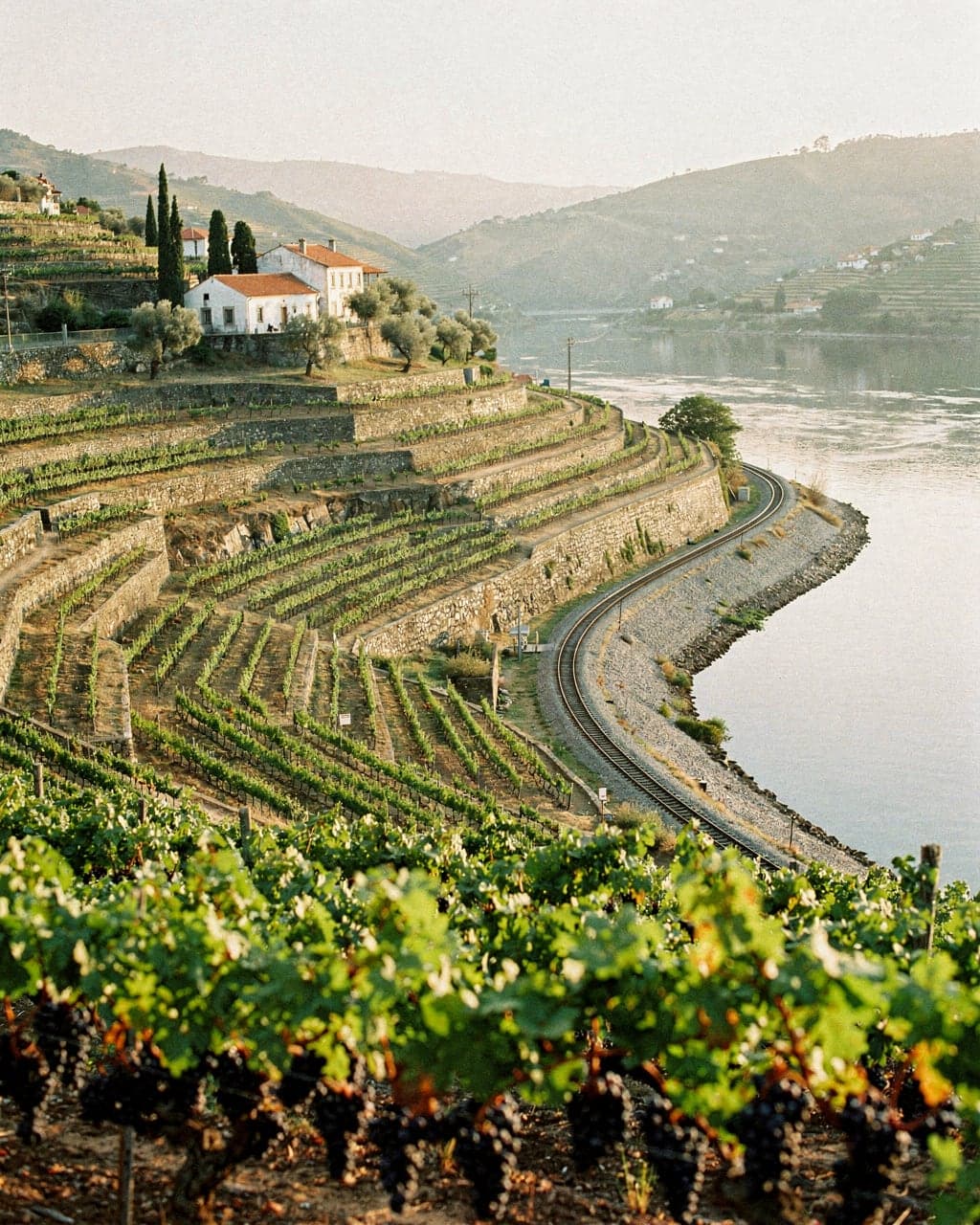
Illustration: Spike Travel (AI-assisted)
Questions people ask
Is Porto worth visiting if I've already been to Lisbon?
Yes. Porto has a different character: smaller and rainier, with its own food, the port lodges across the river and the Douro Valley on its doorstep. The two cities are about three hours apart by Alfa Pendular train, so many travellers combine them.
How many days do I need in Porto?
Two full days cover the Ribeira, the Baixa, the bridge and a port lodge. Add a third for Serralves, Foz and Matosinhos, and a fourth for the Douro Valley or Guimarães and Braga.
Is Porto safe?
Yes. Violent crime against visitors is uncommon and Portugal sits at the lowest advisory level for the US, Canada and Australia. Watch for pickpockets in the Ribeira and in queues, leave nothing in parked cars, and obey beach flags.
How do I get from Porto airport to the city centre?
Take metro line E (violet) from the terminal to Trindade, about 30 minutes, every 20 to 30 minutes. You need an Andante card (€0.60) and a Z4 ticket (€2.30). A taxi costs about €25–30, and Uber and Bolt operate.
Can I visit the Douro Valley without a car?
Yes. Trains from São Bento reach Pinhão in about two and a half hours, the last stretch beside the river, for roughly €7–13 one way. From June to October CP also runs a historic train on part of the line (€60 for adults). Organised tours by road visit more quintas but spend close to four hours driving.
When is the São João festival in Porto?
On the night of 23 to 24 June every year. Expect grilled sardines, plastic hammers, fireworks over the Douro at midnight and crowds until dawn; 24 June is a city holiday. Book accommodation months ahead.
Do I need ETIAS to visit Porto in 2026?
No. As of 12 October 2026 ETIAS is not in operation and takes no applications; the EU says it will give several months' notice of the start date. Since 10 April 2026, non-EU visitors register fingerprints and a face photo in the free Entry/Exit System at their first Schengen entry.
Sources
Where the facts on this page come from. Dates show when we last checked each one.
- IPMA: Normal Climatológica Porto / Pedras Rubras 1991–2020accessed Oct 12, 2026
- IPMA: Normal Climatológica Lisboa / Instituto Geofísico 1991–2020 (for the rainfall comparison)accessed Oct 12, 2026
- European Union: ETIAS official website (status: not in operation)accessed Oct 12, 2026
- European Commission: The Entry/Exit System is fully operational since 10 April 2026accessed Oct 12, 2026
- US State Department: Portugal travel advisory and entry requirementsaccessed Oct 12, 2026
- GOV.UK: Portugal entry requirementsaccessed Oct 12, 2026
- Government of Canada: Travel advice for Portugalaccessed Oct 12, 2026
- Smartraveller: Portugal travel adviceaccessed Oct 12, 2026
- Smartraveller: Travelling to Europe and the Schengen Area (bilateral visa waivers)accessed Oct 12, 2026
- Your Europe: Travel documents for EU citizensaccessed Oct 12, 2026
- AIMA: Registration certificate for EU nationalsaccessed Oct 12, 2026
- Metro do Porto: Prices (Andante tickets from 1 January 2026)accessed Oct 12, 2026
- Andante: Andante Touraccessed Oct 12, 2026
- Porto Airport: Public transportationaccessed Oct 12, 2026
- STCP: Linha 22 do carro elétrico histórico volta a circular (on-board fares)accessed Oct 12, 2026
- STCP: On-board tickets payable by contactless across the bus fleetaccessed Oct 12, 2026
- Câmara Municipal do Porto: Mobilidade, elétricoaccessed Oct 12, 2026
- Jornal de Notícias: Linha Rosa entra em funcionamento até março de 2027accessed Oct 12, 2026
- Câmara Municipal do Porto: Taxa Municipal Turísticaaccessed Oct 12, 2026
- Livraria Lello: Official ticketsaccessed Oct 12, 2026
- Torre dos Clérigos: Bilheteira and opening hoursaccessed Oct 12, 2026
- Palácio da Bolsa: Turismo (guided visits and prices)accessed Oct 12, 2026
- Fundação de Serralves: Visitar Serralvesaccessed Oct 12, 2026
- Mercado do Bolhão: Official siteaccessed Oct 12, 2026
- Graham's: Visits and tastings at the 1890 Lodgeaccessed Oct 12, 2026
- CP: Comboio Histórico do Douroaccessed Oct 12, 2026
- Sapo: Aumentos nos transportes em 2026 (Alfa Pendular fares)accessed Oct 12, 2026
- Vodafone Portugal: eSIM Travelaccessed Oct 12, 2026
- INE: Atividade Turística, November 2025 (average room rate)accessed Oct 12, 2026
- Hostelworld: Hostels in Porto (dorm prices, used as a sanity check)accessed Oct 12, 2026
- Numbeo: Cost of living in Porto (crowd-sourced, used as a sanity check)accessed Oct 12, 2026
- European Central Bank: EUR/USD reference rate (1.1181 on 12 October 2026)accessed Oct 12, 2026
If you like Porto
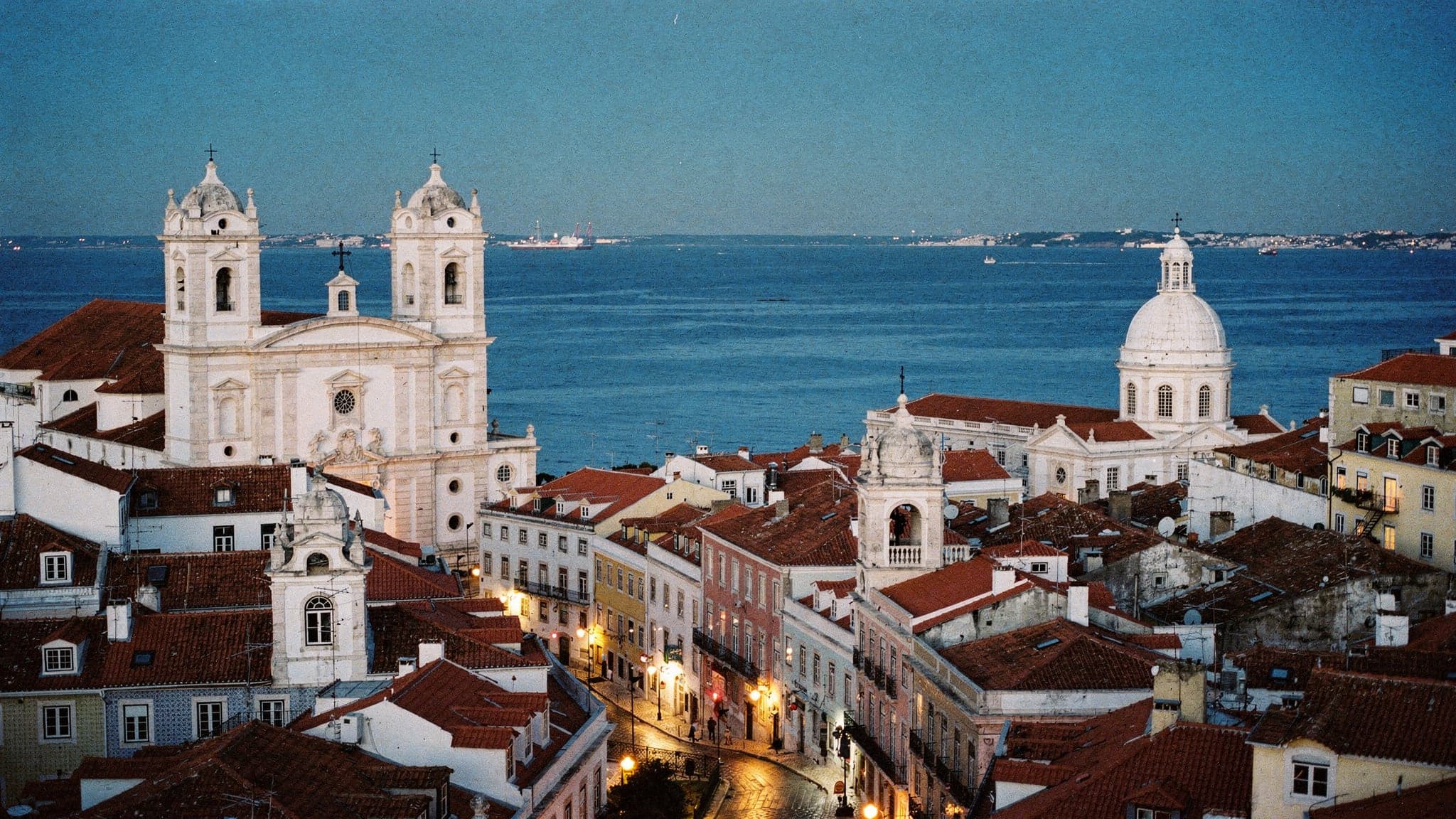
Portugal
Lisbon
Steep cobbled lanes, river light on tiled walls, and a counter espresso that still costs about a euro.
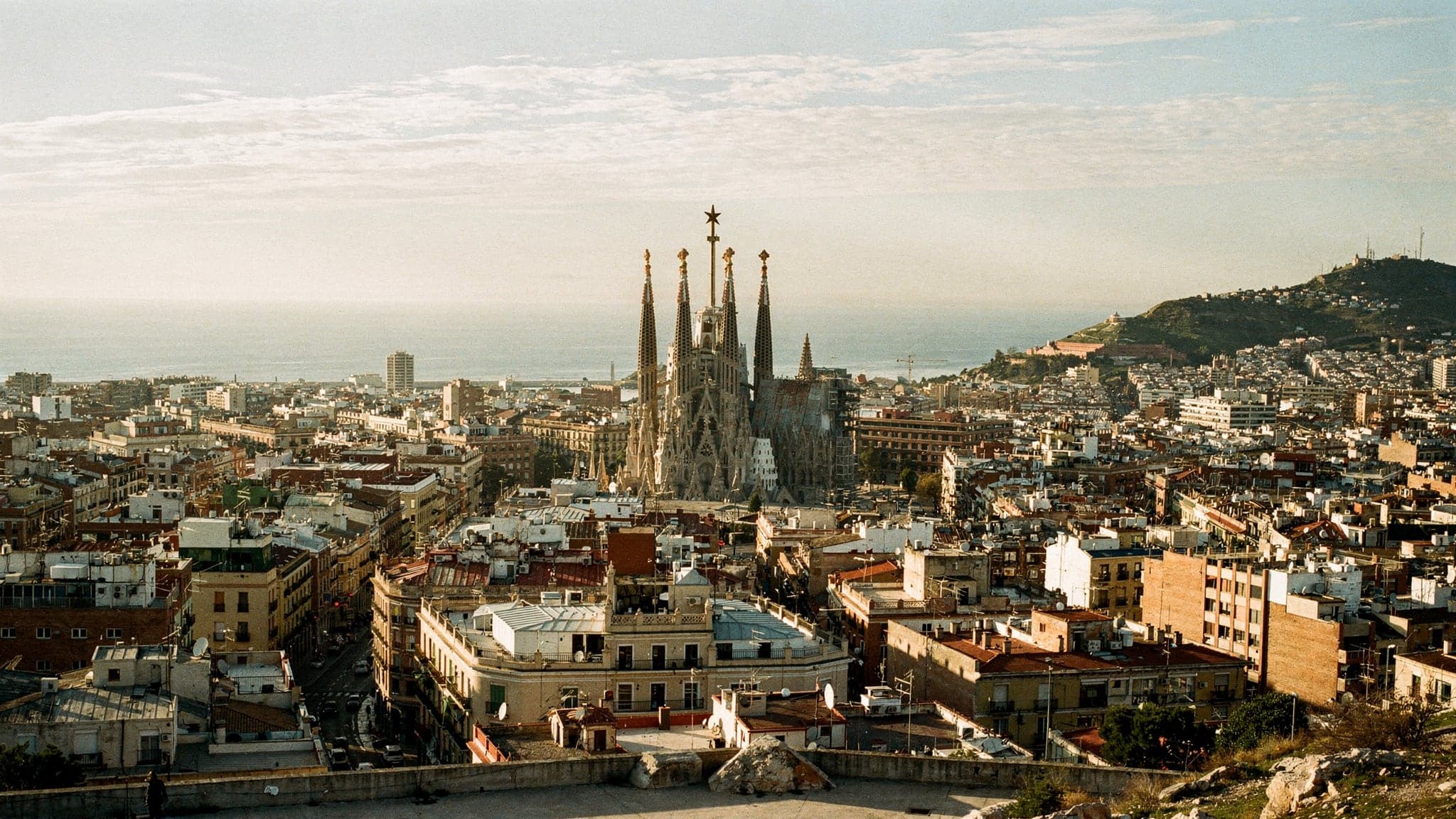
Spain
Barcelona
Gaudí on the skyline, the Mediterranean at the end of the street, and dinner that starts at ten.
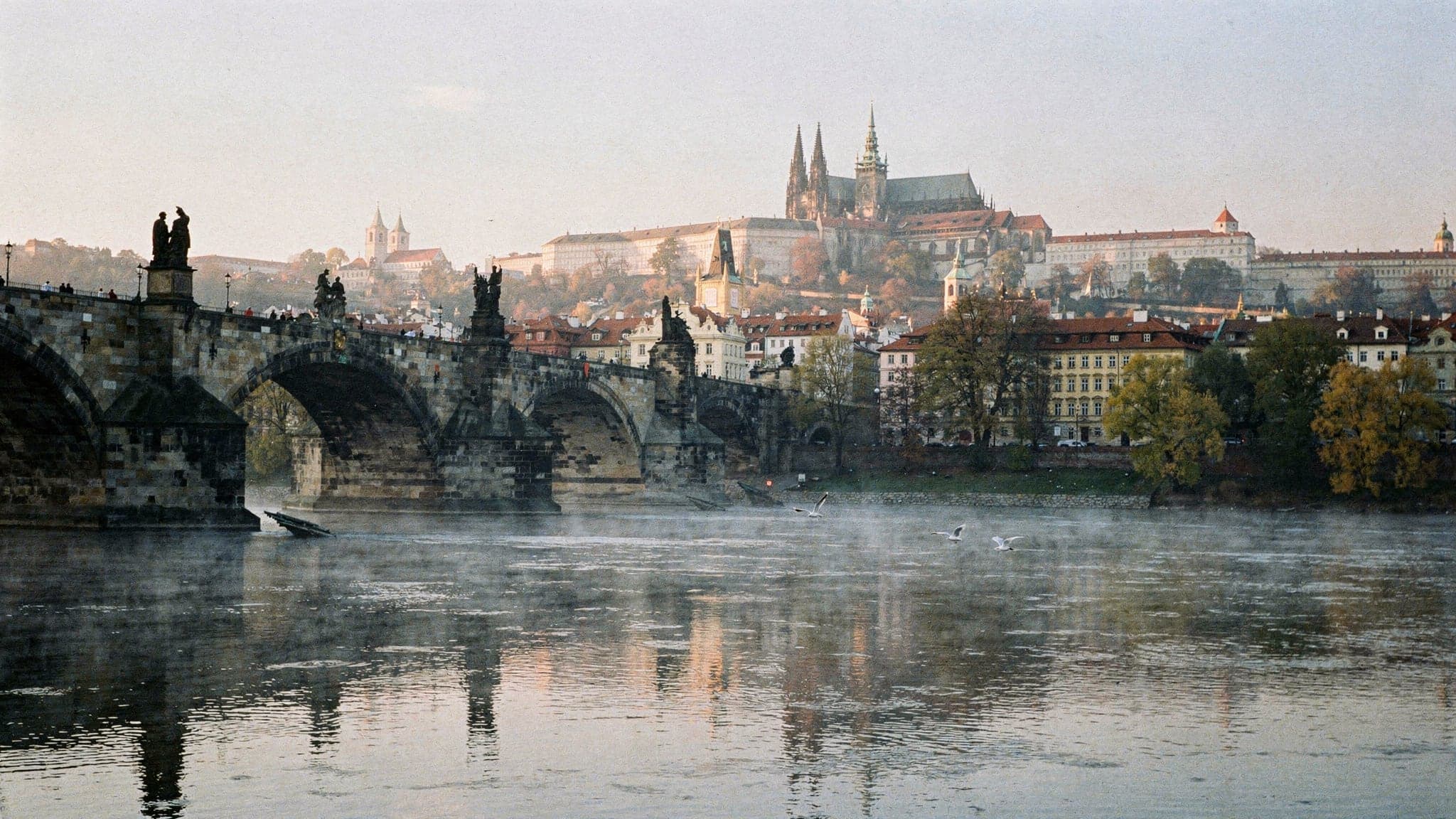
Czechia
Prague
Gothic towers, river light and tank Pilsner at pub prices, once you learn to sidestep the Old Town traps.
Book Porto
These links go to the booking sites we would use ourselves. Nothing here is currently sponsored.
Fast facts
- Currency
- Euro (EUR)
- Languages
- Portuguese
- Plugs
- Type C, F, 230 V, 50 Hz
- Time zone
- Lisbon (GMT+1)
- Tap water
- Safe to drink
- Tipping
- Optional. Round up in cafés; 5–10% for good service at sit-down restaurants.
- Driving
- On the right
- Emergency
- 112
- Dialing code
- +351
- Safety
- 4/5
When to go
Best: Jun, Sep.
Good for
- Culture & history4/5
- Food & drink4/5
- Nature & scenery3/5
- Adventure2/5
- Beaches3/5
- Nightlife3/5
- Romance4/5
- Family-friendly3/5
- Value for money4/5
- Big-city energy3/5
- Slow & restorative3/5
- Wildlife1/5