Iceland, Northern Europe
Iceland
A country where the weather sets the itinerary, and the reward for patience is a sky that moves.
Illustration: Spike Travel (AI-assisted)

By Spike Travel Editorial Desk, Editorial team
Published Oct 12, 2026
Disclosure: No press trips, comps or free products were involved. This dossier is a researched briefing compiled from official and primary sources; prices, rules and hours were checked on 12 October 2026.
- Best time
- Jun–Aug
- Daily budget
- $120–750
- Safety
- 5/5
- Strongest for
- Nature & scenery, Adventure, Romance
Iceland rewards planning more than impulse. This briefing covers Reykjavík, the Golden Circle, the South Coast and the Ring Road, with 2026 prices in krónur, what winter driving really involves, which car-hire insurance matters, when F-roads open, how the northern lights and midnight sun work, and where the Reykjanes eruptions stand.
Why go
In Iceland the weather writes the itinerary. One day can bring horizontal rain at Seljalandsfoss, a clear hour over Gullfoss and a pink sunset on the black sand near Vík. You learn to check the forecast with your morning coffee and to leave afternoons open.
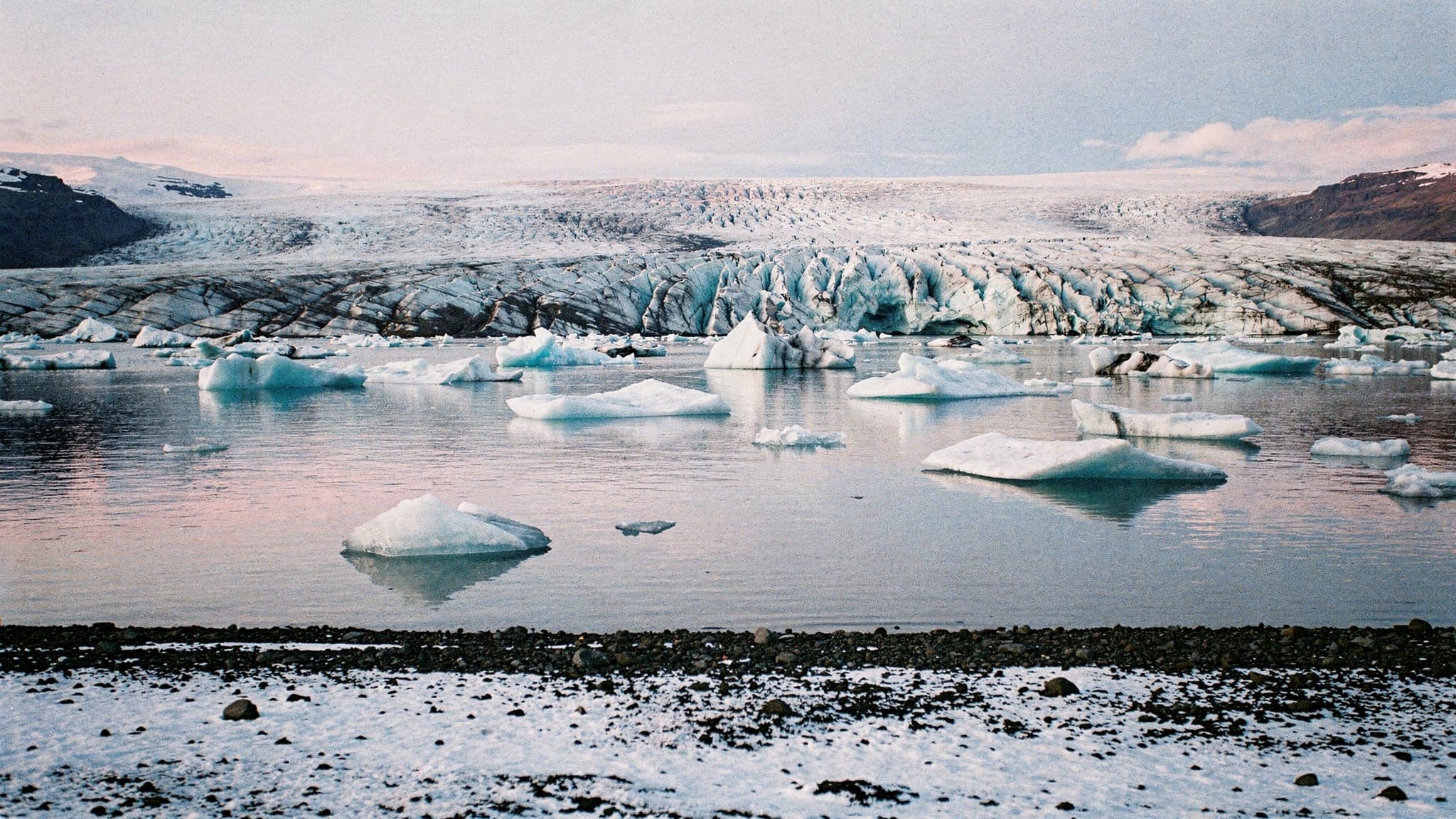
About 396,500 people live here, according to Statistics Iceland, and most of them live in and around Reykjavík. Route 1, the Ring Road, runs 1,322 km around the island, past waterfalls you can walk behind, glacier tongues that reach almost to the tarmac and a lagoon where icebergs drift out to sea.
In late December Reykjavík gets about four hours of daylight, and on a clear night the aurora can ripple overhead for an hour. In June the sun barely dips, and a hike that starts at 10 p.m. ends in daylight.
The lay of the land
Nearly everyone lands at Keflavík (KEF), on the Reykjanes Peninsula about 50 km southwest of Reykjavík. Reykjanes is raw lava country. The Blue Lagoon sits here beside the Svartsengi power plant, close to the Sundhnúkur crater row, which has erupted repeatedly since late 2023.
Reykjavík is compact. The old centre runs from the harbour up the hill to Hallgrímskirkja, and most hotels, bars and restaurants sit within a 20-minute walk of each other. Laugavegur is the main shopping street. The Old Harbour has the whale-watching boats and the seafood shacks.
East of the capital, the Golden Circle links Þingvellir National Park, the Geysir geothermal area and Gullfoss waterfall in a single day loop. Carry on southeast along Route 1 and you are on the South Coast: Seljalandsfoss, Skógafoss, the village of Vík, then the long glacial outwash plains to Skaftafell and the Jökulsárlón lagoon at the foot of Vatnajökull.
Beyond that, the Ring Road swings through the East Fjords and across the north via Mývatn and Akureyri, the second city, then back down the west past Borgarnes. Snæfellsnes and the Westfjords are side trips off the loop. The interior highlands are reachable only on F-roads, and only in summer.
Areas at a glance
Reykjavík and the capital area$$$$
A compact, walkable capital of geothermal pools, harbour seafood and late bars.
Best for: First and last nights, food and culture, day tours without driving
Reykjanes Peninsula$$$$
Raw lava fields around the airport, the Blue Lagoon and an active volcanic crater row.
Best for: Stopovers, lagoons and geology
Golden Circle and the southern lowlands$$$$
Rift valley, geysers and greenhouse villages within two hours of the capital.
Best for: Day trips, families, farm stays
South Coast to Vatnajökull$$$$
Waterfalls, black beaches and glacier tongues strung along Route 1 from Seljalandsfoss to Höfn.
Best for: Road trips, glacier walks, winter ice caves
Snæfellsnes and the West$$$$
Kirkjufell, lava fields and fishing villages under a glacier-capped volcano.
Best for: A long day or an overnight from Reykjavík
North Iceland (Akureyri, Mývatn, Húsavík)$$$$
The second city, lava formations around a lake and a whale-watching harbour.
Best for: Ring Road travellers, whales, winter flights from the UK
Westfjords and East Fjords$$$$
Long fjords, gravel roads and very few people.
Best for: Slow summer road trips
When to go
Summer, from June to August, is the easy season. Reykjavík's average July high is 14.9 °C, according to the Icelandic Met Office's 1991–2020 normals. Days are long, the highland roads open and puffins crowd the sea cliffs. It is also the most expensive and most booked-up time of year, especially for rental cars.
Winter, roughly November to February, is for aurora hunters and anyone who likes empty landscapes under snow. Days are short and storms are common from October to March. Winter tyres are mandatory from about November to April, and most rental cars come with studded ones. You can drive the South Coast to Vík or Jökulsárlón with care. A full Ring Road loop in midwinter is a bet against the weather, and the weather often wins.
The shoulder months suit many travellers best. September brings the first properly dark nights and autumn colour, though F-roads usually close from mid-September. March pairs good aurora odds with 12-hour days and cheaper rooms than summer.
Dates worth planning around: the Winter Lights Festival (4 to 7 February 2027), Reykjavík Pride in early August (4 to 9 August in 2026), Culture Night and the Reykjavík Marathon on a late-August Saturday (22 August in 2026), and the Iceland Airwaves music festival in early November (5 to 7 November 2026).
Iceland month by month
Best: Jun–Aug. Bars show our 1–5 rating; numbers are average daily highs in °C. The outlined bar is this month.
Month-by-month table
| Month | Rating | High / low °C | Rain mm | Note |
|---|---|---|---|---|
| January | 2/5 | 3 / -2 | 87 | Short days and frequent storms; Þorrablót midwinter feasts begin in late January. |
| February | 3/5 | 3 / -2 | 91 | Winter Lights Festival (4–7 February 2027); aurora season with more daylight. |
| March | 3/5 | 4 / -1 | 81 | Equinox month; dark nights for aurora and roughly 12 hours of daylight. |
| April | 3/5 | 7 / 1 | 59 | Shoulder season prices; puffins start returning; highland roads still closed. |
| May | 4/5 | 10 / 4 | 53 | Near-constant light by late May; fewer crowds than summer. |
| June | 5/5 | 13 / 7 | 43 | Brightest month; National Day on 17 June; F-roads start opening late in the month. |
| July | 5/5 | 15 / 9 | 50 | Warmest month and peak crowds; book cars and South Coast beds early. |
| August | 5/5 | 14 / 9 | 65 | Reykjavík Pride and Culture Night; first dark nights for aurora late in the month. |
| September | 4/5 | 11 / 6 | 87 | Aurora season begins in earnest; F-roads usually close from mid-September. |
| October | 3/5 | 8 / 3 | 80 | Storm season returns; good value for lagoons and aurora. |
| November | 2/5 | 5 / 0 | 87 | Iceland Airwaves (5–7 November 2026); winter tyres required; short days. |
| December | 2/5 | 3 / -2 | 95 | About four hours of daylight at the solstice; Christmas and New Year's Eve fireworks. |
June to August brings the warmest weather, the longest days and open highland roads, at the highest prices. September and March are the best compromise: real darkness for the northern lights, usable daylight and calmer roads. Midwinter suits aurora hunters who can accept short days, storms and flexible plans.
What it costs
Iceland is expensive, and no single trick makes it cheap. The króna traded at about ISK 122 to the US dollar on 12 October 2026, based on European Central Bank reference rates. Crowd-sourced Numbeo data puts a pint of draught beer in Reykjavík at about ISK 1,700 ($14) and a cappuccino at ISK 825 ($7). A three-course dinner for two without drinks starts around ISK 15,000 ($123) and climbs quickly once wine arrives.
Beds and cars are the big lines. A hostel dorm bed in Reykjavík runs about ISK 8,000 ($66). A decent double in summer often costs ISK 25,000 ($205) or more, plus a national lodging tax of ISK 800 per room per night. Car hire brings insurance extras and fuel and, since 1 January 2026, a road-use charge of ISK 6.95 per kilometre for cars and SUVs, which rental firms pass on in different ways. On a 1,322 km Ring Road loop that charge alone comes to about ISK 9,200 ($75).
Locals save by shopping at the Bónus and Krónan supermarkets, eating hot dogs, soaking in municipal pools instead of designer lagoons and drinking during happy hour. Alcohol carries the steepest markup. Outside bars and restaurants, wine and spirits are sold mainly through the state-run Vínbúðin shops, so the US embassy's advice to buy at Keflavík duty-free on arrival is sound.
Loading tool…
What a day costs
Shoestring
$120
per person, per day, no flights
Mid-range
$320
per person, per day, no flights
Luxury
$750
per person, per day, no flights
Shoestring means a hostel dorm, supermarket meals, public buses and free sights. Mid-range covers a shared double room, one restaurant meal a day, a share of a rental car and one paid activity. Luxury buys country-house hotels, private guiding or super-jeep tours, and lagoon visits without counting krónur.
| Item | Local price | ≈ USD | Note |
|---|---|---|---|
| Cappuccino | ISK 825 | $7 | Reykjavík average, crowd-sourced (Numbeo) |
| Local draught beer (pint) | ISK 1,700 | $14 | Reykjavík bar price outside happy hour (Numbeo) |
| Street-food meal (hot dog) | About ISK 900 | $7 | Bæjarins Beztu Pylsur, Reykjavík |
| Mid-range dinner for two | ISK 15,000–20,000 | $140 | Three courses without drinks; wine adds a lot |
| City bus ride | ISK 690 | $6 | Strætó single fare since 6 January 2026 |
| Airport bus (Flybus) to Reykjavík | ISK 3,999 | $33 | To BSÍ terminal; ISK 5,299 with hotel drop-off |
| Taxi from Keflavík Airport | About ISK 20,000 | $164 | Standard car to the capital area (KEF Airport) |
| Hostel dorm bed | About ISK 8,000 | $66 | Central Reykjavík; plus ISK 800 lodging tax per room-night where charged separately |
| 3-star double room | About ISK 25,000 | $205 | Summer rate; winter is lower |
| Blue Lagoon Comfort entry | From ISK 11,990 | $98 | Dynamic pricing by time slot |
| Sky Lagoon Saman pass | From ISK 14,990 | $123 | Ages 12 and over |
| Prepaid SIM (10 GB) | About ISK 2,900 | $24 | Síminn Frelsi prepaid; EU/EEA SIMs roam at home rates |
Prices verified Oct 12, 2026. Exchange rates move; treat USD as a guide.
Build a budget for IcelandGetting there and around
At Keflavík, Flybus leaves about 40 minutes after each arrival and reaches Reykjavík's BSÍ bus terminal in about 45 minutes. It costs ISK 3,999 ($33), or ISK 5,299 with hotel drop-off. Strætó's public route 55 is cheaper at ISK 2,400 ($20) but takes around 1 hour 20 minutes and runs only from about 7:30 a.m. to 11 p.m. A taxi costs roughly ISK 20,000 ($164). From October to April, easyJet also flies twice a week from London Gatwick and Manchester to Akureyri (AEY), which suits a northern trip.
Inside Reykjavík, walk. A city bus ride costs ISK 690 since January 2026, payable by contactless card or through Strætó's Klapp system. Outside the capital, public transport thins out fast: there are no trains and long-distance buses are sparse. Most visitors either rent a car or stay in Reykjavík and take day tours.
Driving gives you freedom and real risk. Route 1 is paved, but many side roads are gravel and narrow. Most bridges outside Reykjavík are single-lane, and the car closest to the bridge has priority. Headlights stay on at all times, speeding fines are heavy and off-road driving is illegal. F-roads, the highland tracks marked with an F, require a four-wheel drive, are usually closed from mid-September until June or July, and involve unbridged rivers. Safetravel's warning is blunt: no insurance covers damage to a vehicle while crossing a river. Check umferdin.is for road status every morning and register your plans at safetravel.is.
Parking at major sites is increasingly camera-enforced, and Þingvellir charges ISK 1,000 per car per day, payable at machines or online at Checkit.is. The Vaðlaheiðargöng tunnel near Akureyri costs ISK 2,216 per trip, paid at tunnel.is within 24 hours. Unpaid charges go to the rental company, which adds its own handling fee.
Arriving and moving around
- KEFKeflavík International Airport. To the centre: About 50 km from Reykjavík. Flybus about 45 min to BSÍ, ISK 3,999; Strætó route 55 ISK 2,400, about 1 h 20 min (roughly 7:30–23:00); taxi about ISK 20,000.
- AEYAkureyri Airport. To the centre: Seasonal easyJet flights from London Gatwick and Manchester (October to April, twice weekly); a short taxi ride into Akureyri.
Reykjavík's centre is walkable, and Strætó city buses cost ISK 690 a ride, paid by contactless card or the Klapp ticketing system. Outside the capital there are no trains and long-distance buses are sparse, so most visitors rent a car or take day tours from Reykjavík. Route 1, the 1,322 km Ring Road, is paved; many side roads are gravel and most rural bridges are single-lane. Keep headlights on, never drive off-road, and use a 4x4 on F-roads, which usually open only from late June or July to mid-September. Check umferdin.is for road status and safetravel.is for alerts every morning, and in winter allow a spare day for storm closures. Taxis exist in towns but are expensive.
Where to stay
Reykjavík works as a base for the Golden Circle, Reykjanes and the western South Coast as far as Vík. Stay in 101, the central postcode, if you want to walk to dinner. Streets around Laugavegur are livelier and louder at weekends, while the blocks near the Old Harbour and the Tjörnin pond are calmer.
For a road trip, book the South Coast first. Beds between Vík and Höfn are limited and towns are far apart, so farm hotels and guesthouses around Hella, Hvolsvöllur and Kirkjubæjarklaustur fill early in summer. In winter, a rural base away from light pollution gives you aurora from the doorstep instead of from a tour bus.
On a short winter trip, avoid booking a new town every night. A storm can strand you between non-refundable rooms, so choose flexible rates and two-night stops.
Places we'd book
- Check rates
Loft HI Eco HostelBudgetCentral Reykjavík
A Hostelling International hostel in the city centre with dorms and private rooms, a short walk from Laugavegur and the harbour.
- Check rates
Hotel Kea by KeahotelsMid-rangeAkureyri
A long-running hotel in central Akureyri and a practical base for Mývatn, Húsavík and the north.
- Check rates
Fosshotel Glacier LagoonMid-rangeHnappavellir, between Skaftafell and Jökulsárlón
Its position on the southeast coast turns Jökulsárlón and Diamond Beach into an easy early-morning visit before the day-trippers arrive.
- Check rates
Hotel Borg by KeahotelsLuxuryAusturvöllur square, Reykjavík
Iceland's first luxury hotel, opened in 1930, an Art Deco landmark beside the parliament with a spa.
- Check rates
Hotel RangáLuxuryNear Hella, South Iceland
A country hotel on the road to the South Coast, far from town lights, which helps on aurora nights.
- Check rates
ION Adventure HotelSomething differentNesjavellir, near Þingvellir
A design hotel on a geothermal hillside close to the Golden Circle, with dark skies around it.
- Check rates
Hotel BúðirSomething differentBúðir, Snæfellsnes
An isolated hotel beside the black church at Búðir, with lava fields and the sea on the doorstep.
What to do
Start in Reykjavík with the tower of Hallgrímskirkja (ISK 1,500; 10:00 to 17:00 in winter, last tower entry 16:45) for the view over painted roofs to Mount Esja. Then walk down to the Old Harbour for a whale-watching trip. For a soak, Sky Lagoon in Kópavogur, around 15 minutes from the centre, builds its visit around a seven-step bathing ritual. The Saman pass starts at ISK 14,990 and guests must be 12 or older. The Blue Lagoon near the airport starts at ISK 11,990 for Comfort entry, with prices that rise with demand.
The Golden Circle is the usual first day trip. At Þingvellir you walk through the rift between the North American and Eurasian plates, at the place where Iceland's assembly, the Alþingi, first met in 930. At Geysir, the Strokkur spout erupts every few minutes, and Gullfoss drops in two stages into a canyon just up the road. Silfra, a flooded fissure inside Þingvellir, offers snorkelling in near-freezing glacial water, in a drysuit, with a licensed operator.
The South Coast is the second great day trip. A path loops behind Seljalandsfoss, so bring waterproofs, and a stairway climbs beside Skógafoss. At Sólheimajökull, guides take you onto the glacier with crampons and an ice axe. At Reynisfjara near Vík, a traffic-light system shows how close to the water you may go: on yellow, stay out of the yellow zone; on red, stay behind the sign.
With a night or two, push on to Jökulsárlón and Diamond Beach, about five hours' drive from Reykjavík. In winter, guided groups enter natural ice caves in Vatnajökull. The national park now bans those tours in summer and requires daily risk assessments in season, after a fatal collapse in August 2024.
Further afield, Snæfellsnes packs a glacier-capped volcano, sea cliffs and the much-photographed Kirkjufell into a long day from Reykjavík. In the north, Húsavík is the country's best-known whale-watching harbour, and Mývatn has lava formations, pseudocraters and its own geothermal baths.
The shortlist
Golden Circle day tripDay trip
Þingvellir's plate-boundary rift, the Strokkur geyser at Geysir and two-tier Gullfoss in one loop from Reykjavík, with lunch at a geothermal greenhouse farm.
The sites are free to enter. Þingvellir parking is ISK 1,000 per car per day, camera-enforced and payable at machines or on Checkit.is.
Book ticketsSilfra fissure snorkellingDo
Float in a drysuit through a flooded crack in the rift at Þingvellir, in glacial meltwater clear enough to see a long way down.
Licensed operators only; drysuits are supplied and the water is near freezing all year. Book days ahead and check the age and health requirements.
Book ticketsSouth Coast waterfalls and ReynisfjaraDay trip
Walk behind Seljalandsfoss, climb the stairs beside Skógafoss and see the basalt columns and sea stacks of Reynisfjara beach near Vík.
About 2.5 hours from Reykjavík to Vík. Expect parking fees at the big falls and obey the warning lights at Reynisfjara.
Book ticketsSólheimajökull glacier walkDo
A guided walk on an outlet glacier of Mýrdalsjökull with crampons and ice axe, just off Route 1 between Skógafoss and Vík.
Guided only, never alone. Minimum ages and fitness rules vary by operator; dress for wind and wet.
Book ticketsJökulsárlón and Diamond BeachSee
Icebergs calve from Breiðamerkurjökull into a lagoon, float out under the bridge and wash up as glassy chunks on the black sand across the road.
About five hours' drive from Reykjavík each way, so stay nearby. Boat tours on the lagoon are seasonal; check dates before you plan around one.
Book ticketsVatnajökull ice cavesExperience
Natural blue ice caves inside the glacier, entered with specialist guides during the cold months when the ice is stable.
Winter season only. The national park bans summer cave tours and requires daily risk assessments after a fatal collapse in August 2024. Never enter a cave unguided.
Book ticketsHallgrímskirkja towerSee
Reykjavík's concrete landmark church on the hill; a lift runs up the tower for the best view over the city's painted roofs to Mount Esja.
Tower ISK 1,500. Open 10:00–17:00 in winter, last tower entry 16:45; access is restricted during services and concerts.
Sky LagoonExperience
An oceanside geothermal lagoon in Kópavogur, about 15 minutes from central Reykjavík, built around a seven-step sauna, cold plunge and scrub ritual.
Saman pass from ISK 14,990, Sér from ISK 17,990 with private changing rooms. Ages 12 and over; book a time slot.
Book ticketsBlue LagoonExperience
Milky-blue geothermal seawater in a lava field near Keflavík, easiest to fit in on your arrival or departure day.
Comfort from ISK 11,990 with dynamic pricing. Children must be at least 2. It has closed at short notice during past volcanic events, so book a refundable slot.
Book ticketsNorthern lights tourExperience
Small-group minibus trips drive away from the city lights, and away from cloud, between September and April.
Book early in your trip so you can retry. Many operators rebook free when there is no aurora, but read the terms.
Book ticketsWhale watchingDo
Boats leave Reykjavík's Old Harbour and Húsavík in the north looking for minke and humpback whales; schedules shrink in winter.
Seas can be rough, so take seasickness tablets. Winter trips are shorter and much colder.
Book ticketsBæjarins Beztu PylsurEat
Iceland's best-known hot dog stand, selling lamb, pork and beef hot dogs from Tryggvagata since 1937.
About ISK 900. Order one með öllu, with everything. Queues move quickly.
Snæfellsnes peninsulaDay trip
Kirkjufell, lava fields, sea cliffs and fishing villages around the Snæfellsjökull volcano, best as an overnight from Reykjavík.
A long day of driving from Reykjavík. Parking at Kirkjufell is paid.
Eat and drink
Icelandic food runs on lamb, fish and dairy, and it beats its reputation. The national snack is the hot dog, a lamb, pork and beef blend. Order one með öllu, with everything, and you get raw and crispy onions, ketchup, sweet brown mustard and remoulade. Bæjarins Beztu Pylsur has sold them from its Tryggvagata stand since 1937 and charges around ISK 900.
Fish is the other pillar. Café Loki, opposite Hallgrímskirkja, serves plokkfiskur, a buttery fish-and-potato mash, on rye bread, with dishes around ISK 5,000, and rye-bread ice cream for dessert. At the Old Harbour, Sægreifinn (The Sea Baron) ladles lobster soup in a green-painted fisherman's hut. On the South Coast, Fjöruborðið in Stokkseyri has specialised in langoustine since 1995, and its langoustine soup costs ISK 5,250 as a main.
On the Golden Circle, Friðheimar serves tomato soup and fresh bread among the vines of a geothermally heated greenhouse; the kitchen is open from 11:30 to 16:00 daily. Skyr, a thick cultured dairy food, is in every supermarket and makes a cheap breakfast. Hákarl, fermented Greenland shark, belongs to the midwinter Þorrablót feasts. The Bjarnarhöfn Shark Museum on Snæfellsnes explains the curing and lets you taste it; Icelanders traditionally chase it with Brennivín, a caraway schnapps.
Tipping is not expected because service is included in prices. Tap water is free and excellent, so ask for it.
Order this
Pylsa (Icelandic hot dog)
A lamb, pork and beef hot dog with raw and crispy onions, ketchup, sweet mustard and remoulade.
Try it at: Bæjarins Beztu Pylsur, Tryggvagata, Reykjavík (since 1937)
Plokkfiskur
Buttery mashed fish and potato, traditionally eaten on dark, slightly sweet rye bread.
Try it at: Café Loki, Lokastígur, opposite Hallgrímskirkja
Langoustine soup (humarsúpa)
A rich, creamy shellfish soup made with Icelandic langoustine, usually sold as lobster soup.
Try it at: Fjöruborðið, Stokkseyri (langoustine specialists since 1995); Sægreifinn (The Sea Baron), Reykjavík Old Harbour
Rye bread ice cream
Ice cream flavoured with Iceland's sweet rye bread, served with whipped cream.
Try it at: Café Loki, Reykjavík
Greenhouse tomato soup
Tomato soup with fresh bread, served among the vines of a geothermally heated greenhouse.
Try it at: Friðheimar, Reykholt, Golden Circle (kitchen 11:30–16:00 daily)
Hákarl (fermented shark)
Cured and air-dried Greenland shark with a fierce ammonia tang, eaten in small cubes.
Try it at: Bjarnarhöfn Shark Museum, Snæfellsnes
Skyr
Thick, high-protein cultured dairy, eaten plain, with berries or in smoothies.
Try it at: Any supermarket, including the Bónus and Krónan chains
Practicalities
Entry. Iceland is in the Schengen area, so visitors from the United States, United Kingdom, Canada and Australia get 90 days in any 180 without a visa. Since 10 April 2026 the EU's Entry/Exit System has replaced passport stamps, so expect fingerprints and a photo at your first Schengen border. ETIAS, the planned €20 pre-travel authorisation, was not operating on 12 October 2026 and had no start date. The EU has dropped its earlier "last quarter of 2026" target, and the official ETIAS site now says only that a date will be announced several months ahead. Ignore any website selling ETIAS now.
Money. Cards, including contactless and phone payments, work almost everywhere, so you can travel without cash. When a terminal offers to charge you in your home currency, decline and pay in krónur.
Data, water, power. EU and EEA SIM cards roam at home rates because Iceland is in the EEA. Otherwise, Síminn's prepaid Frelsi SIM costs about ISK 2,900 for 10 GB. Expect gaps in coverage in the highlands. Tap water is safe and very good; hot water can smell faintly of sulphur because it is geothermal. Plugs are types C and F, at 230 V and 50 Hz.
Safety. Crime is low, though pickpocketing happens at busy tourist spots, according to the US State Department. The real dangers are natural: storms, ice, sneaker waves, glaciers, hot springs and unstable geothermal ground. Download the 112 Iceland app, call 112 for any emergency and follow the alerts on safetravel.is.
Etiquette and access. At pools and lagoons you must shower without a swimsuit before you get in, and staff do check. LGBTQ+ travellers can expect a relaxed welcome: same-sex marriage has been legal since 2010 and Reykjavík Pride fills the centre each August. Reykjavík's centre is hilly in places, and many natural sites have gravel paths, steps or uneven boardwalks, so check each site and tour before booking if you have limited mobility.
Phrases. Góðan daginn (good day), takk (thanks), já and nei (yes and no), skál (cheers).
Entry rules by passport
| Passport | Rule | Max stay | Notes | Checked |
|---|---|---|---|---|
| United States | Visa-free (Schengen) | 90 days in any 180 | Passport must be valid at least 3 months beyond your departure from the Schengen area (6 months recommended) with 2 blank pages; be ready to show an onward or return ticket and proof of funds. Since 10 April 2026 the EU Entry/Exit System (EES) takes fingerprints and a photo at your first Schengen border. ETIAS is not yet operating and has no start date; the State Department page (dated 14 May 2026) still says late 2026, but the EU has since dropped that target. | Oct 12, 2026 |
| United Kingdom | Visa-free (Schengen) | 90 days in any 180 | Passport must have been issued less than 10 years before you arrive and be valid for at least 3 months after the day you plan to leave the Schengen area. EES biometric registration is free and the record lasts 3 years. You may be asked for a return ticket and proof of funds. ETIAS not yet required. | Oct 12, 2026 |
| EU/Schengen | Free movement (EEA/EFTA) | No limit for visits; register with Registers Iceland for longer stays | Travel on a valid passport or national identity card that is valid beyond your stay. Nordic citizens are exempt from document checks at the border. EES and ETIAS do not apply to EU/EEA citizens. | Oct 12, 2026 |
| Canada | Visa-free (Schengen) | 90 days in any 180 | Passport must be valid for at least 3 months beyond the date you expect to leave the Schengen area. EES collects your facial image and fingerprints on entry. ETIAS applications are not yet open; apply only through the official EU website once it launches (Global Affairs Canada, updated 11 August 2026). | Oct 12, 2026 |
| Australia | Visa-free (Schengen) | 90 days in any 180 | Passport must be valid for at least 3 months after you leave and issued within the last 10 years. EES registration is free; Smartraveller warns that EES queues have caused long delays at some European airports. There is no confirmed ETIAS start date and applications are not open. | Oct 12, 2026 |
Entry rules change without notice. Confirm with the official source linked in the Checked column before you travel.
Safety: 5/5
Crime is low and violent crime against visitors is rare, although pickpocketing and bag snatching happen at busy tourist sites and there have been occasional knife incidents around downtown Reykjavík nightlife. The real dangers are natural: fast-changing weather, winter roads, sneaker waves at Reynisfjara, glaciers, hot springs and an active volcanic system on the Reykjanes Peninsula. Check safetravel.is and the Icelandic Met Office daily, and call 112 for any emergency.
- Camera-enforced parking at nature sites; unpaid fees reach the rental company, which adds a handling charge.
- Rental damage disputes over gravel chips, sand-blasted paint and wind-damaged doors; photograph the car at pick-up and drop-off.
- Card terminals offering to charge you in your home currency at a poor rate; always pay in krónur.
- Websites selling ETIAS authorisations before the system exists.
- Unlicensed taxis; licensed metered cabs show a roof light and fixed-fare cabs a licence sticker.
Fast facts
- Currency
- Icelandic króna (ISK)
- Languages
- Icelandic, English (widely spoken)
- Plugs
- Type C, F, 230 V, 50 Hz
- Time zone
- Reykjavik (GMT+0)
- Tap water
- Safe to drink
- Tipping
- Not expected; service is included in prices. Rounding up for exceptional service is welcome but optional.
- Driving
- On the right
- Emergency
- 112
- Dialing code
- +354
- Safety
- 5/5
What nobody tells you
The famous stops are busiest from late morning to mid-afternoon, because the tour buses all run the same schedule. In summer, use the long light. Seljalandsfoss at 8 a.m. or 9 p.m. is a different experience from Seljalandsfoss at noon.
Wind, more than cold, is what ruins plans. Reykjavík's January averages sit just either side of freezing, but gales can close roads, wrench car doors and cancel tours at a day's notice. Build a spare day into any winter itinerary and never schedule a long drive for the day before your flight home.
The Blue Lagoon is beautiful and polished. It is also expensive, busy and next to an active volcanic system. If you mostly want hot water and a view, a neighbourhood swimming pool gives you the first for a fraction of the price, and Sky Lagoon gives you both closer to town.
Reynisfjara's waves have killed visitors, including one in June 2022, according to Global Affairs Canada. Waves run much further up the sand than seems possible. Keep well back, and never turn your back on the sea.
The aurora is fickle. Plenty of visitors spend a week under cloud, and on modest nights the camera records colour that your eyes see as a pale grey-green arc. Book a northern-lights tour early in your trip so you can rebook, and never stop on the road to watch the sky; Australia's Smartraveller notes that the lights cause sudden stops.
Distances on the map look shorter than they drive. Single-lane bridges, gravel, photo stops and weather all slow you down. The Ring Road can be driven in a week, but it feels rushed. Ten days to two weeks is kinder, and in winter it is better to pick one region and see it properly.
Insider tips
- Pay Þingvellir's ISK 1,000 parking fee the same day at a machine or on Checkit.is; cameras read your plate, and rental firms add their own fee to unpaid charges.
- Driving the Vaðlaheiðargöng tunnel near Akureyri costs ISK 2,216; pay at tunnel.is within 24 hours before or after your trip.
- Register your route at safetravel.is and install the 112 Iceland app before you leave Reykjavík; both are free.
- Buy wine or spirits at Keflavík duty-free when you land. Outside bars and restaurants, the main retailer is the state-run Vínbúðin chain, at Icelandic prices.
- In wind, open car doors with a firm two-handed grip and park facing into the wind; door damage from gusts is excluded from most basic rental cover.
- Check the Icelandic Met Office cloud-cover map at en.vedur.is in the afternoon; clear sky matters more than the aurora forecast.
- An EU or EEA SIM card roams at home rates in Iceland, which is in the EEA; check before buying a local SIM.
Skip it
- Driving an F-road in an ordinary car, or crossing any river you cannot read; no insurance covers river-crossing damage.
- Turning your back on the sea at Reynisfjara or Kirkjufjara; sneaker waves have killed visitors there.
- Stopping on the road to watch the northern lights; it causes sudden stops and crashes.
- Booking a different town every night on a short winter trip, when one storm can wreck the chain.
- Assuming a summer ice cave tour is the same as Vatnajökull's winter natural caves; summer tours there are banned.
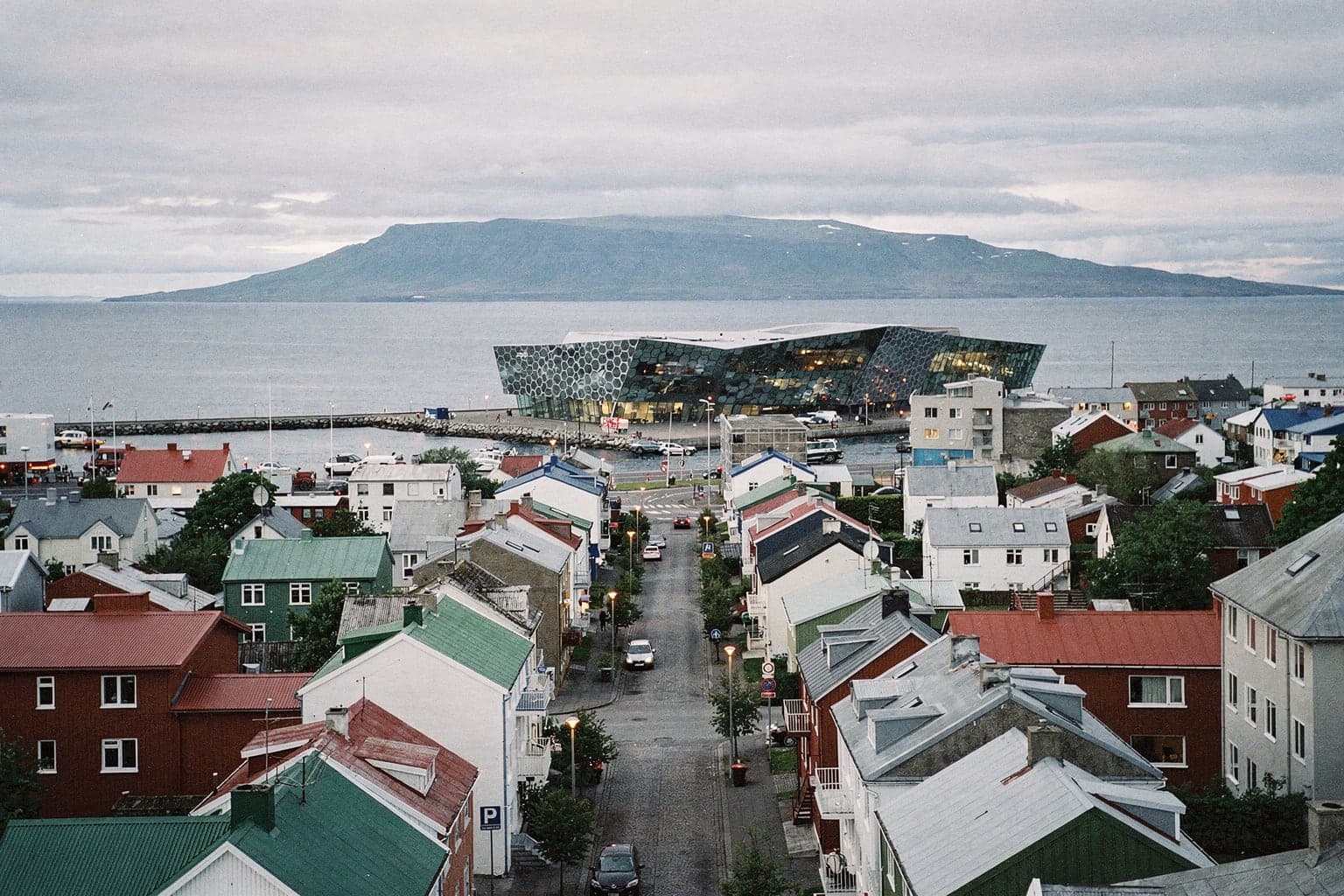
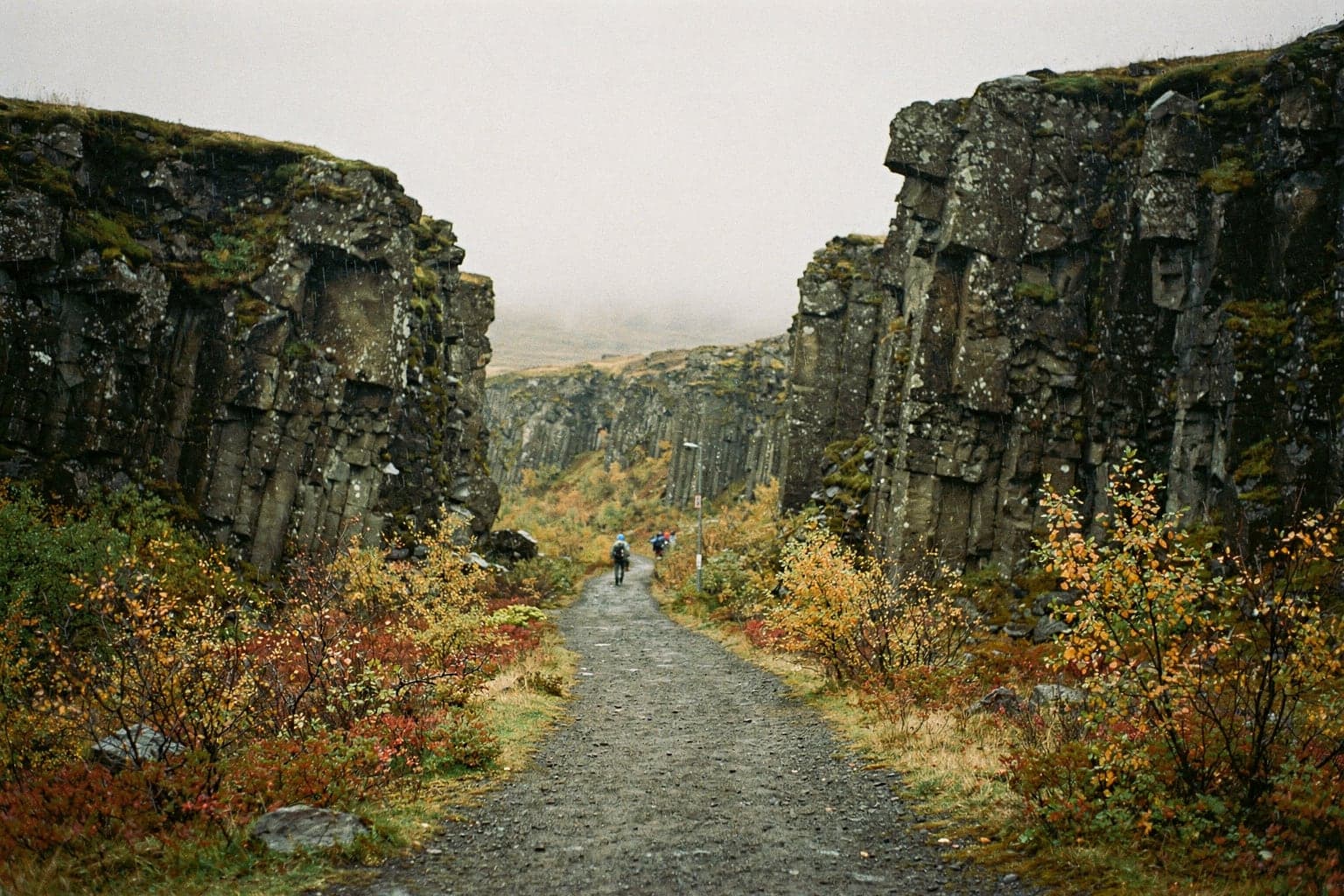
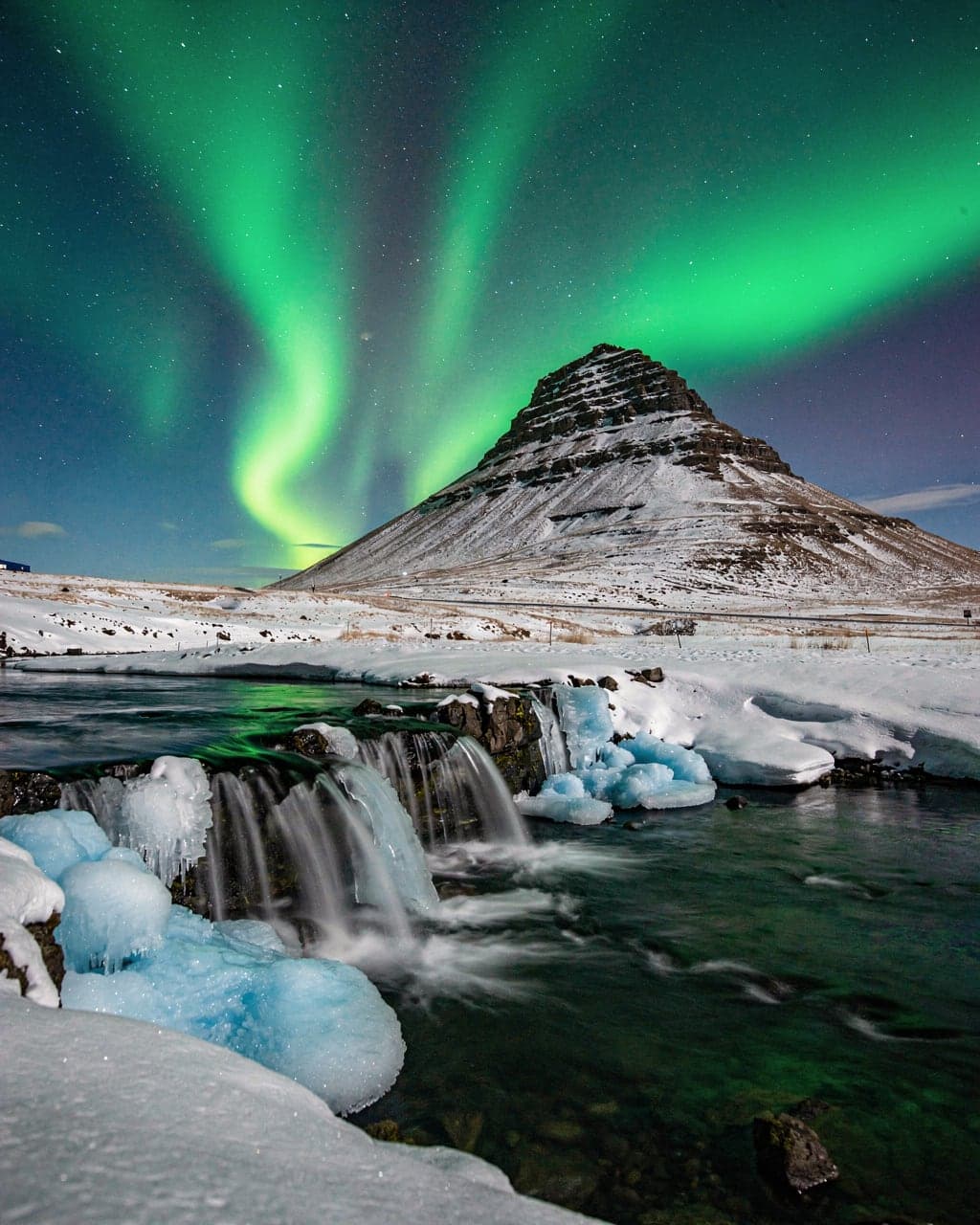
Illustration: Spike Travel (AI-assisted)
Questions people ask
Do I need ETIAS to visit Iceland?
Not as of 12 October 2026. ETIAS is not operating and the EU has set no start date; it has dropped its earlier late-2026 target and says it will announce the date several months before launch. You will go through the Entry/Exit System, which records fingerprints and a photo at your first Schengen border.
Is it safe to drive in Iceland in winter?
It can be, if you prepare. Winter tyres are mandatory from about November to April and most rental cars come with studded tyres. Drive only in daylight where you can, check umferdin.is and the Met Office warnings every morning, stick to Route 1 and the main roads, and keep a spare day before your flight in case storms close roads.
When is the best time to see the northern lights in Iceland?
Between September and April, when nights are dark. September and March pair dark nights with milder weather and longer days. You need a clear sky as much as solar activity, so plan several nights and use the Icelandic Met Office's cloud-cover forecast.
Do I need gravel and sand-and-ash protection on a rental car?
For most itineraries, gravel protection is worth having because windscreen chips are common, and sand-and-ash protection matters on the South Coast, where repairs can run to ISK 500,000 or more. Remember that river crossings, underside damage and wind-blown doors are often excluded even then.
How many days do I need in Iceland?
Three or four days covers Reykjavík, the Golden Circle and the South Coast as far as Vík. A week adds Jökulsárlón and Snæfellsnes. The full Ring Road is comfortable in ten days to two weeks, and in winter it is better to focus on the southwest and south.
Is the Blue Lagoon open, given the eruptions?
There was no eruption at the time of writing, but the Icelandic Met Office expects another magma intrusion or eruption near Svartsengi, beside the lagoon, possibly with short warning. The lagoon has closed at short notice before, so book a refundable time slot and check the official updates.
Blue Lagoon or Sky Lagoon?
The Blue Lagoon is the famous one, near the airport, from ISK 11,990. Sky Lagoon is 15 minutes from central Reykjavík, from ISK 14,990, adults and children 12 and over only, and includes a sauna and cold-plunge ritual. For a cheap soak, use a municipal pool.
Sources
Where the facts on this page come from. Dates show when we last checked each one.
- European Commission: European Travel Information and Authorisation System (ETIAS)accessed Oct 12, 2026
- European Commission: Entry/Exit System (EES)accessed Oct 12, 2026
- European Commission: Main differences between the EES and ETIAS (28 April 2026, then citing a last-quarter-2026 ETIAS start)accessed Oct 12, 2026
- US Department of State: Iceland Travel Advisoryaccessed Oct 12, 2026
- GOV.UK: Iceland travel advice, entry requirementsaccessed Oct 12, 2026
- Government of Canada: Travel advice and advisories for Icelandaccessed Oct 12, 2026
- Smartraveller: Travelling to Europe and the Schengen Areaaccessed Oct 12, 2026
- Smartraveller: Iceland travel adviceaccessed Oct 12, 2026
- Ísland.is (Directorate of Immigration): Entry requirements to Icelandaccessed Oct 12, 2026
- Wikipedia: Reykjavík climate table, 1991–2020 normals from the Icelandic Met Office and NOAAaccessed Oct 12, 2026
- Icelandic Met Office: Monthly averages for Reykjavík (underlying climate source)accessed Oct 12, 2026
- Icelandic Met Office: Situation on the Reykjanes Peninsula (30 September 2026)accessed Oct 12, 2026
- Icelandic Met Office: Aurora forecastaccessed Oct 12, 2026
- Safetravel: Highland drivingaccessed Oct 12, 2026
- Safetravel: Black beach safetyaccessed Oct 12, 2026
- Ísland.is (Iceland Revenue and Customs): Kilometer fee on vehiclesaccessed Oct 12, 2026
- Skatturinn: Lodging taxaccessed Oct 12, 2026
- Blue Car Rental: Car rental insurance in Icelandaccessed Oct 12, 2026
- Keflavík Airport: Routes to and from KEFaccessed Oct 12, 2026
- Flybus: Price listaccessed Oct 12, 2026
- Strætó: Changes in price list from 6 January 2026accessed Oct 12, 2026
- Strætó: Bus to and from KEF Airport (route 55)accessed Oct 12, 2026
- Blue Lagoon: 2026 rate cardaccessed Oct 12, 2026
- Sky Lagoon: Tickets, packages and pricesaccessed Oct 12, 2026
- Þingvellir National Park: Parking serviceaccessed Oct 12, 2026
- Veggjald (Vaðlaheiðargöng tunnel): Prices and payment methodsaccessed Oct 12, 2026
- Hallgrímskirkja: Opening hours and tower ticketsaccessed Oct 12, 2026
- Statistics Iceland: Inhabitantsaccessed Oct 12, 2026
- European Central Bank: Euro foreign exchange reference rates (12 October 2026)accessed Oct 12, 2026
- Numbeo: Cost of living in Reykjavík (crowd-sourced, used as a sanity check)accessed Oct 12, 2026
- Visit Iceland: The Ring Roadaccessed Oct 12, 2026
- Visit North Iceland: Direct flights to North Icelandaccessed Oct 12, 2026
- Iceland Review: Ice cave tours unregulated beyond Vatnajökullaccessed Oct 12, 2026
- Reykjavík City: Winter Lights Festivalaccessed Oct 12, 2026
- Iceland Airwaves: FAQ (2026 dates)accessed Oct 12, 2026
- Reykjavík Pride (Hinsegin dagar)accessed Oct 12, 2026
If you like Iceland
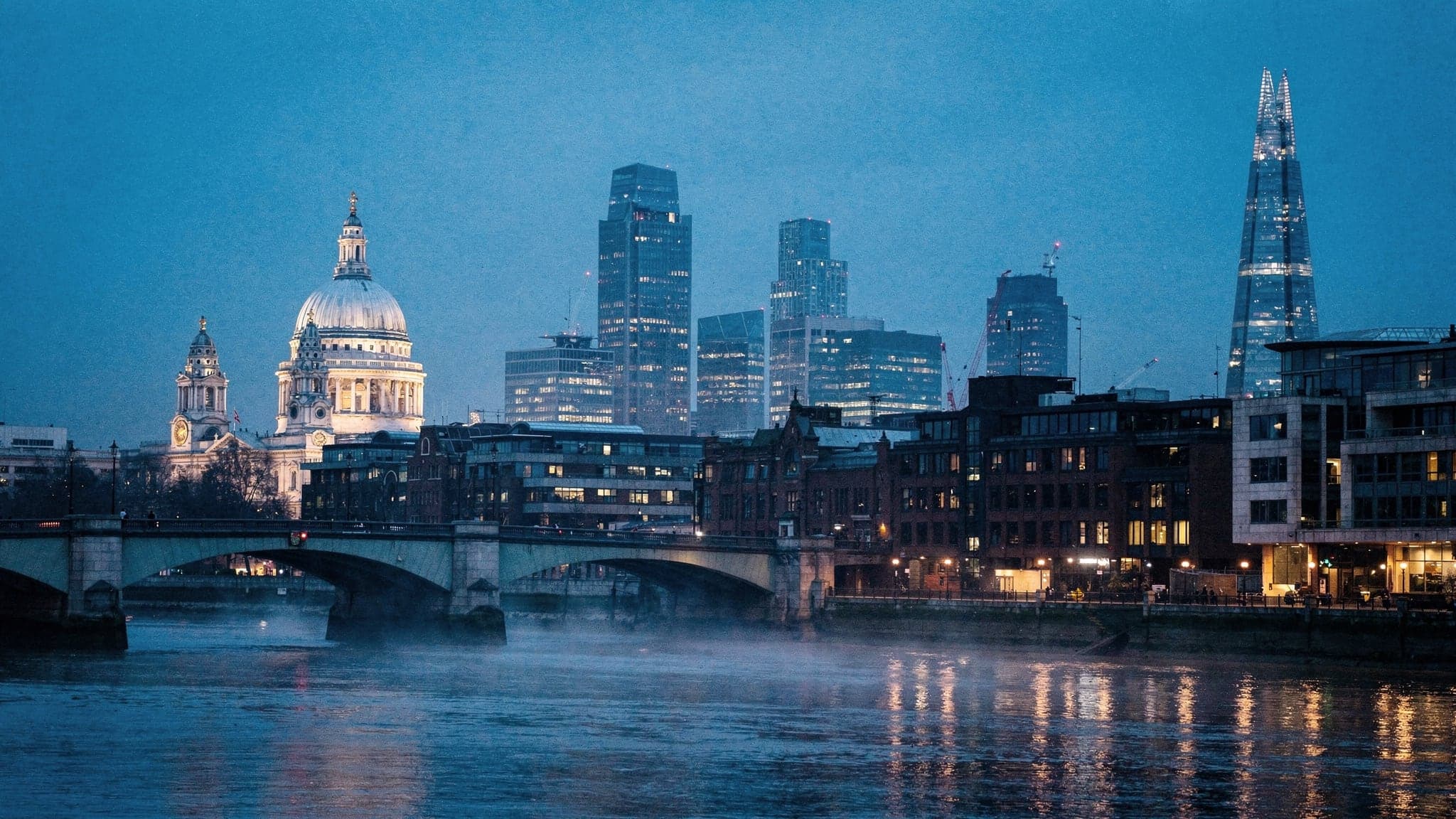
United Kingdom
London
Free national museums, two thousand years of layered streets and a Tube map you'll stop needing by day three.
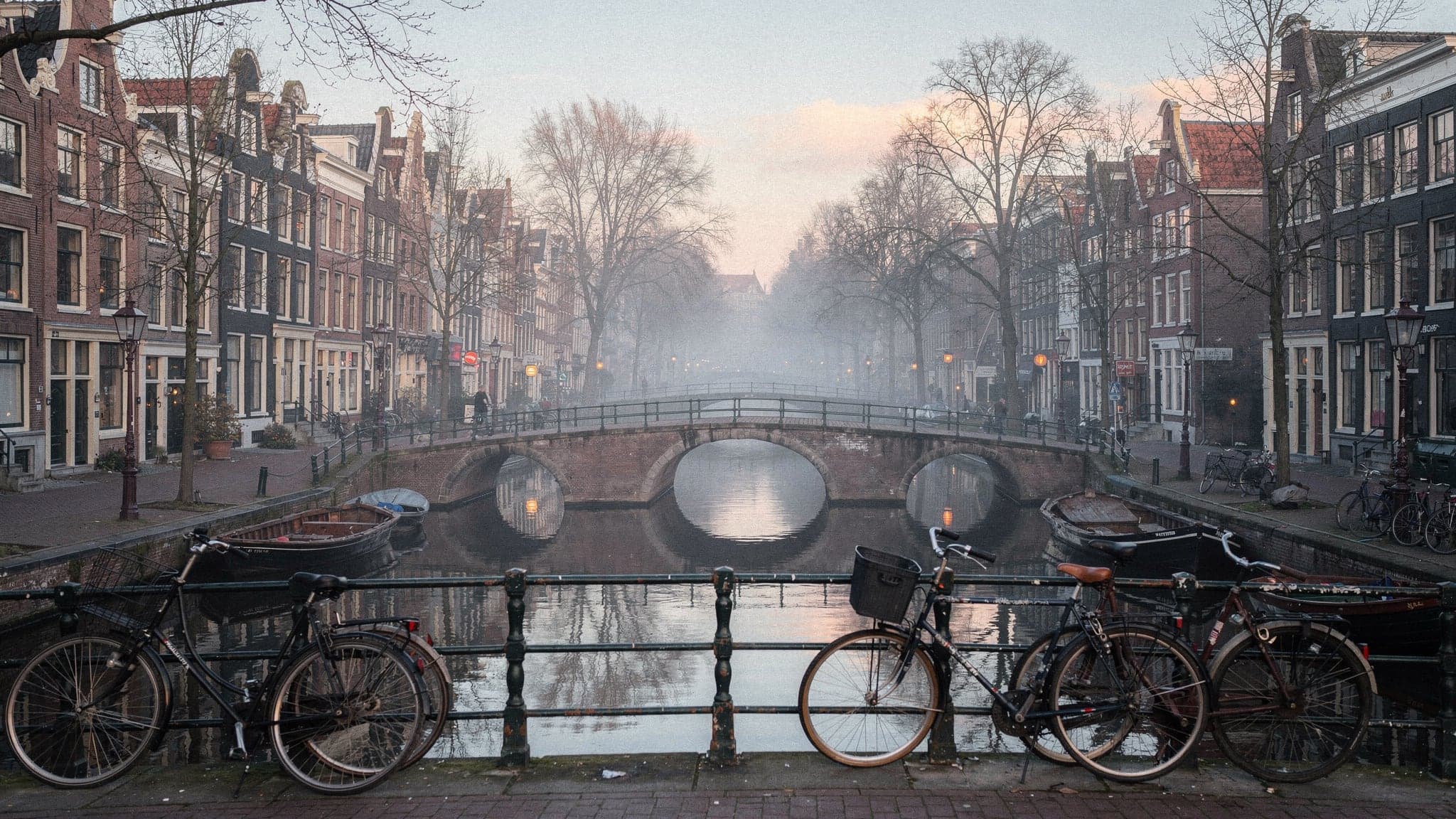
Netherlands
Amsterdam
Gabled canal houses, world-class museums and a city that moves at the speed of a bicycle bell.
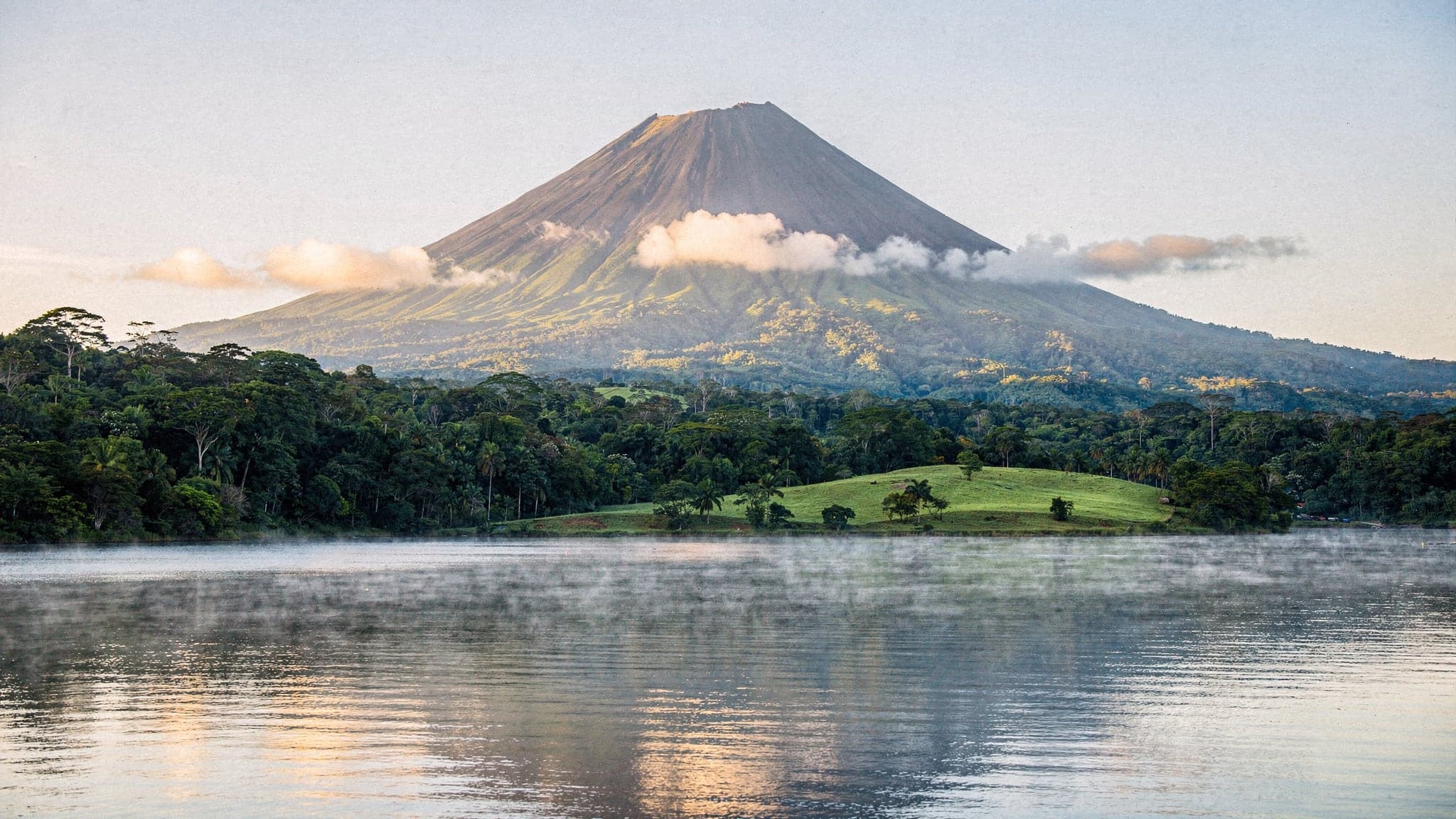
Costa Rica
Costa Rica
Two coasts, a spine of volcanoes, and wildlife that turns up before breakfast.
Book Iceland
These links go to the booking sites we would use ourselves. Nothing here is currently sponsored.
Fast facts
- Currency
- Icelandic króna (ISK)
- Languages
- Icelandic, English (widely spoken)
- Plugs
- Type C, F, 230 V, 50 Hz
- Time zone
- Reykjavik (GMT+0)
- Tap water
- Safe to drink
- Tipping
- Not expected; service is included in prices. Rounding up for exceptional service is welcome but optional.
- Driving
- On the right
- Emergency
- 112
- Dialing code
- +354
- Safety
- 5/5
When to go
Best: Jun–Aug.
Good for
- Culture & history3/5
- Food & drink3/5
- Nature & scenery5/5
- Adventure5/5
- Beaches2/5
- Nightlife3/5
- Romance4/5
- Family-friendly4/5
- Value for money1/5
- Big-city energy1/5
- Slow & restorative4/5
- Wildlife4/5