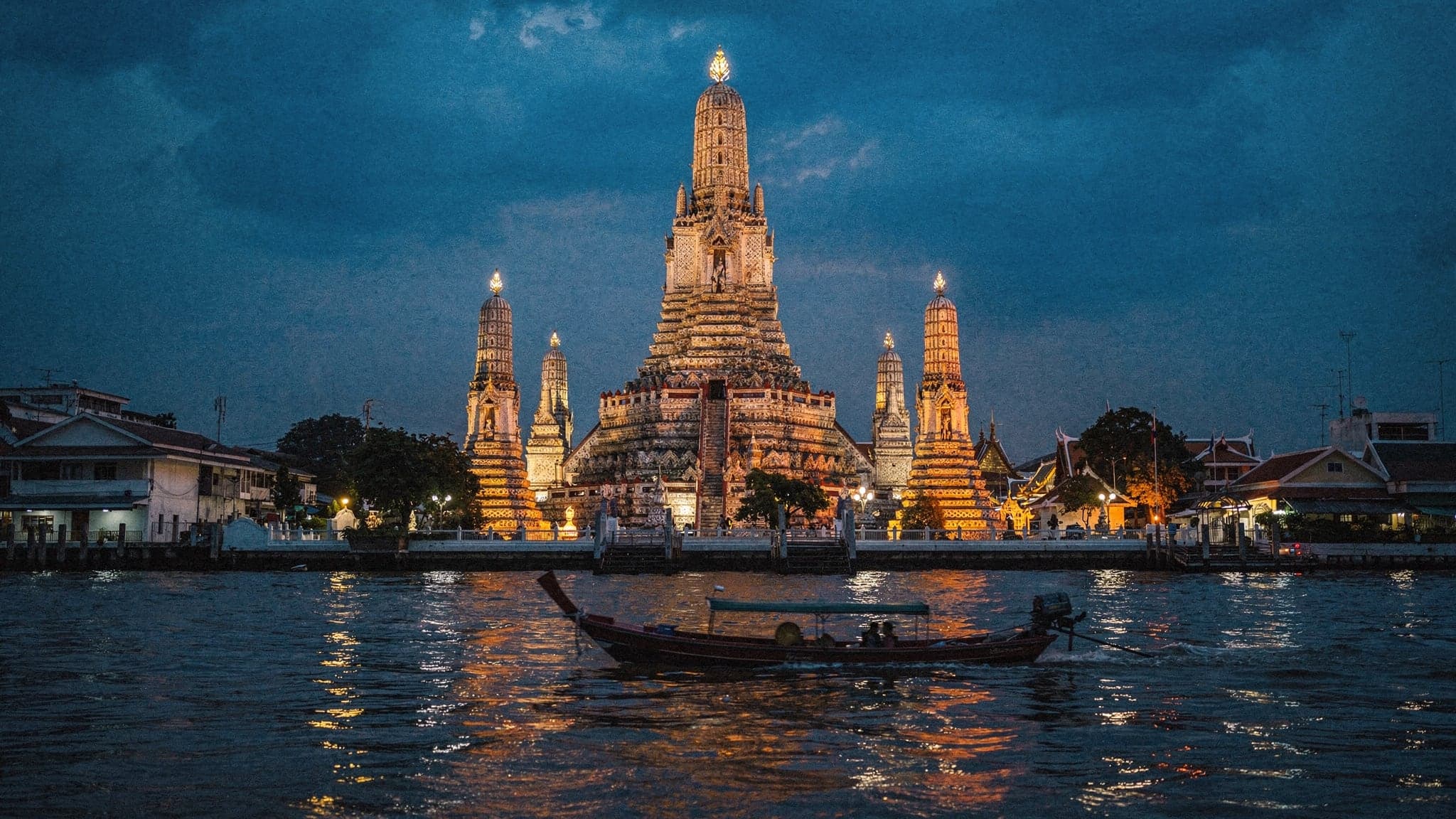
Thailand, Southeast Asia
Bangkok
Temples at dawn, noodles at midnight, and a river that still carries the city between them.
Illustration: Spike Travel (AI-assisted)

By Spike Travel Editorial Desk, Editorial team
Published Oct 12, 2026
Disclosure: This is a researched briefing compiled from official sources, operators and reputable reporting. No press trips, comps or hosted stays were involved.
- Best time
- Nov–Dec
- Daily budget
- $35–400
- Safety
- 4/5
- Strongest for
- Culture & history, Food & drink, Nightlife
Bangkok rewards an early start and an adventurous appetite. Gilded temples sit a short boat ride from Chinatown's night kitchens, the Skytrain and river boats beat the traffic, and a street-food lunch still costs under 100 baht. Plan around the heat, the rains and the haze, Thailand's new 30-day visa-free limit, and a cannabis law now back to prescription-only.
Why go
Bangkok makes sense once you stop fighting it. At 7am monks are finishing their alms rounds in the old town, orange-flag boats are already full of office workers, and the first woks are hissing on Maha Chai Road. By noon the heat drives everyone indoors. After dark the city wakes up again, and Yaowarat's pavements fill with plastic stools and charcoal smoke until well past midnight.
In one morning you can stand before the Emerald Buddha, cross the river to climb the porcelain-studded prang of Wat Arun, and eat a bowl of noodles for less than a coffee costs at home. Michelin's inspectors have starred a street-side wok here, and the gap in quality between a 60-baht plate and a hotel tasting menu is smaller than the gap in price.
Bangkok is also a capital of more than eight million people, with traffic, haze and a politics that sometimes spills onto the streets. Plan around them: get up early, rest at midday, travel by rail and river, and save your energy for the evening.
The lay of the land
The Chao Phraya River bends through the city from north to south, and it is still the best way to understand Bangkok. On the east bank, the old royal island of Rattanakosin holds the Grand Palace, Wat Pho and the National Museum, with Banglamphu and Khao San Road just to the north. Thonburi, across the water, is quieter: Wat Arun, wooden houses along the canals, and few hotels.
Downriver from the palace, Chinatown and the riverside lanes of Talat Noi give way to Charoen Krung and Bang Rak, the old trading quarter where the grand hotels, galleries and century-old Thai-Chinese restaurants sit. Inland, the modern centre spreads east along the BTS Skytrain. Siam is the mall district and main interchange. Silom and Sathorn are the business district, with Lumphini Park and the nightlife of Silom's side streets. Sukhumvit Road runs east for miles through Nana, Asok, Phrom Phong, Thong Lo and Ekkamai.
The old town has no Skytrain, but the MRT Blue Line now reaches it at Sanam Chai, beside Wat Pho, and at Sam Yot. A useful rule: river and MRT for the historic west, BTS for the commercial east.
Areas at a glance
Rattanakosin and Banglamphu (old town)$$$$
Palaces, temples, shophouse lanes and Khao San Road's late-night noise
Best for: First-timers focused on temples and street food
Chinatown (Yaowarat) and Talat Noi$$$$
Gold shops, night kitchens, wholesale lanes and riverside street art
Best for: Food-first travellers who can sleep through deliveries
Riverside (Charoen Krung and Bang Rak)$$$$
Grand hotels, galleries, century-old Thai-Chinese restaurants and boat piers
Best for: Couples and anyone who wants both the river and the BTS
Silom and Sathorn$$$$
Office towers by day, Lumphini Park joggers at dawn, bars and Soi 4's LGBTQ+ scene at night
Best for: Business travellers and nightlife on a rail line
Siam and Pathum Wan$$$$
Malls, the main BTS interchange and Jim Thompson House
Best for: Families, shoppers and rainy-season stays
Sukhumvit (Asok to Ekkamai)$$$$
Long, busy expat corridor of hotels, restaurants and bars along the BTS
Best for: Long stays, dining out and nightlife
When to go
Bangkok has three seasons, and none of them is cool. The dry window from November to February is the best time to come. Highs sit around 32 to 33°C, humidity drops a little, and rain is rare. It is also peak season, so book early for Christmas and New Year. The catch is smoke. From about December to March, PM2.5 haze from crop burning and traffic can push air quality into unhealthy territory for days at a time. Check an AQI app before outdoor plans and pack a mask if you have asthma.
March to May is the hot season. April averages highs of 35.7°C, and nights barely drop below 27°C. Songkran, the Thai New Year water festival on 13 to 15 April, turns Silom Road and Khao San into a city-wide water fight. It is great fun if you seal your phone in a pouch and a nuisance if you need to get anywhere.
The rains run from May to October and peak in September, with about 336 mm. Storms are usually short and heavy, often in the afternoon or evening, and hotel prices fall. Low-lying streets flood quickly after a big downpour, and traffic seizes up. Events worth planning around: the Vegetarian Festival in Chinatown in mid-October, when yellow flags mark meat-free stalls; Loy Krathong on the full moon of November (24 November in 2026), when people float candlelit offerings on the river and park lakes; and Chinese New Year in Yaowarat, on 6 February in 2027.
Bangkok month by month
Best: Nov–Dec. Bars show our 1–5 rating; numbers are average daily highs in °C. The outlined bar is this month.
Month-by-month table
| Month | Rating | High / low °C | Rain mm | Note |
|---|---|---|---|---|
| January | 4/5 | 33 / 23 | 24 | Driest and least humid month, but PM2.5 haze often peaks; check the air quality index |
| February | 4/5 | 34 / 25 | 21 | Dry and warming; Chinese New Year fills Yaowarat (6 February 2027); haze persists |
| March | 3/5 | 35 / 26 | 51 | Heat building fast; still mostly dry |
| April | 3/5 | 36 / 27 | 93 | Hottest month; Songkran water festival 13 to 15 April |
| May | 2/5 | 35 / 27 | 217 | Rains arrive on top of the heat; Bangkok Pride parade around the end of the month |
| June | 3/5 | 34 / 26 | 199 | Low season; short afternoon storms and lower hotel rates |
| July | 3/5 | 34 / 26 | 190 | |
| August | 3/5 | 33 / 26 | 227 | |
| September | 2/5 | 33 / 25 | 336 | Wettest month; street flooding after heavy storms |
| October | 3/5 | 33 / 25 | 289 | Vegetarian Festival in Chinatown in mid-October; rains ease late in the month |
| November | 5/5 | 33 / 25 | 45 | Dry season returns; Loy Krathong on the full moon (24 November 2026) |
| December | 5/5 | 32 / 23 | 12 | Peak season and peak prices around Christmas and New Year |
November to February is the sweet spot: dry, a little less humid, with highs around 32 to 33°C, though PM2.5 haze can spoil the air from December to March. March to May is fiercely hot, and the May to October rains bring short, heavy storms, lower hotel prices and street flooding, worst in September.
What it costs
Bangkok is still one of Asia's better-value big cities, but the gap between local and tourist prices is wide. A plate of pad kra pao from a street stall costs 60 to 100 baht (about $2 to $3). The same dish costs a little more in a mall food court and several times as much in a hotel restaurant. Transport is cheap. A BTS ride costs 17 to 47 baht and an orange-flag boat 19 baht. A good 3-star double runs about 1,500 to 2,500 baht a night.
Money disappears on alcohol, rooftop bars, taxis that refuse the meter and admission fees, which apply to foreigners at the big temples: 500 baht for the Grand Palace, 300 for Wat Pho and 200 for Wat Arun. A pint of local beer in a bar costs 90 to 150 baht, against about 60 to 70 baht for a big bottle at 7-Eleven. Imported wine is heavily taxed.
Locals save by eating at markets and food courts, taking motorbike taxis for the last kilometre and drinking at convenience-store prices. Shops and bars can now sell alcohol from 11am to midnight without the old afternoon break, which ended on 29 May 2026. Sales still stop nationwide on major Buddhist holy days and on election days, so check the calendar before you plan a party.
Loading tool…
What a day costs
Shoestring
$35
per person, per day, no flights
Mid-range
$110
per person, per day, no flights
Luxury
$400
per person, per day, no flights
Shoestring buys a dorm bed, street food, Skytrain and boat rides, and one paid temple a day. Mid-range covers half of a good 3- or 4-star double, one sit-down meal a day, Grab rides and a museum or a Muay Thai night. Luxury means a riverside five-star, hotel dining or a tasting menu, and a car with driver for day trips.
| Item | Local price | ≈ USD | Note |
|---|---|---|---|
| Thai iced tea or coffee from a street cart | 40–60 baht | $1.5 | |
| Cappuccino in a café | 80–120 baht | $3 | |
| Local beer (pint in a bar) | 90–150 baht | $3.5 | A large bottle from 7-Eleven is around 60–70 baht |
| Street-food meal (pad kra pao, noodle soup) | 60–100 baht | $2.5 | |
| Mid-range dinner for two | 1,200–1,800 baht | $45 | |
| BTS Skytrain ride | 17–47 baht | $1 | MRT Blue Line 17–44 baht, paid by contactless card |
| Taxi from Suvarnabhumi Airport to Sukhumvit or Silom | 300–450 baht | $11 | Meter plus 50-baht airport surcharge and expressway tolls |
| Airport Rail Link, Suvarnabhumi to Phaya Thai | 45 baht | $1.3 | |
| Hostel dorm bed | 300–550 baht | $13 | |
| 3-star double room | 1,500–2,500 baht | $60 | |
| Grand Palace and Wat Phra Kaew ticket | 500 baht | $15 | |
| Tourist SIM, 8 days of data | 400–500 baht | $13.5 |
Prices verified Oct 12, 2026. Exchange rates move; treat USD as a guide.
Build a budget for BangkokGetting there and around
Most long-haul flights land at Suvarnabhumi (BKK), about 30 km east of the centre. The Airport Rail Link runs from the basement to Phaya Thai, where you change to the BTS, in about 30 minutes for 15 to 45 baht, from roughly 5:30am to midnight. Official taxis leave from the public taxi rank. You pay the meter, a 50-baht airport surcharge and expressway tolls, usually 300 to 450 baht in total to Sukhumvit or Silom. Many budget airlines use Don Mueang (DMK) in the north, linked to Krung Thep Aphiwat station by the SRT Red Line and to BTS Mo Chit by the A1 bus for 30 baht.
In the city, rail beats road. The BTS Skytrain takes Rabbit cards or single-journey tickets from machines. The MRT subway stopped accepting its own stored-value cards on 1 June 2026, so tap a contactless Visa or Mastercard at the gate instead. A 45-baht cap per trip across all lines is planned from 1 January 2027, with the excess refunded to the card you used. How that will work for foreign-issued cards had not been published at the time of writing.
The river is the other highway. Orange-flag Chao Phraya Express boats run between Sathorn pier, under BTS Saphan Taksin, and Nonthaburi for a flat 19 baht, stopping at Tha Chang for the Grand Palace and Tha Tien for Wat Pho. The blue-flag tourist boat costs more but sells a hop-on day pass.
For cars, use Grab or Bolt. Street taxis are fine if the driver agrees to use the meter before you get in. Motorbike taxis in numbered vests are quick for short hops and alarming in heavy traffic. Walking works in the old town and Chinatown in the early morning and evening. In between, the heat, high kerbs and pavements full of stalls make even short walks tiring.
Arriving and moving around
- BKKSuvarnabhumi Airport. To the centre: Airport Rail Link to Phaya Thai (BTS interchange) in about 30 minutes for 15–45 baht; public taxi 300–450 baht including the 50-baht surcharge and tolls
- DMKDon Mueang International Airport. To the centre: SRT Red Line to Krung Thep Aphiwat (MRT interchange) in under 20 minutes, or the A1 bus to BTS Mo Chit for 30 baht; metered taxi plus 50-baht surcharge and tolls
Ride the rails and the river, and keep road travel for short hops. The BTS Skytrain takes Rabbit cards or single tickets from machines (17–47 baht). The MRT subway is now contactless-only: since 1 June 2026 you tap a Visa or Mastercard at the gate (17–44 baht on the Blue Line), and the Airport Rail Link and SRT Red Line accept contactless cards too. A 45-baht cap per trip across all lines is planned from 1 January 2027, paid back as a refund. Orange-flag Chao Phraya Express boats cost a flat 19 baht from Sathorn pier (BTS Saphan Taksin) to the old town. Grab and Bolt work well for cars and motorbike taxis; street taxis are fine if you insist on the meter. Tuk-tuks are negotiated and rarely cheaper. Walking is easiest in the old town and Chinatown, early or late; between 11am and 4pm the heat and obstructed pavements wear most people down.
Where to stay
Sleep near the river on a first visit. Charoen Krung and the streets around Saphan Taksin put you on the boat and the BTS at once, and the riverside hotels are the city's grandest. Mandarin Oriental has stood on its stretch of the Chao Phraya since 1876.
Banglamphu, especially Phra Athit Road and the lanes around it, is a good base for temples and street food, with guesthouses and boutique hotels at fair prices. Khao San Road itself is loud until the early hours, so sleep a few streets away. Chinatown and Talat Noi suit travellers who care most about food and can live with noise and early-morning deliveries.
Sukhumvit, from Asok to Ekkamai, is where many visitors end up: plenty of hotels and restaurants and direct BTS links, but a long trip to the old town. Silom and Sathorn sit between the two worlds, close to Lumphini Park, the MRT and the BTS. Families often prefer Siam for its malls, rail connections and air-conditioned escape routes. Avoid chasing low rates far out along the Sukhumvit line extensions. You will spend the savings, and an hour a day, getting back into town.
Places we'd book
- Check rates
NapPark Hostel @ Khao SanBudgetBanglamphu
Long-running hostel with pod-style dorms on Tani Road, close enough to Khao San Road to walk and far enough to sleep.
- Check rates
Lub d Bangkok SiamBudgetSiam
Dorms and private rooms across from MBK and the National Stadium BTS station, handy for rail connections.
- Check rates
Riva Surya BangkokMid-rangePhra Athit Road, Banglamphu
Riverside four-star with a pool on the old town's riverfront road and the Phra Athit boat pier next door.
- Check rates
Ariyasom VillaSomething differentSukhumvit Soi 1
A 1940s family house turned boutique hotel with a garden pool and spa at the quiet end of a Sukhumvit lane.
- Check rates
Mandarin Oriental, BangkokLuxuryCharoen Krung, Riverside
On the river since 1876, with an Authors' Wing, a hotel shuttle boat across to its spa and some of the city's best service.
What to do
Start with the Grand Palace and Wat Phra Kaew at 8:30am, when the gates open. Allow two hours, dress for the strict dress code, and buy tickets only at the official entrance on Na Phra Lan Road. Walk south to Wat Pho for the 46-metre reclining Buddha and a massage at the temple's school, then take the cross-river ferry from Tha Tien to Wat Arun. Come back across at sunset to watch its spire light up from the east bank.
Jim Thompson House makes a cool, shaded break from the temples, and the guided tour explains how a former American intelligence officer rebuilt the Thai silk industry. The Golden Mount at Wat Saket is a better sunset viewpoint than any rooftop bar and costs 100 baht. At weekends, spend a morning browsing Chatuchak market; arrive by 10am and finish with fruit at Or Tor Kor next door.
After dark, Rajadamnern Stadium stages Muay Thai with the full ritual of music and prayer before each bout. On another evening, take a long-tail boat through the Thonburi canals as the light fades, or ride the orange-flag boat end to end.
For a day trip, Ayutthaya is the one to choose. Trains from Krung Thep Aphiwat take under two hours and cost little in third class, and the ruined capital's temples are spread out enough to justify hiring a bike or a tuk-tuk by the hour. Closer to town, Bang Krachao is a loop of river land kept largely green, with raised bike paths through mangroves and orchards, a short boat ride from Khlong Toei.
The shortlist
Grand Palace and Wat Phra KaewSee
The former royal residence and the temple of the Emerald Buddha, a walled complex of gilded chedis, mural-lined cloisters and throne halls. Thailand's most important sight, and its most crowded.
500 baht for foreigners, including the Queen Sirikit Museum of Textiles; tickets on sale 8:30am to 3:30pm. Strict dress code (no shorts, sleeveless or see-through tops). Arrive at opening.
Book ticketsWat PhoSee
One of Bangkok's oldest temples, home to the 46-metre reclining Buddha with mother-of-pearl soles and a respected traditional massage school in the grounds.
300 baht; children under 120 cm free. A short walk south of the Grand Palace or from MRT Sanam Chai.
Book ticketsWat ArunSee
The Temple of Dawn's central prang, faced with broken porcelain, rises from the Thonburi bank. Climb the steep terraces, then watch it light up from the opposite bank after sunset.
200 baht; cross-river ferry from Tha Tien pier, next to Wat Pho. Shoulders and knees covered.
Book ticketsChao Phraya by express boatDo
The cheapest sightseeing cruise in Asia is the commuter boat. Ride from Sathorn pier past Mandarin Oriental, Wat Arun and the Grand Palace with office workers and monks.
Orange-flag boats cost a flat 19 baht; pay the conductor or at the pier. The blue-flag tourist boat costs more and sells a hop-on day pass.
Chinatown after darkEat
Yaowarat Road's neon, gold shops and sidewalk woks come alive from about 6pm. Graze on oyster omelettes, roast duck, noodles and grilled seafood, then walk the old lanes of Talat Noi.
Go from Tuesday to Sunday; many street vendors take Monday off. MRT Wat Mangkon puts you in the middle of it.
Book ticketsJim Thompson HouseSee
Six teak houses reassembled beside a canal by the American silk entrepreneur who vanished in Malaysia in 1967, filled with Southeast Asian art and shaded by a jungle garden.
Adults 250 baht, ages 10 to 21 150 baht; daily 10am to 5pm; visits by guided tour. Near BTS National Stadium.
Book ticketsGolden Mount (Wat Saket)See
A gilded chedi on an artificial hill at the edge of the old town, reached by 344 steps past bells and gongs, with a 360-degree view over Rattanakosin.
100 baht. Go in the last hour before sunset, when the light softens and the climb is cooler.
Chatuchak Weekend MarketDo
Thousands of stalls selling vintage clothes, ceramics, plants, homeware and snacks. Next door, Or Tor Kor market sells some of the best fruit and prepared food in the city.
Saturday and Sunday, 9am to 6pm; arrive by 10am to beat the heat. MRT Kamphaeng Phet or BTS Mo Chit.
Muay Thai at Rajadamnern StadiumExperience
Bangkok's classic boxing arena, open since 1945. The rituals before each bout, the live music and the noise from the betting stands are as much of a show as the fights.
Tickets from roughly 1,300 baht; ringside costs more. Buy from the stadium or a reputable partner, never from touts.
Book ticketsThonburi canals by long-tail boatDo
The khlong of the west bank still have wooden stilt houses, temple landings and floating vendors. Khlong Bang Luang, with its artists' house, is the easiest to reach.
Agree the route, duration and total price before you board at a pier, or book a small-group trip. Late afternoon is cooler and the light is better.
Book ticketsAyutthayaDay trip
Siam's capital for four centuries, sacked in 1767, now a UNESCO-listed field of brick chedis and headless Buddhas, including the Buddha head wrapped in tree roots at Wat Mahathat.
Trains from Krung Thep Aphiwat take under two hours, from about 15–20 baht in third class. Major temples charge 50 baht each, or 220 baht for a combined ticket to six.
Book ticketsBang Krachao by bikeDay trip
A loop of the river south of the centre kept largely free of development, with raised bike paths through mangroves, orchards and villages, and a weekend market.
Cross by boat from Khlong Toei and rent a bike on the far bank, or join a guided ride. Avoid the midday heat.
Book tickets
Eat and drink
Many stalls make one dish and have made it for decades. Thipsamai on Maha Chai Road has served pad thai wrapped in a thin omelette since 1966. A few doors away, Raan Jay Fai cooks crab omelettes and drunken noodles over charcoal for diners who queue or book weeks ahead. Go-Ang Kaomunkai Pratunam, the chicken-rice shop known for its staff's pink shirts, has been at it since 1960.
On Charoen Krung, Prachak has roasted ducks since 1909, and Jok Prince serves Cantonese rice porridge in an alley near the old Prince Theatre. In Ekkamai, Wattana Panich is known for a beef broth that has simmered for decades. For dessert in mango season, from about March to June, Mae Varee by BTS Thong Lo sells mango sticky rice to take away.
Street food runs in shifts. Breakfast stalls sell rice porridge, grilled pork and sweet coffee from about 6am. The lunch rush peaks before noon, and the night markets and Chinatown stalls get going around 6pm. Monday is the quietest day, when many street vendors stay home.
Eat with a spoon in your right hand and use the fork to push food onto it; chopsticks are for noodle soups. Season at the table with the caddy of fish sauce, chilli flakes, sugar and vinegar. Ask for "mai phet" if you want less heat. Rooftop bars are spectacular and expensive, with dress codes that turn away flip-flops and shorts.
Order this
Pad thai
Stir-fried rice noodles with tamarind, egg, tofu and prawns; Thipsamai wraps theirs in a thin omelette.
Try it at: Thipsamai, Maha Chai Road (since 1966)
Khao man gai
Poached chicken over rice cooked in chicken fat, with ginger-soybean sauce and a clear broth.
Try it at: Go-Ang Kaomunkai Pratunam, the pink-uniformed stall founded in 1960
Crab omelette (khai jiao pu)
A dense, deep-fried roll of egg packed with crab meat, cooked over charcoal and roaring woks.
Try it at: Raan Jay Fai, Maha Chai Road (Michelin-starred; queue or book well ahead)
Beef noodle soup (kuay teow neua)
Rich, dark beef broth with tender slices, meatballs and tripe over rice noodles.
Try it at: Wattana Panich, Ekkamai, where the stock pot has simmered for decades
Jok (rice porridge)
Silky Cantonese-style congee with pork balls, ginger and a soft egg, eaten for breakfast or late at night.
Try it at: Jok Prince, Charoen Krung Road (Michelin Bib Gourmand)
Roast duck (ped yang)
Lacquered roast duck over rice or egg noodles with a sweet, dark gravy.
Try it at: Prachak, Charoen Krung Road (open since 1909)
Mango sticky rice (khao niao mamuang)
Ripe mango with coconut-cream sticky rice; best in the March to June mango season.
Try it at: Mae Varee, by BTS Thong Lo (takeaway only)
Practicalities
Money. Cards are widely accepted in hotels, malls and chain restaurants, but street food, markets, boats and most taxis are cash only. ATMs charge foreign cards a flat 220 to 250 baht per withdrawal.
Data. Tourist SIMs from the airport counters cost about 400 to 500 baht for eight days of data; you need your passport to register one. eSIMs work in most recent phones.
Water. Drink bottled or filtered water; refill stations are common. Ice in restaurants is usually factory-made.
Power. 230 V, 50 Hz. Most sockets take both flat two-pin and round two-pin plugs.
Laws and safety. Lèse-majesté laws make insulting the king or royal family a serious crime, including online. Stand for the royal anthem before cinema screenings. E-cigarettes and vapes are illegal to import, possess or use, with heavy fines. Cannabis is prescription-only, smoking it in public can bring a fine, and carrying it across the border is now punishable by up to 10 years in prison. The Tourist Police answer on 1155.
Etiquette. Remove your shoes in temples and homes. Never touch someone's head or point your feet at people or Buddha images. Women should not touch monks or hand them objects directly.
LGBTQ+. Thailand legalised same-sex marriage in January 2025, and Bangkok has one of Asia's most visible LGBTQ+ scenes, centred on Silom Soi 2 and Soi 4. Bangkok Pride holds its parade around the end of May or start of June.
Accessibility. Rail is the easiest way to move with limited mobility. The MRT and Airport Rail Link are step-free, while lifts at BTS stations are less consistent, so check your stations in advance. Pavements are uneven and crowded, and many temples have steps and thresholds.
Phrases. Sawasdee khrap (men) or sawasdee kha (women) for hello. Khop khun khrap or kha for thank you. Tao rai for "how much?" Mai pen rai means "never mind," and you will hear it often.
Entry rules by passport
| Passport | Rule | Max stay | Notes | Checked |
|---|---|---|---|---|
| United States | Visa-free | 30 days for tourism (since 15 September 2026); one extension of up to 30 days possible | Thailand cut the visa-exempt stay from 60 to 30 days on 15 September 2026; the Royal Thai Consulate-General in Los Angeles confirms 30 days for US citizens. Anyone who entered before then keeps the stay stamped on arrival. You can apply once to extend by up to 30 days at an immigration office (1,900 baht, at the officer's discretion). Passport valid six months, proof of onward travel within 30 days and of funds can be requested. Complete the free Thailand Digital Arrival Card (TDAC) online or in the THIM app within three days before arrival. | Oct 12, 2026 |
| United Kingdom | Visa-free | 30 days for tourism only (since 15 September 2026) | GOV.UK confirms the 30-day, tourism-only exemption; business travel needs a visa. Passport must be valid for six months from arrival with one blank page. Officials can ask to see 10,000 baht per person (20,000 per family) and a return or onward ticket, and have turned British travellers away without them. Overland tourist entries are normally limited to two per calendar year. Overstays cost 500 baht a day. TDAC required within three days before arrival. | Oct 12, 2026 |
| EU/Schengen | Visa-free | 30 days for tourism (since 15 September 2026) | All 27 EU member states plus Iceland, Liechtenstein, Norway and Switzerland are on Thailand's 30-day list published by its embassies. Ordinary passports only. Officers can ask for confirmed travel out of Thailand within 30 days. Norwegian and Icelandic passport holders are limited to two visa-exempt entries per calendar year. One extension of up to 30 days is possible at an immigration office. TDAC required. | Oct 12, 2026 |
| Canada | Visa-free | 30 days for tourism; extendable once by up to 30 days | Travel.gc.ca lists a 30-day visa exemption on arrival for tourists with a regular Canadian passport, extendable at an immigration office for a maximum of 30 days at the officer's discretion. Passport valid at least six months on entry. A return or onward ticket and proof of sufficient funds may be requested. Complete the digital arrival card online before you arrive. | Oct 12, 2026 |
| Australia | Visa-free | 30 days for tourism (since 15 September 2026) | Australia is on Thailand's 30-day visa-exemption list from 15 September 2026; Smartraveller also flags the Thailand Digital Arrival Card. Same conditions as other visa-exempt nationalities, with one extension of up to 30 days possible at an immigration office, a six-month passport and proof of onward travel and funds on request. | Oct 12, 2026 |
Entry rules change without notice. Confirm with the official source linked in the Checked column before you travel.
Safety: 4/5
Bangkok is a low-crime city for visitors, and the US rates Thailand Level 1 (normal precautions). Canada and Australia advise a high degree of caution nationally, citing political tensions and security risks, with higher levels for the far south and, in Canada's case, for anywhere within 50 km of the Cambodian border. In the city the real risks are traffic, heat, scams that start with a friendly stranger, bag snatching from motorbikes and drink spiking. Vaping is illegal, cannabis is prescription-only, and criticising the monarchy is a serious crime.
- A well-dressed stranger near the Grand Palace says it is closed today and steers you to a tuk-tuk "tour"
- Cheap tuk-tuk rides that detour via gem shops and tailors who pay drivers commission
- Taxis at tourist hubs and nightlife strips that refuse the meter and quote a flat fare
- Gem or jewellery "investment" deals; consular staff cannot help you get a refund
- Padded bills and switched drink prices in go-go bars and so-called ping pong shows
- Fake or inflated ticket sellers at piers and outside Muay Thai stadiums
Fast facts
- Currency
- Thai baht (THB)
- Languages
- Thai
- Plugs
- Type A, B, C, F, O, 230 V, 50 Hz
- Time zone
- Bangkok (GMT+7)
- Tap water
- Drink bottled or filtered
- Tipping
- Not expected. Round up taxi fares, leave 20 to 50 baht after a massage, and check restaurant bills for a 10% service charge before adding more.
- Driving
- On the left
- Emergency
- 191 police, 1669 ambulance, 199 fire, 1155 tourist police
- Dialing code
- +66
- Safety
- 4/5
What nobody tells you
The heat sets your schedule, whatever your itinerary says. Plan a long break between noon and 4pm, drink more than you think you need, and do the big sights early or late.
The famous scam is still running. Someone friendly and well dressed near the Grand Palace tells you it is closed today for a ceremony and offers a cheap tuk-tuk tour instead. The palace does occasionally close for royal events, but the only reliable source is the palace's own website or the gate itself. The tour ends at a gem shop.
Traffic is worse than you expect, and rain makes it far worse. A 5 km taxi ride can take an hour at rush hour in a storm. Use the rail lines, or wait it out with a meal.
Some famous sights disappoint. Damnoen Saduak floating market is mostly souvenir boats. The Maeklong railway market is a five-minute spectacle wrapped in a long drive. Khao San Road is a party street with temple views nobody looks at.
The 60-day visa-free stay many guidebooks still mention is gone. Count your days, keep proof of your flight out, and do not assume a land border run will reset the clock.
On bad days in the dry season the skyline disappears into a grey haze. Check the forecast before you book a rooftop dinner, and take a mask if you are sensitive to smoke.
Insider tips
- Be at the Grand Palace gate at 8:30am; by 10am the tour groups and the heat arrive together.
- The MRT no longer sells or tops up its own cards. Tap a contactless Visa or Mastercard, and keep a Rabbit card or coins for the BTS.
- Use the river to reach the old town from Silom or Sukhumvit; BTS to Saphan Taksin, then the 19-baht orange-flag boat.
- Carry 20- and 100-baht notes. Street vendors and taxi drivers often cannot change a 1,000.
- Fill in the TDAC no more than three days before landing. It is free, and you need it to use the eGates at Suvarnabhumi.
- Plan Chinatown for any night but Monday, when many street vendors stay home.
- In rainy season, schedule indoor sights for mid-afternoon and move between them by rail. Rain plus rush hour gridlocks the roads.
- Check an AQI app from December to March and swap outdoor plans for museums on bad haze days.
Skip it
- Basing yourself on Khao San Road if you want to sleep before 2am.
- Damnoen Saduak floating market, which is now mostly souvenir boats and staged photo stops.
- Any tuk-tuk offering a 20-baht city tour; it ends at a gem shop.
- So-called ping pong shows in Patpong, where inflated bills and intimidation are common.
- Elephant rides or animal shows sold as day trips from Bangkok; welfare standards are poor.
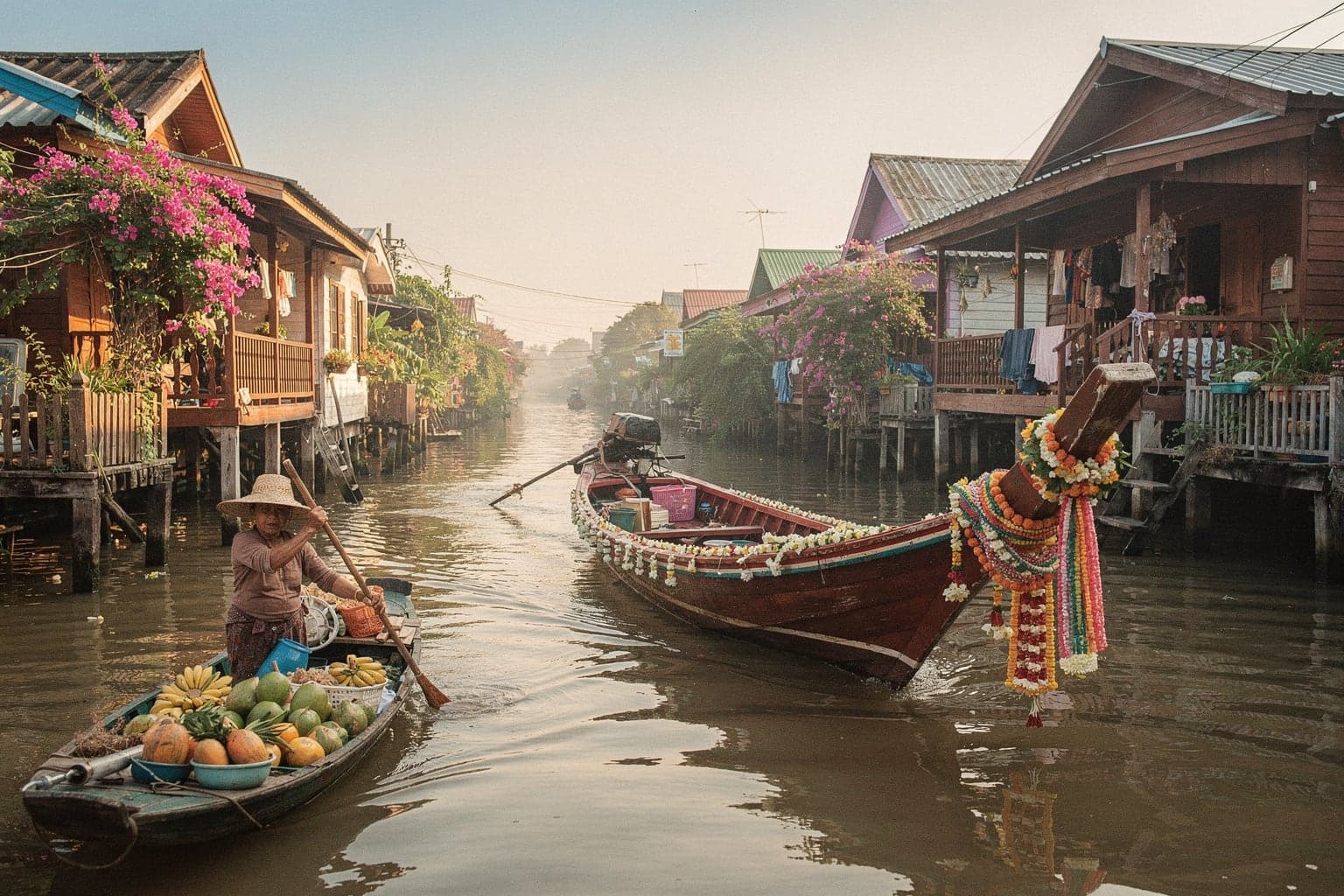
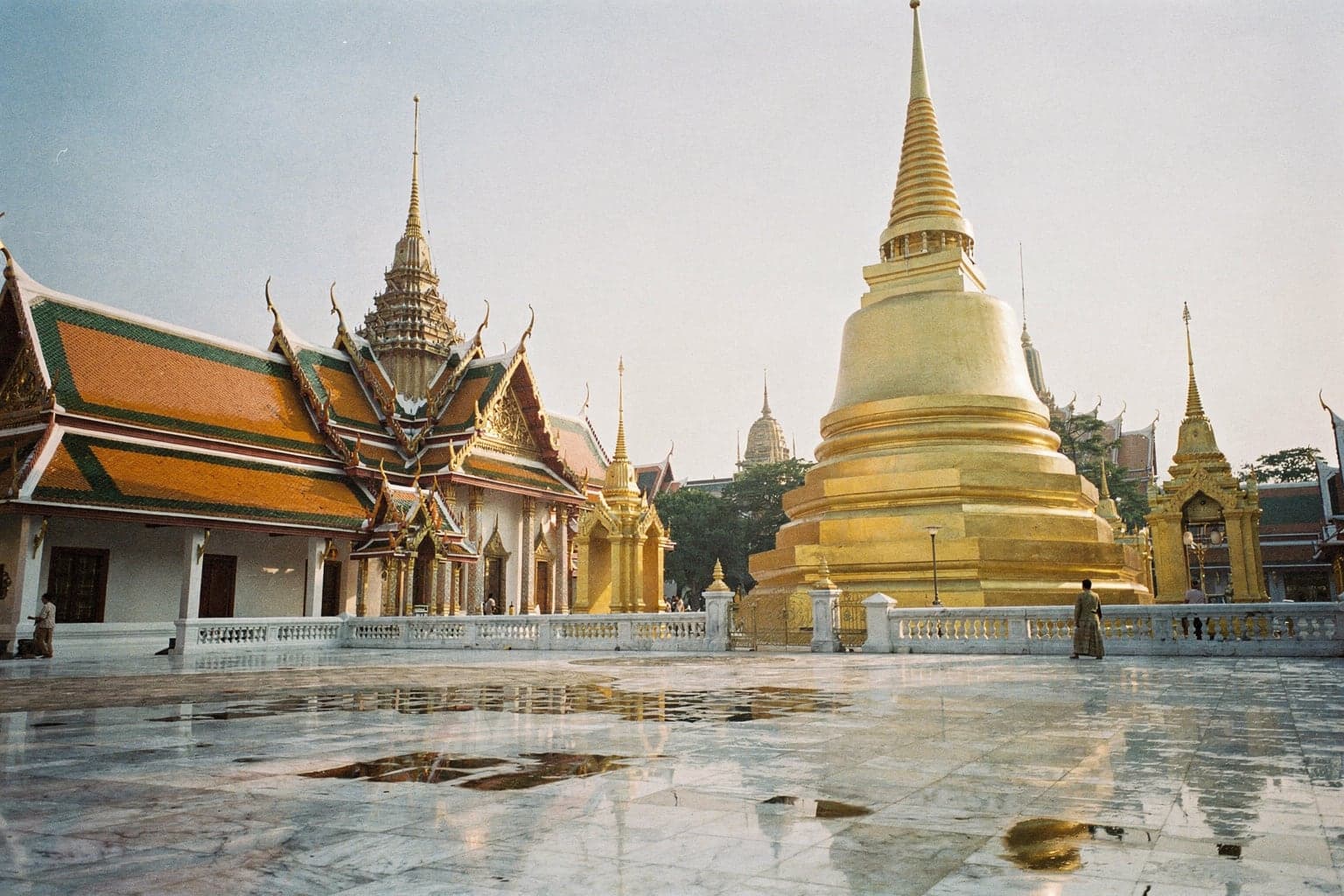
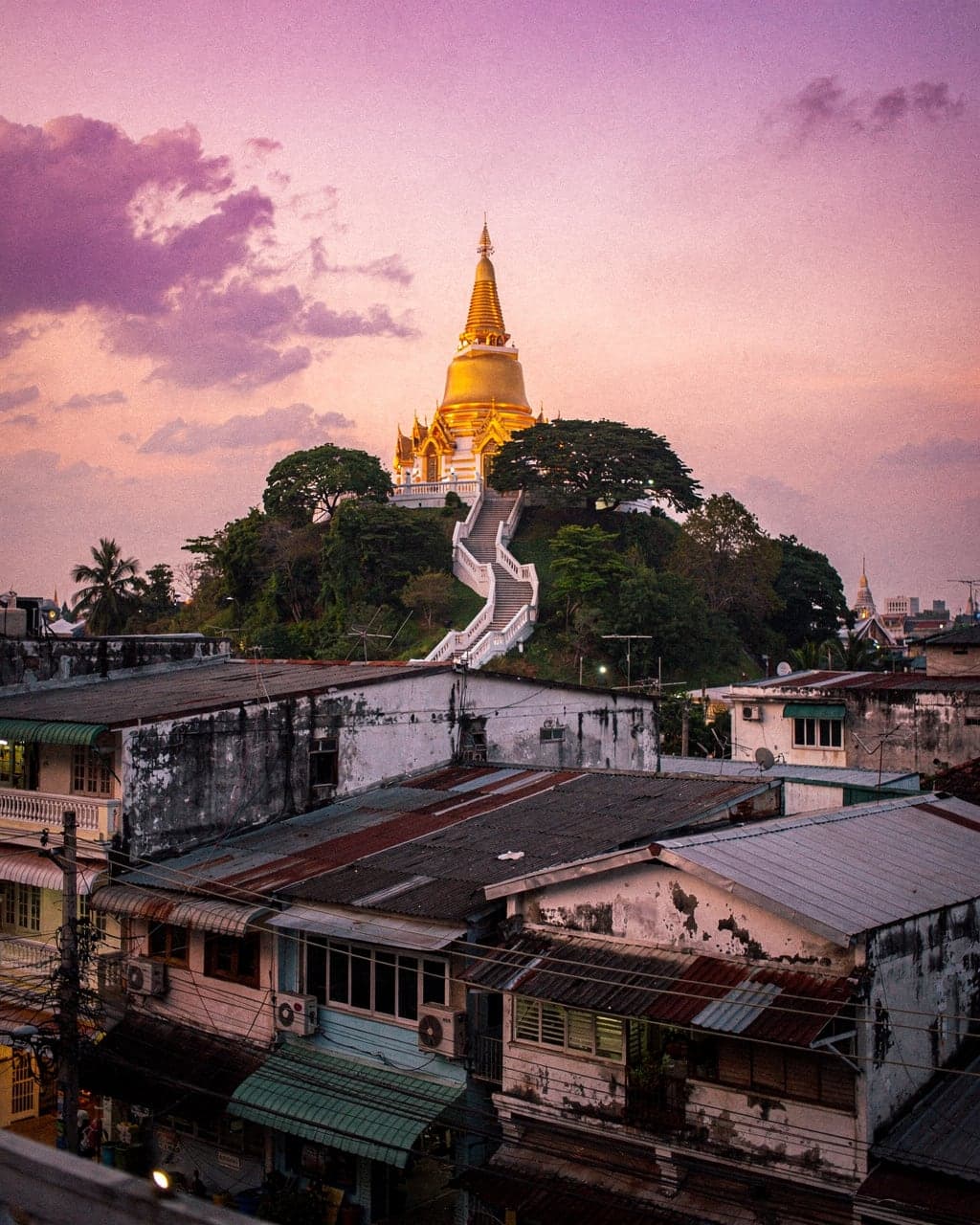
Illustration: Spike Travel (AI-assisted)
Questions people ask
Do I need a visa for Thailand in 2026?
Not for a holiday if you hold a US, UK, EU/Schengen, Canadian or Australian passport. Since 15 September 2026 you get 30 days visa-free for tourism, extendable once by up to 30 days at an immigration office. You must also fill in the free Thailand Digital Arrival Card within three days before arrival.
Is Bangkok safe for tourists?
Yes, by big-city standards. Violent crime against visitors is rare. The everyday risks are traffic, heat, scams that start with a helpful stranger, bag snatching and drink spiking. Avoid political demonstrations and check your government's advice for the Cambodian border and the far south if you are travelling beyond the capital.
How many days do I need in Bangkok?
Three full days covers the old town temples, Chinatown, the river and a market. Add a fourth for Ayutthaya or Bang Krachao, and a fifth if you want slow mornings in the heat.
Is cannabis legal in Bangkok?
Only on a prescription. Since June 2025, licensed shops may sell cannabis only to customers with a prescription from an authorised practitioner, smoking in public can bring a fine of up to 25,000 baht, and from 17 June 2026 taking cannabis in or out of the country carries penalties of up to 10 years in prison. A stricter medical-only bill was approved by the cabinet in September 2026 and is with parliament.
What should I wear to the Grand Palace?
Cover your shoulders and knees. Sleeveless tops, shorts, mini skirts, ripped or tight trousers and see-through clothing are refused at the gate. Loose trousers or a long skirt and a T-shirt with sleeves work, and you can buy cover-ups nearby if needed.
How do I get from Suvarnabhumi Airport to central Bangkok?
The Airport Rail Link reaches Phaya Thai, where you change to the BTS, in about 30 minutes for 45 baht. A public taxi from the official rank costs about 300 to 450 baht to Sukhumvit or Silom, including the 50-baht airport surcharge and tolls; Grab also picks up at the airport.
Sources
Where the facts on this page come from. Dates show when we last checked each one.
- Royal Thai Embassy Oslo, 30-day visa exemption list (as of 15 September 2026)accessed Oct 12, 2026
- Royal Thai Consulate-General Los Angeles, visa informationaccessed Oct 12, 2026
- Thailand Government Public Relations Department, Thailand revises visa policyaccessed Oct 12, 2026
- GOV.UK, Thailand travel advice, entry requirementsaccessed Oct 12, 2026
- Government of Canada, Thailand travel advice and advisoriesaccessed Oct 12, 2026
- Smartraveller, Thailand travel adviceaccessed Oct 12, 2026
- US Department of State, Thailand travel advisory (Level 1, 7 July 2026)accessed Oct 12, 2026
- Thailand Immigration Bureau, Thailand Digital Arrival Cardaccessed Oct 12, 2026
- VisasNews, THIM app officially launches after pilot phaseaccessed Oct 12, 2026
- US Embassy Bangkok, Thailand customs policy update on cannabis (8 July 2026)accessed Oct 12, 2026
- The Nation, Thai cabinet endorses draft cannabis control bill (23 September 2026)accessed Oct 12, 2026
- The Drinks Business, Thailand extends alcohol sales from 11am to midnight (2 June 2026)accessed Oct 12, 2026
- The Grand Palace, practical informationaccessed Oct 12, 2026
- Jim Thompson House, visitor informationaccessed Oct 12, 2026
- BTS Skytrain, single journey card faresaccessed Oct 12, 2026
- Thai PBS Verify, MRT Blue Line fares set at 17–44 baht from 3 July 2026accessed Oct 12, 2026
- The Thaiger, Bangkok rail fares capped at 45 baht from 1 January 2027accessed Oct 12, 2026
- Chao Phraya Express Boat, lines and faresaccessed Oct 12, 2026
- Wikipedia, Bangkok climate table (WMO 1991–2020 normals, Bangkok Metropolis station, via NOAA NCEI)accessed Oct 12, 2026
- Bank of Thailand, daily foreign exchange rates (33.52 baht per US dollar, 12 October 2026)accessed Oct 12, 2026
- Numbeo, cost of living in Bangkok (crowd-sourced; sanity check only)accessed Oct 12, 2026
If you like Bangkok
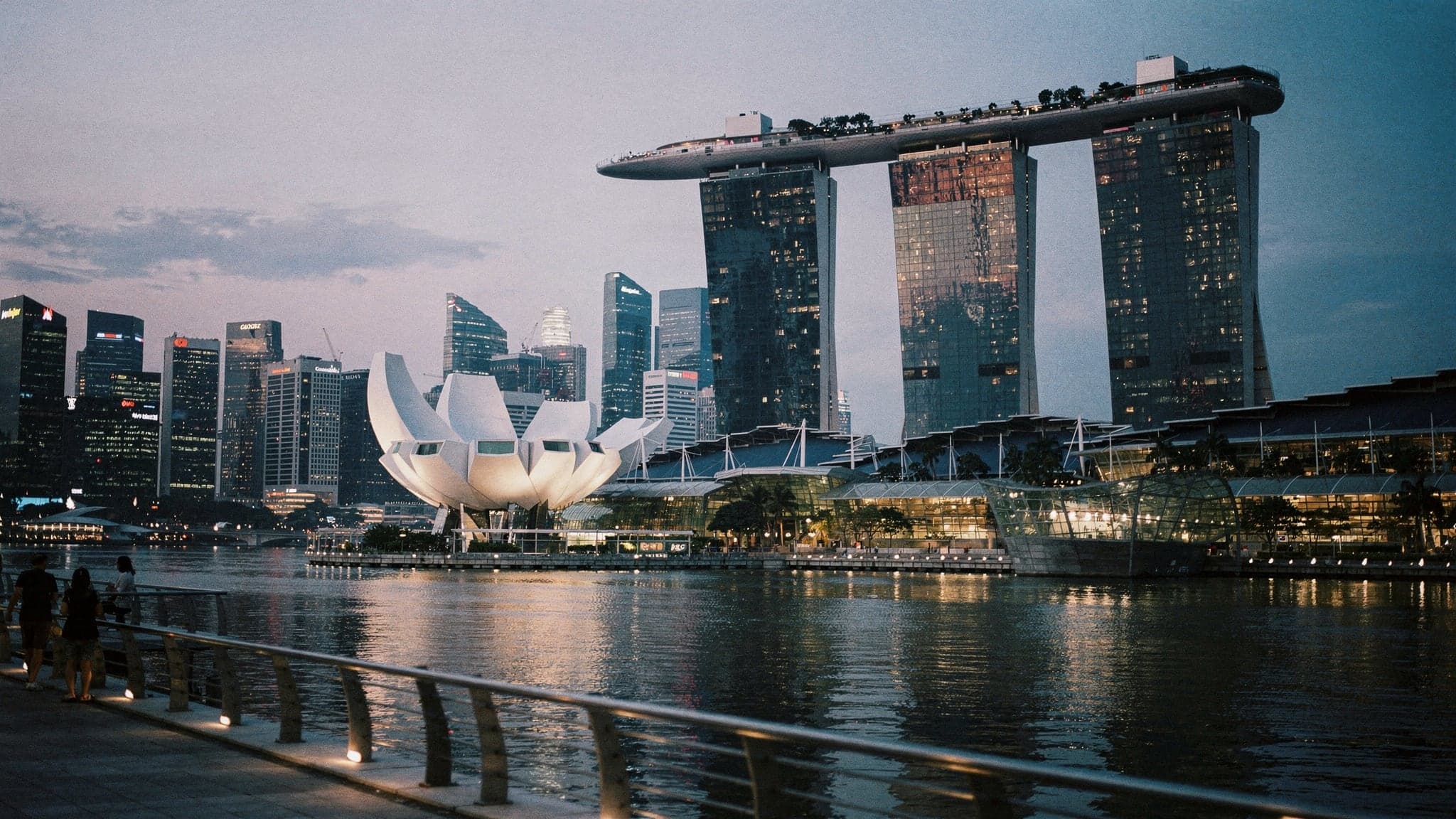
Singapore
Singapore
A city of rules, rainforest and hawker stalls, where dinner is cheap and the beer is not.
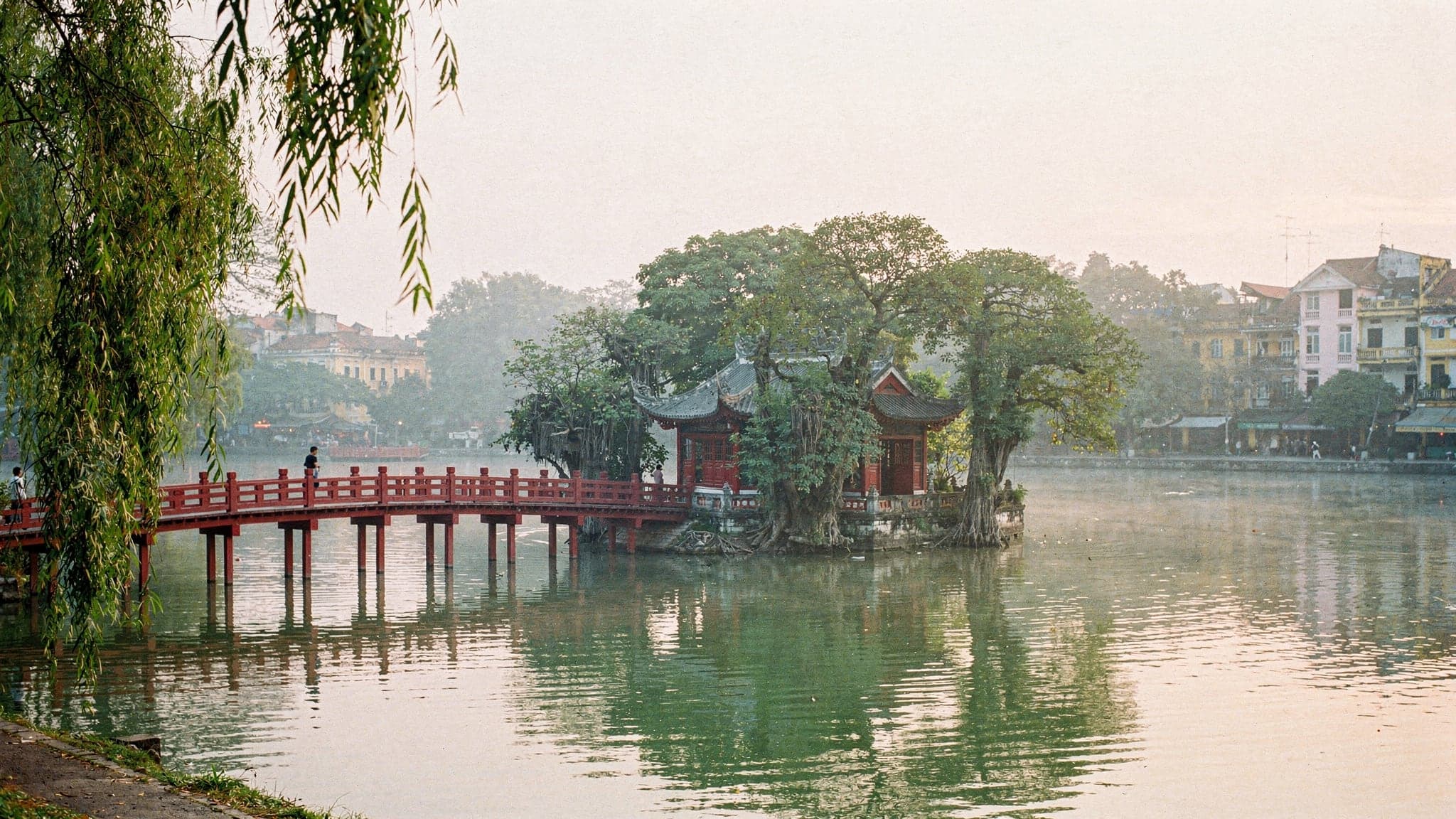
Vietnam
Hanoi
A thousand-year-old capital that still eats breakfast on the pavement.
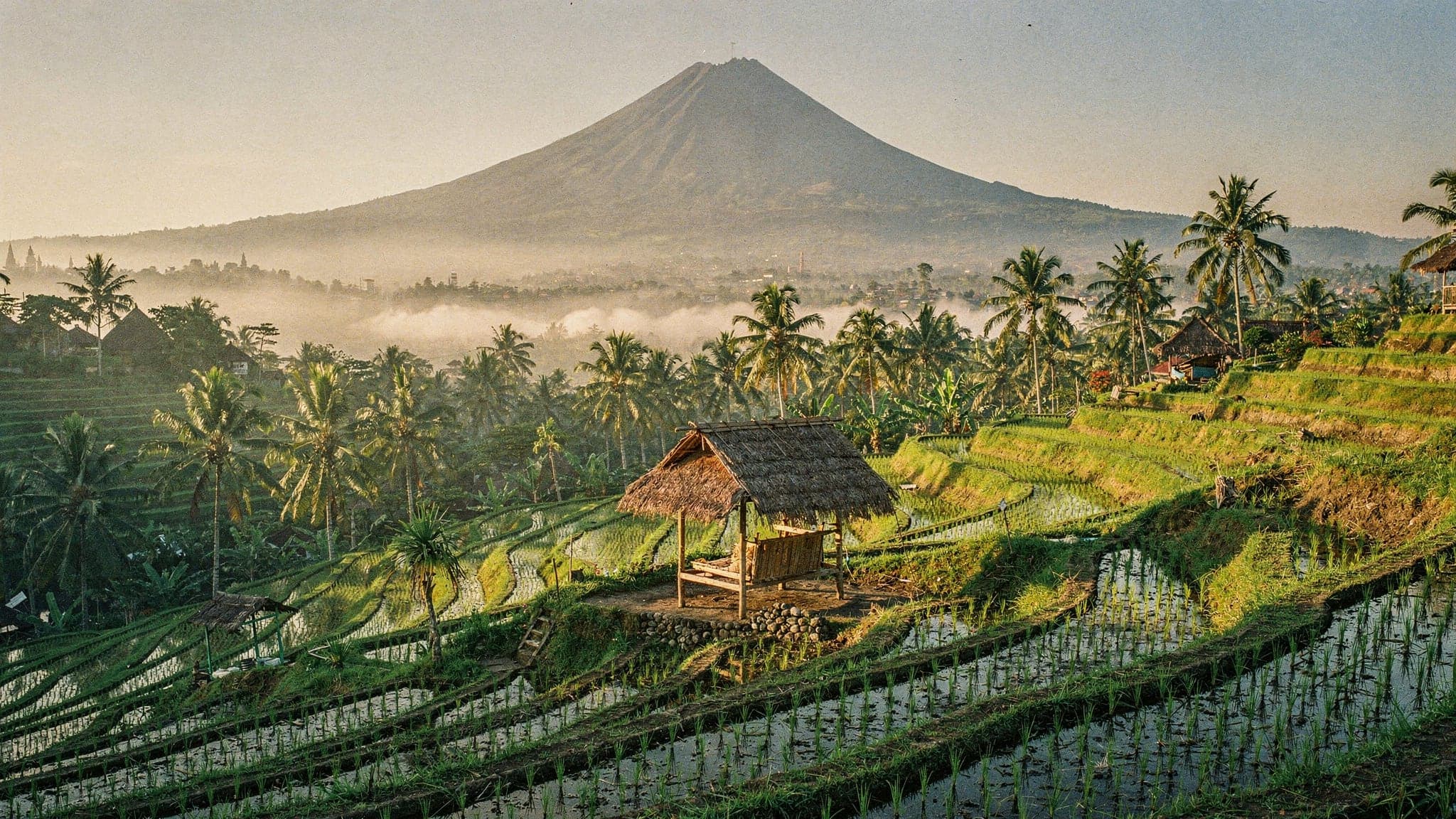
Indonesia
Bali
Offerings on every doorstep, surf below the cliffs, and an island that runs on its own Hindu calendar.
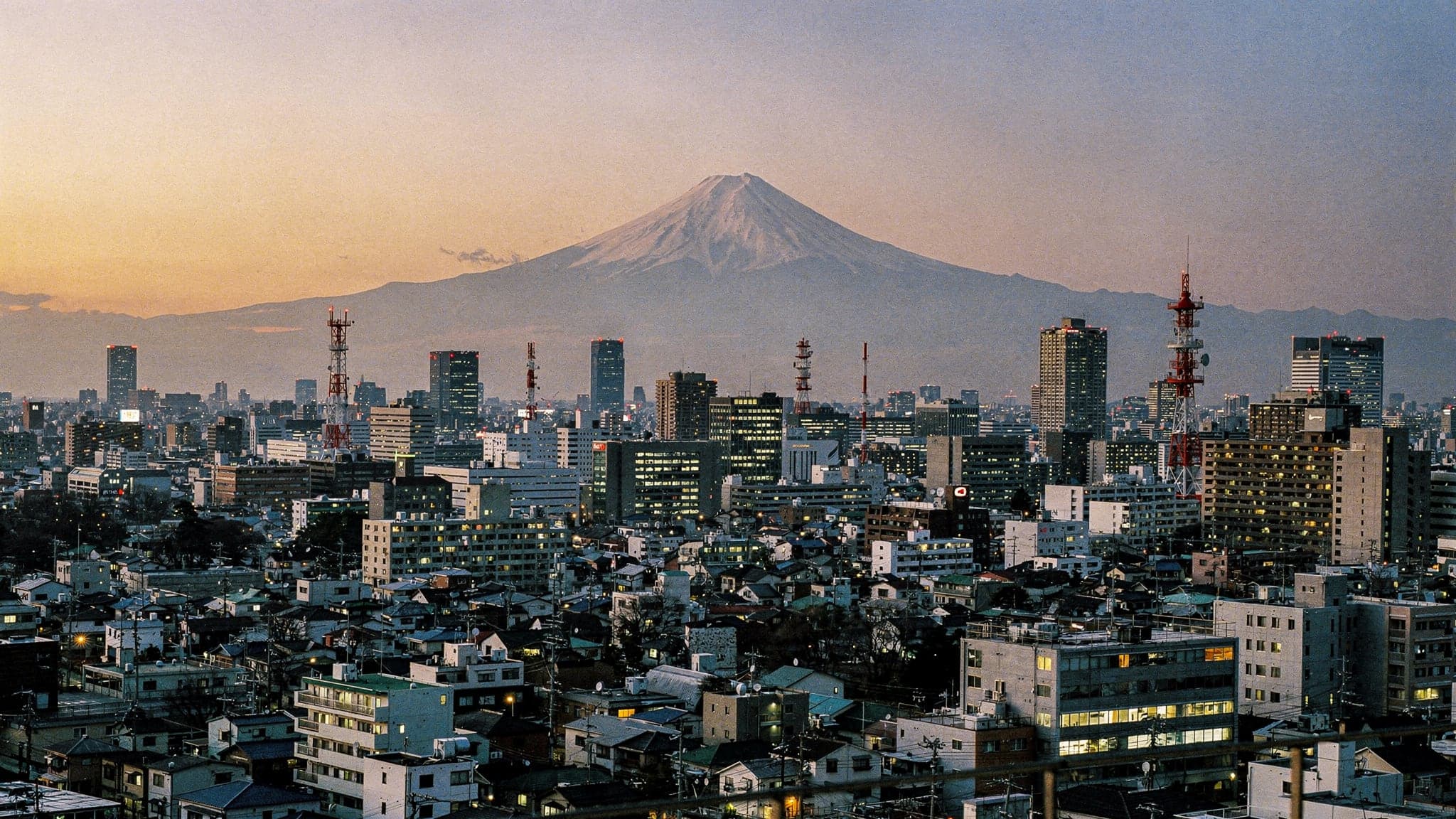
Japan
Tokyo
Fourteen million people, trains that leave on time, and dinner at a counter older than your grandparents.
Book Bangkok
These links go to the booking sites we would use ourselves. Nothing here is currently sponsored.
Fast facts
- Currency
- Thai baht (THB)
- Languages
- Thai
- Plugs
- Type A, B, C, F, O, 230 V, 50 Hz
- Time zone
- Bangkok (GMT+7)
- Tap water
- Drink bottled or filtered
- Tipping
- Not expected. Round up taxi fares, leave 20 to 50 baht after a massage, and check restaurant bills for a 10% service charge before adding more.
- Driving
- On the left
- Emergency
- 191 police, 1669 ambulance, 199 fire, 1155 tourist police
- Dialing code
- +66
- Safety
- 4/5
When to go
Best: Nov–Dec.
Good for
- Culture & history5/5
- Food & drink5/5
- Nature & scenery2/5
- Adventure2/5
- Beaches1/5
- Nightlife5/5
- Romance3/5
- Family-friendly3/5
- Value for money5/5
- Big-city energy5/5
- Slow & restorative2/5
- Wildlife1/5